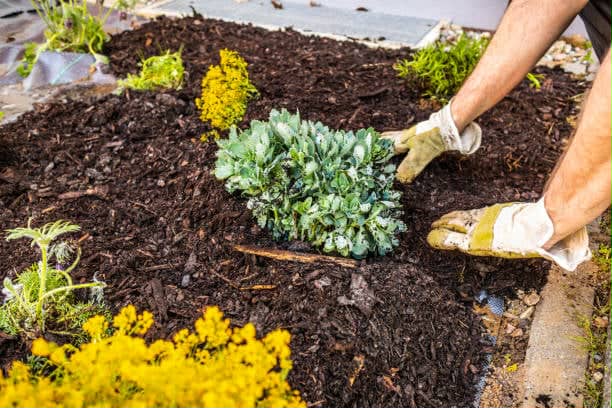

Choosing the right mulch can make a major difference in how your landscape looks, especially during July when garden beds, shrubs, and outdoor spaces are highly visible. Mulch is practical because it helps retain soil moisture, reduce weed growth, regulate soil temperature, and protect plant roots. But mulch also plays an important design role. The color you choose can either complement your home’s exterior or make the landscape feel disconnected.
For homeowners in Northeast Ohio, mulch color is often selected during summer refreshes, landscape cleanups, or garden bed maintenance. By July, mulch applied earlier in the season may have faded, shifted, or thinned out after rain, sun exposure, and regular yard activity. This makes mid-summer a good time to evaluate whether your mulch still supports the look of your home and landscape.
Why Mulch Color Matters
Mulch is one of the largest visual surfaces in many landscapes. It often surrounds foundation plantings, trees, walkways, patios, and garden beds. Because of this, mulch color can strongly influence curb appeal.
The right mulch color can:
- Highlight shrubs and flowers
- Create contrast against the home
- Make garden beds look clean and defined
- Tie together exterior materials
- Improve the overall appearance of the landscape
The wrong mulch color can compete with the house, clash with exterior tones, or draw attention away from plants and architectural details.
When selecting a mulch color for house exteriors, think of mulch as part of the home’s overall color palette rather than a separate landscaping decision.
Start With Your Home’s Exterior Color
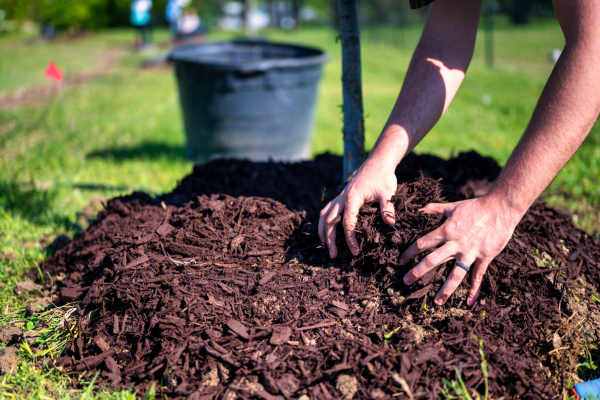
The first step is to look closely at your home’s main exterior color. Siding, brick, stone, stucco, and painted surfaces all influence which mulch color will look best.
For light-colored homes, darker mulch can create strong contrast and help garden beds stand out. For darker homes, medium or natural-toned mulch may create a softer and more balanced look. Homes with warm exterior colors may pair well with warmer mulch tones, while cooler exterior colors may look better with neutral or darker mulch.
Before choosing, stand across the street or at the end of the driveway and look at the home as a whole. Notice the siding, shutters, trim, roof, driveway, and existing landscape. Mulch should support that full picture.
Consider Brick And Stone Tones
Many homes in Northeast Ohio include brick, stone, or masonry accents. These materials often have multiple tones, including red, brown, tan, gray, cream, or charcoal. Since mulch sits close to the foundation, it should work well with these materials.
If your home has red brick, very red mulch may blend too closely or make the exterior feel overly warm. A darker brown or natural brown mulch may provide better separation. If your home has gray stone, black or dark brown mulch may create a clean contrast. If the stone includes tan or beige tones, natural brown mulch may help maintain a softer appearance.
The goal is not always to match the brick or stone exactly. In many cases, contrast is more visually effective than a perfect match.
Common Mulch Color Options
Most homeowners choose from a few common mulch color families: brown, black, red, and natural or undyed mulch. Each has a different visual effect.
Brown Mulch
Brown mulch is one of the most versatile options. It has a natural appearance and works well with many home styles. Brown mulch can complement brick, stone, wood tones, beige siding, tan siding, and traditional landscapes.
Brown mulch is often a good choice when you want garden beds to look neat without making the mulch the main focus. It tends to blend well with soil and plant material, creating a balanced and classic look.
If you are unsure which mulch color for house exteriors will work best, brown is often a safe and flexible option.
Black Mulch
Black mulch creates a bold, clean contrast. It can make green plants and colorful flowers stand out sharply. It also works well with modern homes, white siding, gray siding, black shutters, and contemporary landscape designs.
Because black mulch is visually strong, it can make garden beds look very defined. However, it may feel too intense for some homes, especially if the exterior already has many dark features. It can also draw more attention to the bed itself, which may or may not be the desired effect.
Black mulch is often chosen when homeowners want a crisp, polished appearance.
Red Mulch
Red mulch has a warm and noticeable appearance. It can work with some exterior styles, but it should be chosen carefully. Because red mulch is visually strong, it may compete with brick, flowers, or other landscape features.
For homes with red brick, red mulch may not provide enough contrast. For homes with neutral siding, red mulch may stand out more dramatically. This can be appealing in some landscapes, but it may not suit every property.
Before choosing red mulch, consider whether it complements the home or becomes the first thing people notice.
Natural Mulch
Natural mulch has a more organic look. It may be less uniform in color than dyed mulch, but it can work well in informal, wooded, or natural-style landscapes. Natural mulch can complement mature trees, native plantings, and relaxed garden beds.
This option is often useful when the goal is to make the landscape feel understated rather than highly polished.
Think About Plant Colors
Mulch should not only match the home. It should also support the plants in the beds.
Dark mulch can make bright flowers, ornamental grasses, and green shrubs stand out. Brown mulch creates a softer backdrop for plants. Red mulch can compete with flowers that have pink, red, orange, or purple tones.
If your garden beds include many flowering plants, choose a mulch color that allows those flowers to remain the focal point. If your beds are mostly green shrubs and evergreens, a stronger mulch color may create more visual interest.
Look At The Yard In July Light
July brings bright sun, longer days, and strong contrast in the landscape. A mulch color that looks subtle in early spring may appear more intense in summer light. Likewise, a faded mulch layer may make beds look tired by mid-summer.
When choosing a mulch color in July, look at your yard at different times of day. Morning light, midday sun, and evening shade can change how mulch appears next to your home.
This is especially important for dark mulch, which can look very bold in direct sunlight, and red mulch, which may appear more vibrant in bright conditions.
When To Refresh Mulch In July
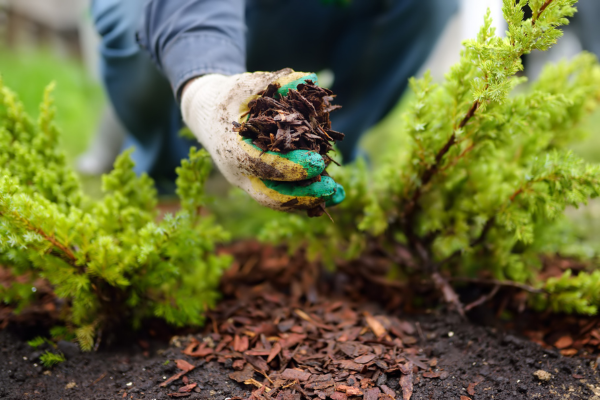
July can be a good time to refresh mulch if beds look faded, thin, or uneven. Summer storms may move mulch out of place, and regular exposure to sun can affect its appearance.
You may want to refresh mulch if:
- Soil is showing through
- Weeds are appearing more often
- Mulch has washed away from slopes or edges
- Beds look faded or unfinished
Refreshing mulch can improve both appearance and plant protection during the rest of the summer.
Choosing Mulch Color For House
For the best result, choose a mulch color that complements your house, highlights your plants, and supports the appearance of your garden beds throughout the summer. If you want help selecting and maintaining the right mulch for your property, Doskoch Lawn and Care Landscaping Services can help keep your landscape clean, attractive, and well cared for this July.
10 FAQs
1. Why Does Mulch Color Matter For A Home’s Exterior?
Mulch color matters because it affects curb appeal and helps garden beds look clean, defined, and coordinated with the home’s exterior.
2. How Do I Choose The Best Mulch Color For My House?
Choose a mulch color that complements your siding, brick, stone, trim, roof tones, plants, and overall landscape style.
3. What Mulch Color Works Best With Light-Colored Homes?
Darker mulch can create strong contrast against light-colored homes and help garden beds stand out.
4. What Mulch Color Works Best With Darker Homes?
Medium or natural-toned mulch can create a softer, more balanced look for darker home exteriors.
5. Is Brown Mulch A Good Choice?
Yes. Brown mulch is versatile, natural-looking, and works well with many home styles, including brick, stone, beige siding, and traditional landscapes.
6. When Should I Choose Black Mulch?
Black mulch works well when you want a bold, clean contrast. It often pairs nicely with modern homes, white siding, gray siding, and dark exterior accents.
7. Should I Use Red Mulch Around A Brick Home?
Red mulch should be chosen carefully around brick homes because it may blend too closely with red brick or compete with other exterior colors.
8. What Is Natural Mulch Best For?
Natural mulch works well for informal, wooded, or relaxed landscapes where homeowners want a more organic and understated appearance.
9. Can Mulch Color Affect How Plants Look?
Yes. Dark mulch can make green plants and bright flowers stand out, while brown mulch creates a softer backdrop. Red mulch may compete with certain flower colors.
10. When Should Mulch Be Refreshed In July?
Mulch may need refreshing in July if it looks faded, thin, uneven, washed away, or if soil is showing through and weeds are appearing more often.

Nic Doskoch is the owner of Doskoch Lawn Care & Landscaping Services LLC, founded in 2018 and based in Bay Village, Ohio. Serving Northeast Ohio, Nic and his team specialize in a full range of landscaping and property maintenance services, including lawn care, landscape design, hardscaping, mulching, sod installation, and snow plowing. Known for quality craftsmanship and exceptional customer service, Nic has built a trusted reputation by transforming outdoor spaces with attention to detail and a commitment to client satisfaction.