
A sprinkler system can make regular watering more manageable, but problems are not always obvious when they first develop. A system may still turn on while certain areas receive too little water, individual heads perform poorly, or entire zones fail to operate. Recognizing these warning signs can help homeowners determine when sprinkler repair or a professional system evaluation may be appropriate. Irrigation also works alongside broader lawn and landscaping services, since watering, drainage, soil conditions, and routine lawn care all affect the landscape.
October is also a useful time for Northeast Ohio homeowners to evaluate how their lawns and irrigation systems performed during the growing season. The following signs can help distinguish possible sprinkler problems from other lawn concerns.
1. Dry Spots Appear Despite Regular Watering
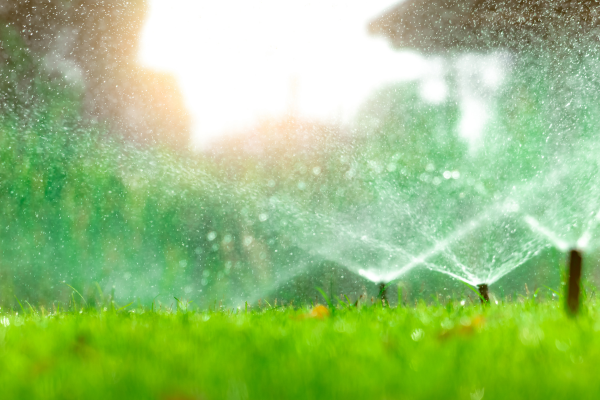
Dry or discolored patches can be one of the first indications that an irrigation system is not providing even coverage.
If most of the lawn receives water while one section consistently remains dry, inspect how sprinklers are operating in that area. A blocked, damaged, misaligned, or poorly performing sprinkler head may prevent water from reaching the intended location.
However, dry grass does not automatically mean sprinkler repair is necessary. Soil conditions, compaction, heat stress, disease, and other factors can also contribute to discoloration. Doskoch’s guide to why lawns turn brown in late summer explains several factors that homeowners should consider before assuming watering is the only cause.
2. Sprinkler Water Pressure Seems Too Low
Low pressure can affect how far sprinkler heads distribute water.
A noticeable change in spray distance or intensity may indicate a problem somewhere within the irrigation system. Instead of watering the intended area, a sprinkler may only reach a small section around the head.
Pressure problems can have different causes, so identifying the source is important before deciding what type of irrigation repair Ohio properties may require. If several heads or an entire zone suddenly show reduced performance, the problem may extend beyond one sprinkler head.
A professional evaluation can help determine whether the issue is related to an irrigation component or another part of the water-delivery system.
3. One or More Irrigation Zones Do Not Turn On
Many sprinkler systems divide a landscape into separate zones. When one zone stops operating while others continue normally, that difference is an important warning sign.
A zone that does not activate may leave a specific portion of the lawn or landscape without its usual watering.
Because irrigation systems can contain controllers, valves, wiring, and other components, diagnosing why a zone has stopped functioning may require more than simply checking the visible sprinkler heads.
Homeowners searching for sprinkler repair near me because a zone has stopped working should be prepared to describe which areas operate normally and which do not. That information can make the system easier to evaluate.
4. Water Is Spraying in the Wrong Direction
Sprinklers should distribute water toward the landscape areas they are intended to cover.
If water suddenly sprays onto a driveway, sidewalk, building, or another unintended surface, a sprinkler head may have shifted, become damaged, or require adjustment.
Misaligned spray also means part of the intended lawn or planting area may receive less water. Watching the system operate is one of the simplest ways to identify these coverage problems.
Regular observation matters because a sprinkler can technically be operating while still distributing water inefficiently.
5. Water Pools Around a Sprinkler Head
Standing water or unusually saturated soil around a sprinkler head deserves attention.
Pooling may indicate that water is escaping or accumulating faster than the surrounding soil can absorb it. However, drainage and soil conditions can also cause water to remain in certain parts of a yard.
That distinction is important when considering sprinkler repair. Homeowners should avoid assuming that every wet spot is automatically an irrigation leak.
Doskoch’s discussion of yard grading in Ohio explains how slope and drainage influence where water travels and collects around a property.
6. A Sprinkler Head Does Not Rise or Retract Correctly
Pop-up sprinkler heads are designed to rise when their zone operates and return when watering stops.
If a head remains down while surrounding sprinklers are operating, does not rise completely, or remains extended afterward, it may need closer inspection.
Grass, soil, or debris around the sprinkler may sometimes interfere with movement. Physical damage can also affect operation.
Before seeking irrigation repair Ohio homeowners can observe whether the problem is isolated to one head or appears across several sprinklers. The pattern may provide useful information about the nature of the issue.
7. Sprinkler Coverage Has Become Uneven
An irrigation system that once watered evenly may perform differently as the landscape changes.
Plants grow, shrubs expand, and landscape edges can change over time. These changes may interfere with spray patterns even when the sprinkler components themselves still operate.
Uneven coverage therefore does not always mean something is broken. Sometimes the system and the current landscape simply no longer work together as originally intended.
Doskoch’s late summer lawn care guide recommends monitoring actual watering needs and lawn conditions rather than relying exclusively on a fixed schedule. The same observation can help identify changing irrigation coverage.
8. Sprinkler Heads Show Visible Damage
Visible physical damage is another reason to investigate a sprinkler problem.
Cracked, tilted, loose, or broken components may interfere with normal water distribution. Damage may also become noticeable when water escapes differently from surrounding heads.
Homeowners should observe the system while it operates rather than evaluating sprinkler heads only when they are off. Differences in spray patterns are often easier to recognize during operation.
If a component is visibly damaged and no longer functions normally, professional sprinkler repair may be appropriate.
9. The System Turns On at Unexpected Times
Not every irrigation problem occurs outside in the lawn. The controller and watering schedule also influence how the system operates.
If sprinklers begin running at unexpected times, run more frequently than intended, or do not follow the expected schedule, reviewing controller settings is a logical first step.
Seasonal schedule changes, power interruptions, or programming changes may affect operation. If basic settings appear correct but irregular operation continues, further evaluation may be needed.
For homeowners searching for sprinkler repair near me, noting when unexpected operation occurs can provide useful information when describing the problem.
10. Some Areas Are Consistently Too Wet
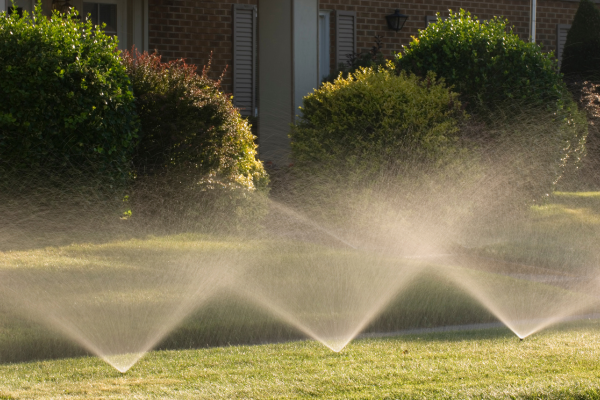
Just as persistent dry areas can indicate uneven irrigation, sections that remain unusually wet may deserve investigation.
Overwatering can occur when coverage overlaps excessively, schedules run longer than necessary, or a component does not operate correctly. Drainage problems can create similar symptoms.
That is why irrigation repair Ohio homeowners consider should begin with identifying the actual cause rather than assuming that every wet area requires a sprinkler component to be replaced.
Looking at irrigation, drainage, rainfall, and soil conditions together provides a more complete picture.
Why Routine Observation Matters
Homeowners do not need to wait until a sprinkler stops working completely to pay attention to system performance.
Occasionally watching each zone operate can reveal changes in spray direction, pressure, coverage, and sprinkler-head operation. It also allows homeowners to compare irrigation performance with conditions in the lawn.
Consistent observation is especially useful because lawn problems can have overlapping symptoms. A dry patch may relate to irrigation, but it may also involve soil or environmental stress. A wet area could indicate excess irrigation or poor drainage.
Identifying patterns helps determine whether sprinkler repair should be considered or whether another landscape issue deserves attention.
What Should You Check Before Calling for Sprinkler Repair?
Before searching for sprinkler repair near me, homeowners can gather basic information without attempting complicated repairs.
Run the system and note which zones work, which areas appear dry or overly wet, whether individual heads behave differently, and whether controller settings match the intended schedule. Avoid digging into underground components or performing electrical work without appropriate knowledge.
This basic inspection does not replace professional diagnosis. It simply provides clearer information about what the system is doing.
Sprinkler Problems and October Lawn Care
By October, Northeast Ohio lawns are transitioning away from summer conditions. Irrigation needs can change as temperatures, rainfall, and plant growth change.
This makes fall a useful time to review irrigation performance and document concerns discovered during the growing season. If a system showed low pressure, failed zones, damaged heads, or uneven coverage, those observations can help determine whether irrigation repair Ohio property owners may need before the system returns to regular use.
Homeowners should also remember that irrigation is only one part of lawn health. Appropriate watering works together with mowing, soil conditions, drainage, seasonal maintenance, and other lawn-care practices.
If sprinkler problems have affected the condition of your lawn or landscape, Doskoch Lawn Care & Landscaping Services can help with your broader property-care needs. Explore Doskoch’s lawn and landscaping services or contact the team to discuss your Northeast Ohio property. Call 216-516-2668.
Frequently Asked Questions
1. What are the most common signs that a sprinkler system needs repair?
Common warning signs include dry spots, low water pressure, sprinkler heads spraying in the wrong direction, zones that do not turn on, visible sprinkler damage, unexpected watering times, and areas that remain unusually wet. These symptoms may indicate an irrigation problem, but drainage, soil, or lawn conditions can sometimes create similar signs.
2. Why is one sprinkler zone not turning on?
A sprinkler zone that does not activate may have a problem involving the controller, valve, wiring, water supply, or another system component. Because several issues can cause the same symptom, homeowners should avoid assuming the cause without an inspection. Comparing the nonworking zone with the rest of the system can provide useful information.
3. What causes low sprinkler water pressure?
Low sprinkler pressure can be associated with several possible problems, including irrigation components, leaks, water-supply conditions, or issues affecting a particular zone. If several sprinkler heads suddenly have weaker spray patterns or reduced reach, the system may need closer evaluation to identify the underlying cause.
4. Do dry spots always mean I need sprinkler repair?
No, dry spots do not always mean a sprinkler system needs repair. Uneven irrigation coverage may contribute to dry grass, but soil compaction, heat stress, drainage, turf health, and environmental conditions can also affect lawn appearance. Homeowners should observe sprinkler coverage and consider other lawn conditions before drawing conclusions.
5. Why is water pooling around my sprinkler heads?
Pooling water may result from a sprinkler issue, excessive watering, soil conditions, or poor drainage. If standing water repeatedly appears near one sprinkler head while the system is operating, that area may deserve closer inspection. Identifying whether the cause is irrigation-related or drainage-related is important before deciding on a repair.
6. Why are my sprinklers spraying onto the driveway or sidewalk?
Sprinklers may spray onto hard surfaces when a head becomes misaligned, damaged, tilted, or affected by changes in the surrounding landscape. Incorrect spray direction can reduce the amount of water reaching the intended lawn or planting area, making it useful to watch each irrigation zone while it operates.
7. Can landscaping changes affect sprinkler coverage?
Yes, landscape changes can affect how irrigation water reaches the property. Growing shrubs, taller plants, changes to planting beds, or new landscape features may block or redirect sprinkler spray. Uneven coverage does not always mean a mechanical problem; sometimes the irrigation layout no longer matches the current landscape.
8. Why does my sprinkler system run at unexpected times?
Unexpected sprinkler operation may be related to controller settings, programming changes, power interruptions, or another system issue. Reviewing the controller schedule is a reasonable first step. If settings appear correct but the system continues running at unintended times, further evaluation may be appropriate.
9. Should I check my sprinkler system before winter in Ohio?
Yes, fall can be a useful time to review how the system performed during the growing season. Homeowners can document low pressure, failed zones, damaged heads, or uneven coverage so those concerns are easier to address. Specific cold-weather preparation depends on the irrigation system and property.
10. When should I look for sprinkler repair near me?
Homeowners may want professional evaluation when sprinkler problems persist, involve multiple zones, include visible damage, or cannot be explained by basic controller settings or landscape conditions. Searching for sprinkler repair near me may also be appropriate when diagnosing the system would require work beyond simple observation.

Nic Doskoch is the owner of Doskoch Lawn Care & Landscaping Services LLC, founded in 2018 and based in Avon, Ohio. Serving Northeast Ohio, Nic and his team specialize in a full range of landscaping and property maintenance services, including lawn care, landscape design, hardscaping, mulching, sod installation, and snow plowing. Known for quality craftsmanship and exceptional customer service, Nic has built a trusted reputation by transforming outdoor spaces with attention to detail and a commitment to client satisfaction.