

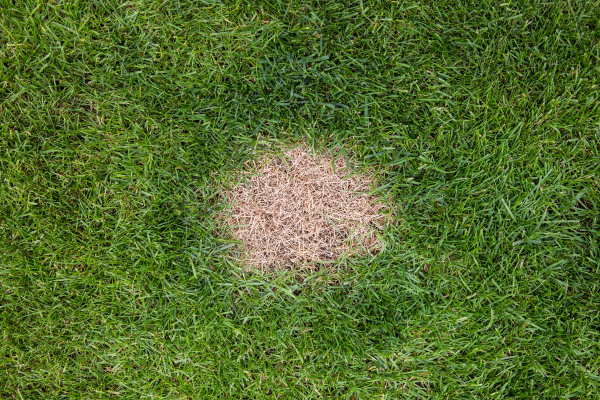
As August arrives in Northeast Ohio, many homeowners begin to notice changes in their lawns. Areas that looked lush and green earlier in the season may now appear dry, dull, or brown. While a brown lawn can be concerning, it does not always mean the grass is dead. In many cases, late summer conditions naturally place stress on cool-season grasses, causing them to slow their growth or temporarily lose their green color.
Understanding why your brown lawn Ohio summer conditions develop is the first step toward determining the best approach for recovery. Brown grass can result from several factors, including heat, drought, soil conditions, mowing practices, or drainage problems. Identifying the underlying cause is important because different issues require different solutions.
August is an ideal time to evaluate your lawn, monitor its condition, and prepare for the fall growing season when cool-season grasses begin actively growing again.
Why Cool-Season Lawns Change During Summer
Most residential lawns throughout Ohio are made up of cool-season grasses, including:
- Kentucky bluegrass
- Perennial ryegrass
- Turf-type tall fescue
- Fine fescue
These grasses grow most actively during the cooler temperatures of spring and fall. During the hottest part of summer, growth naturally slows as the grass focuses on conserving energy.
This slowdown often causes lawns to appear less vibrant than they did earlier in the year. In many cases, this seasonal response is normal and temporary.
Heat Stress
One of the most common reasons for a brown lawn Ohio summer is prolonged heat.
Extended periods of high temperatures place significant stress on cool-season grasses. Rather than producing new growth, the grass shifts its energy toward survival.
Signs of heat stress may include:
- Browning grass blades
- Slower growth
- Wilted appearance
- Areas that recover slowly after being walked on
Heat stress often becomes more noticeable during August after several weeks of warm weather.
Drought Stress
Even when temperatures are not extreme, limited rainfall can affect lawn color.
Grass requires moisture to support healthy growth. During dry periods, lawns may begin to brown as moisture levels decline.
Common signs of drought stress include:
- Grass turning gray-green before browning
- Footprints remaining visible after walking
- Dry, brittle grass blades
- Soil that feels dry several inches below the surface
A lawn experiencing drought stress is not always dead. Many cool-season grasses enter a temporary dormant state until more favorable conditions return.
Inconsistent Watering
Watering practices can also influence lawn color.
Both underwatering and overwatering may contribute to stress.
Deep, infrequent watering generally encourages stronger root systems than frequent shallow watering. Shallow watering can encourage roots to remain close to the surface, making grass more vulnerable during hot weather.
Overwatering can create other challenges by reducing oxygen in the soil and encouraging certain lawn diseases.
Monitoring soil moisture rather than watering on a fixed schedule often produces better results.
Soil Compaction
Clay-heavy soils are common throughout Northeast Ohio. Over time, these soils can become compacted from foot traffic, mowing equipment, and repeated rainfall.
Compacted soil limits:
- Air movement
- Water infiltration
- Root development
- Nutrient availability
Grass growing in compacted areas often struggles during periods of summer stress because roots cannot access the resources they need efficiently.
Thin, brown patches that repeatedly appear in the same areas may indicate compaction rather than simply a lack of water.
Poor Drainage
Brown grass is not always caused by dry conditions.
Poor drainage can also affect lawn health.
If water remains in one area too long, grass roots may not receive enough oxygen. Saturated soil can weaken turf and create conditions where grass begins declining.
After heavy summer storms, inspect your yard for:
- Standing water
- Slow-draining areas
- Soil erosion
- Water collecting near the foundation
These observations may help identify drainage concerns affecting lawn performance.
Improper Mowing Practices
How you mow during summer has a direct impact on lawn health.
One common mistake is cutting the grass too short.
Short grass:
- Exposes soil to more sunlight
- Increases moisture loss
- Places additional stress on grass plants
- Encourages weed growth
Cool-season grasses generally perform well when maintained between about 2.5 and 4 inches, depending on the grass species and current conditions.
It is also important to follow the one-third rule, which means removing no more than one-third of the grass blade during a single mowing. Sharp mower blades are equally important. Dull blades tear grass rather than cutting it cleanly, leaving ragged edges that may appear brown.
Lawn Diseases
Warm temperatures combined with humidity can sometimes contribute to lawn diseases during late summer.
While different diseases present differently, homeowners should watch for:
- Circular brown patches
- Matted grass
- Discolored blades
- Areas that continue expanding
Because several lawn issues produce similar symptoms, proper identification is important before attempting treatment.
Insect Activity
Certain insects can also contribute to brown patches in lawns. When insects feed on grass roots or blades, turf may weaken and lose color. If brown areas appear suddenly or grass lifts easily from the soil, further evaluation may be appropriate to determine whether insects are contributing to the problem. Since several lawn conditions can resemble insect damage, accurate diagnosis is important.
Weed Competition
Thin lawns often become more susceptible to weeds.
Weeds compete with turf for:
- Water
- Nutrients
- Sunlight
- Growing space
As weeds increase, healthy grass may struggle even more during summer stress. Maintaining dense turf through proper lawn care practices helps reduce available space for weeds over time.
Heavy Foot Traffic
Summer is often when lawns receive the greatest amount of use.
Repeated foot traffic can:
- Wear down grass
- Compact soil
- Create thin pathways
- Increase stress during hot weather
If certain areas consistently brown while receiving frequent use, traffic may be contributing to the problem.
Rotating activity areas or using designated walkways may help reduce wear.
How To Evaluate A Brown Lawn
Not all brown lawns require the same response.
When evaluating your lawn, consider:
- Is the entire lawn brown or only certain sections?
- Did browning appear after hot weather?
- Does water remain on the surface after rain?
- Is the soil compacted?
- Are weeds increasing?
- Are there signs of disease or insect activity?
Answering these questions helps narrow down possible causes.
What Homeowners Can Do In August
August is an excellent time to observe lawn conditions before the fall growing season begins.
Helpful steps include:
Continue Proper Mowing
Maintain recommended mowing height and avoid removing too much grass at once.
Water Wisely
Monitor rainfall and soil moisture rather than watering automatically.
Inspect Drainage
Observe how water moves through the yard after storms.
Watch For Compaction
Identify hard or thin areas that may benefit from future lawn improvements.
Monitor Lawn Health
Look for changing patterns rather than isolated brown blades. August is more about evaluation and preparation than major lawn renovation.
Preparing For Fall Lawn Recovery
Late summer provides an opportunity to prepare for one of the most active periods for cool-season grass.
As temperatures begin cooling, homeowners can evaluate whether their lawn may benefit from seasonal improvements such as:
- Overseeding
- Lawn repair
- Aeration where appropriate
- Continued mowing
- Proper watering
Preparation during August helps support healthier turf as growing conditions improve.
Common Mistakes To Avoid
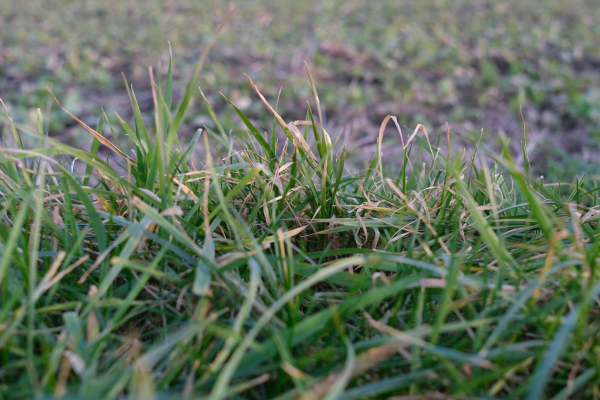
Several mistakes can make brown lawns worse during late summer.
Avoid:
- Cutting grass too short
- Watering too frequently
- Ignoring drainage issues
- Walking excessively on stressed turf
- Assuming every brown lawn is dead
- Attempting major lawn renovation during periods of extreme heat
Allowing the lawn to recover naturally while preparing for fall often produces better long-term results.
Why Consistent Lawn Care Matters
Healthy lawns are built through consistent maintenance throughout the growing season. Regular mowing, proper watering, monitoring drainage, maintaining healthy soil, and addressing issues early all contribute to stronger turf. Rather than reacting only when the lawn turns brown, ongoing observation helps homeowners identify small concerns before they become larger problems.
No Brown Lawns In Late Summer
If your lawn is struggling after a long Ohio summer, Doskoch Lawn Care & Landscaping Services can help evaluate your property’s needs and provide professional lawn care and lawn recovery services tailored to Northeast Ohio conditions. Call us at 216-516-2668!
10 Frequently Asked Questions (FAQs)
1. Why Does My Lawn Turn Brown In Late Summer?
Cool-season grasses often become stressed during late summer due to heat, drought, soil conditions, and other environmental factors, causing the lawn to lose its green color temporarily.
2. Does A Brown Lawn Mean My Grass Is Dead?
Not necessarily. In many cases, cool-season grasses enter a temporary dormant state during periods of heat or drought and may recover when growing conditions improve.
3. What Causes A Brown Lawn During An Ohio Summer?
Common causes include heat stress, drought stress, inconsistent watering, soil compaction, poor drainage, improper mowing, lawn diseases, insect activity, weed competition, and heavy foot traffic.
4. How Does Heat Stress Affect My Lawn?
Extended periods of high temperatures can slow grass growth and cause the lawn to brown as cool-season grasses focus on surviving rather than producing new growth.
5. Can Improper Watering Cause Brown Grass?
Yes. Both underwatering and overwatering can stress the lawn. Deep, infrequent watering generally encourages healthier root systems than frequent shallow watering.
6. Why Is Soil Compaction A Problem For Lawns?
Compacted soil limits air, water, and nutrient movement while restricting root growth, making grass more susceptible to summer stress.
7. How Can I Tell If Poor Drainage Is Affecting My Lawn?
Signs include standing water after rainfall, slow-draining areas, soil erosion, and sections of grass that remain wet or decline over time.
8. Should I Continue Mowing If My Lawn Turns Brown?
Yes. Continue mowing as needed while maintaining the proper height and following the one-third rule. Avoid cutting the grass too short, which can increase stress.
9. What Should I Do If My Lawn Turns Brown In August?
Evaluate the lawn for signs of heat stress, drought, drainage problems, soil compaction, weeds, insects, or disease. Continue proper mowing and watering practices while preparing for fall lawn care.
10. How Can I Help My Lawn Recover After Summer?
Maintaining consistent lawn care, monitoring watering needs, addressing soil and drainage issues, and preparing for seasonal practices such as overseeding or lawn repair during the fall can help support recovery.

Nic Doskoch is the owner of Doskoch Lawn Care & Landscaping Services LLC, founded in 2018 and based in Avon, Ohio. Serving Northeast Ohio, Nic and his team specialize in a full range of landscaping and property maintenance services, including lawn care, landscape design, hardscaping, mulching, sod installation, and snow plowing. Known for quality craftsmanship and exceptional customer service, Nic has built a trusted reputation by transforming outdoor spaces with attention to detail and a commitment to client satisfaction.

