
Managing a commercial property requires attention to many outdoor systems, and irrigation can have a direct impact on lawns, planting beds, and the overall landscape. A system that operates without routine inspection may develop coverage problems, damaged components, or scheduling issues that are not immediately obvious. For property managers evaluating commercial irrigation maintenance Ohio properties may require, understanding what routine maintenance generally includes can help them coordinate irrigation with broader commercial landscaping services and seasonal property needs.
Rather than thinking about irrigation only when something stops working, property managers can treat it as one part of ongoing landscape management. Regular observation and seasonal adjustments can help identify concerns before they become more disruptive to landscape care.
What Does Commercial Irrigation Maintenance Include?
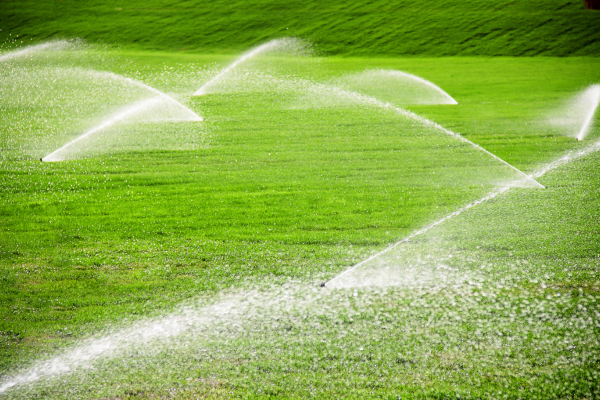
A commercial irrigation maintenance Ohio plan generally focuses on inspecting how an irrigation system operates and identifying components or settings that need attention.
Depending on the system and property, maintenance may involve checking:
- Sprinkler heads and visible components
- Water distribution and coverage
- Irrigation zones
- Controller settings and schedules
- Signs of leaks or damaged components
- Areas receiving too much or too little water
- Seasonal operating needs
The exact maintenance requirements depend on the irrigation system, landscape layout, plant material, and site conditions.
Why Routine Inspection Matters
Irrigation problems are not always dramatic. A broken component may be obvious, but other issues can develop gradually.
A sprinkler head may no longer distribute water where intended. A landscape may change as plants grow. A watering schedule that was appropriate earlier in the season may no longer match current weather and plant needs.
Routine inspection gives property managers an opportunity to identify these changes rather than waiting for visible landscape stress or a significant system problem.
This preventive mindset fits within a broader approach to commercial landscape maintenance, where consistent attention is generally more useful than relying only on occasional visits after problems appear.
Checking Sprinkler Heads and Coverage
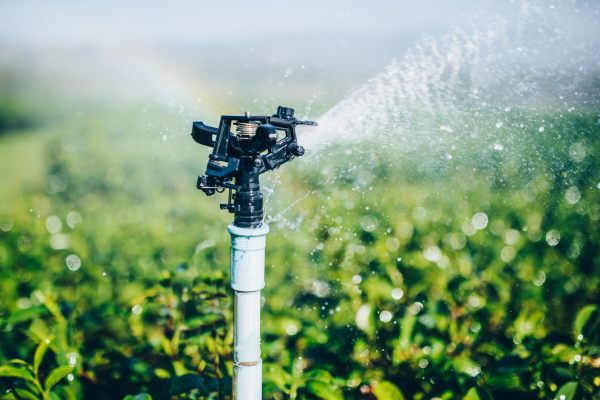
Sprinkler heads are among the most visible parts of many irrigation systems.
During an inspection, the system can be observed while operating to identify irregular spray patterns, blocked areas, damaged heads, or water reaching surfaces where irrigation is not intended.
Coverage is especially important on commercial properties because landscapes may contain multiple lawn sections, planting beds, walkways, buildings, and parking areas.
For commercial irrigation maintenance Ohio properties, evaluating actual coverage helps determine whether water is reaching the intended landscape areas rather than assuming the system is operating correctly simply because it turns on.
Reviewing Irrigation Zones
Commercial irrigation systems may divide a property into separate watering zones. These zones allow different parts of the landscape to operate independently.
That distinction matters because landscape areas do not always have identical watering needs. Sun exposure, soil conditions, slope, plant material, and drainage can differ across a property.
Reviewing how each zone operates can help identify sections that are not functioning as expected. It can also reveal whether landscape changes have affected the way irrigation reaches certain areas.
Adjusting Watering Schedules With the Seasons
An irrigation schedule should not necessarily remain unchanged throughout the entire growing season.
Temperature, rainfall, daylight, and plant needs change from spring through fall. Northeast Ohio may experience wet periods as well as stretches of warmer, drier weather.
Doskoch’s guidance on late summer lawn care in Northeast Ohio emphasizes monitoring actual lawn conditions rather than relying only on a fixed watering schedule.
For property managers, commercial irrigation maintenance Ohio planning should similarly account for changing site and weather conditions instead of treating irrigation settings as permanent.
Looking for Signs of Overwatering and Underwatering
Landscape appearance can provide useful information about irrigation performance.
Areas that remain unusually wet, dry faster than surrounding turf, or show noticeably different growth may warrant closer inspection. However, irrigation is not the only possible cause of landscape stress. Soil compaction, drainage, disease, shade, and other conditions may also affect turf and plants.
Doskoch’s discussion of why lawns turn brown in late summer explains why both overwatering and underwatering can contribute to lawn stress.
The goal of irrigation maintenance is therefore not simply to increase watering whenever grass looks dry. Site conditions should be considered before making adjustments.
Identifying Leaks and Damaged Components
Visible leaks, unusually wet areas, damaged sprinkler heads, and water appearing where it should not can indicate that an irrigation system needs attention.
Routine inspections can help property managers notice these conditions sooner.
For large commercial properties, documenting where concerns appear can also make it easier to coordinate maintenance and communicate what has been observed across different sections of the landscape.
Coordinating Irrigation With Landscape Maintenance
Irrigation should not be managed separately from the rest of the landscape.
Mowing, fertilization, plant growth, seasonal cleanup, and landscape changes can all affect how a property should be maintained. Doskoch’s annual property maintenance plans demonstrate how scheduled lawn and landscape care can be organized around changing seasonal needs.
For commercial irrigation maintenance Ohio properties, the same broader perspective is useful. Irrigation settings and coverage should reflect the landscape that exists today rather than conditions from an earlier season.
Why Property Changes Matter
Commercial landscapes are not static.
Shrubs grow larger. Planting beds may be redesigned. Turf areas may change. New landscape features can alter water movement or block sprinkler coverage.
After landscape changes, property managers should consider whether the irrigation layout still matches the property.
This is particularly important when new plant material is introduced. Doskoch’s information about landscape design and seasonal property care illustrates how plantings, lawn care, mulching, and cleanup are interconnected parts of landscape management.
Why Reactive Irrigation Management Can Be Limiting
Waiting until the landscape shows obvious stress or the irrigation system experiences a noticeable failure can make property management more difficult.
Reactive attention focuses on a problem after it has become visible. Routine maintenance instead creates opportunities to notice damaged components, coverage changes, or inappropriate scheduling during normal property care.
That does not mean every inspection will uncover a repair. The purpose is to understand how the system is functioning and address maintenance needs based on actual conditions.
For commercial irrigation maintenance Ohio property managers are evaluating, this distinction is important: routine service is primarily about observation, adjustment, and timely identification of concerns.
Preparing Irrigation for Seasonal Changes
October is an important transition period for Northeast Ohio landscapes.
As temperatures cool and plant growth slows, irrigation needs may differ from midsummer conditions. Property managers should evaluate whether watering schedules still reflect current landscape requirements.
Seasonal planning should also account for the irrigation system itself as colder weather approaches. Specific winter preparation depends on the type of system and its components, so property managers should follow appropriate procedures for their particular irrigation setup.
Keep Records of Irrigation Concerns
Property managers can benefit from documenting irrigation observations throughout the season.
Useful information may include:
- Locations of recurring wet or dry areas
- Zones with coverage concerns
- Visible component damage
- Landscape changes affecting irrigation
- Dates when significant adjustments were made
Keeping basic records can make recurring patterns easier to identify and provides useful context when landscape or irrigation professionals evaluate the property.
Connect Irrigation With the Overall Property Plan
The most effective approach to commercial irrigation maintenance Ohio properties may need is one that considers the entire landscape.
Irrigation affects turf and plants, but grading, soil, drainage, mowing, seasonal weather, and landscape design also influence how those areas perform. Looking at these factors together can help property managers avoid assuming that every lawn or plant problem is caused by watering alone.
Routine landscape management provides opportunities to observe those relationships throughout the growing season.
A More Proactive Approach to Commercial Landscape Care
Commercial property managers have many responsibilities, so scheduled landscape maintenance can provide a more organized approach than addressing every outdoor concern individually after it becomes noticeable. Doskoch confirms that it provides customized commercial landscaping maintenance for Northeast Ohio properties, including lawn maintenance, seasonal cleanups, bed maintenance, and other established landscape services.
For property managers researching commercial irrigation maintenance Ohio, the key takeaway is that irrigation should be observed routinely, adjusted according to actual conditions, and coordinated with the broader landscape rather than treated only as an emergency repair issue.
If your Northeast Ohio commercial property needs consistent landscape care, explore Doskoch Lawn Care & Landscaping Services’ commercial and property maintenance services or contact Doskoch to discuss your property’s needs. Call 216-516-2668 to learn more about commercial landscape maintenance.
Frequently Asked Questions
1. What does commercial irrigation maintenance usually include?
Commercial irrigation maintenance usually includes checking sprinkler heads, irrigation zones, controller settings, watering schedules, coverage, visible leaks, and signs that certain areas are receiving too much or too little water. The exact tasks can vary depending on the system, property layout, plant material, drainage, and seasonal conditions.
2. Why is routine irrigation maintenance better than waiting for a problem?
Routine maintenance can help identify small concerns before they become more disruptive to landscape care. Issues such as poor coverage, damaged components, or outdated watering schedules may not always be obvious right away, so regular inspection gives property managers a better view of how the system is functioning.
3. How often should a commercial irrigation system be checked?
The appropriate inspection frequency depends on the property, irrigation system, weather, and landscape conditions. In general, property managers should review irrigation performance periodically throughout the growing season and whenever they notice changes in coverage, unusual wet or dry areas, or landscape modifications.
4. What are signs that a commercial irrigation system may need attention?
Common signs include dry patches, overly wet areas, irregular spray patterns, water reaching pavement or structures, broken sprinkler heads, visible leaks, or irrigation zones that do not appear to operate correctly. These signs may indicate that the system should be inspected more closely.
5. Why should irrigation schedules change during the season?
Irrigation schedules may need to change because temperature, rainfall, daylight, and plant needs vary throughout the year. A schedule that worked well in midsummer may not be appropriate in spring or fall, so commercial irrigation maintenance Ohio property managers consider should account for current conditions.
6. Can overwatering damage a commercial landscape?
Yes, overwatering can contribute to poor growing conditions in lawns and planting areas. Excess moisture may affect soil conditions, drainage, and plant health. However, landscape stress can have multiple causes, so watering levels should be evaluated along with soil, grading, weather, and other site conditions.
7. How do landscape changes affect irrigation coverage?
Landscape changes can alter how water is distributed across a property. Growing shrubs, new planting beds, relocated features, or changes in turf areas may block or redirect sprinkler coverage. Irrigation systems should be reviewed after significant landscape changes to determine whether coverage still matches the property.
8. Why is drainage important when evaluating irrigation performance?
Drainage affects how water moves and remains within the landscape. If a property has poor drainage, irrigation may contribute to overly wet conditions even when the system itself is functioning properly. Evaluating irrigation together with grading and drainage helps provide a more complete understanding of landscape conditions.
9. What should property managers document about irrigation problems?
Property managers may benefit from recording recurring wet or dry areas, damaged components, coverage concerns, irrigation zone problems, and major scheduling adjustments. Keeping basic records can make patterns easier to identify and provide useful information during future inspections or landscape planning.
10. How does irrigation fit into a commercial landscape maintenance plan?
Irrigation works best when it is coordinated with the rest of the property’s landscape care. Lawn maintenance, plant growth, seasonal cleanup, drainage, and landscape changes can all influence watering needs. A broader maintenance plan helps property managers evaluate irrigation as part of the entire landscape rather than as a separate system.

Nic Doskoch is the owner of Doskoch Lawn Care & Landscaping Services LLC, founded in 2018 and based in Avon, Ohio. Serving Northeast Ohio, Nic and his team specialize in a full range of landscaping and property maintenance services, including lawn care, landscape design, hardscaping, mulching, sod installation, and snow plowing. Known for quality craftsmanship and exceptional customer service, Nic has built a trusted reputation by transforming outdoor spaces with attention to detail and a commitment to client satisfaction.