

A healthy, full lawn is one of the most noticeable features of a well-maintained property. However, even with regular mowing, watering, and seasonal maintenance, many Ohio lawns begin to thin over time. Summer heat, foot traffic, soil compaction, weeds, and changing weather conditions can all leave behind bare spots or areas of weak turf.
One of the most effective ways to improve lawn density is through overseeding. By introducing new grass seed into an existing lawn, homeowners can help fill thin areas, improve turf thickness, and encourage healthier growth. However, timing plays a major role in whether overseeding is successful.
For homeowners researching overseeding Ohio lawn practices, understanding when overseeding should be done—and why—is essential. While it may seem logical to spread seed whenever bare spots appear, choosing the proper season provides much better conditions for successful establishment.
August is an ideal time to begin planning for overseeding because it allows homeowners to evaluate lawn conditions and prepare for the upcoming fall growing season, which is generally considered the best time for overseeding cool-season grasses in Ohio.
What Is Overseeding?
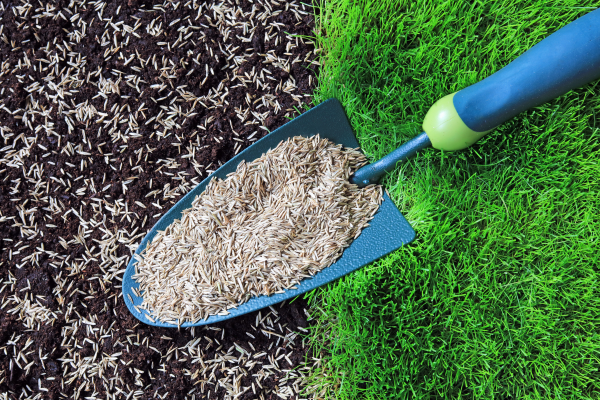
Overseeding is the process of spreading new grass seed over an existing lawn without removing the current turf. Rather than starting from scratch, overseeding helps increase grass density by filling in thin or damaged areas.
Unlike establishing a brand-new lawn, overseeding works with the existing grass to improve overall appearance and health.
Homeowners often choose overseeding to:
- Fill bare spots
- Improve lawn thickness
- Increase turf density
- Refresh aging lawns
- Improve overall appearance
When performed under favorable conditions, overseeding can help produce a fuller and more uniform lawn.
Why Ohio Lawns Become Thin
Many lawns gradually lose density over time. This is a normal part of lawn aging and seasonal stress.
Common causes include:
- Summer heat
- Heavy foot traffic
- Soil compaction
- Drought stress
- Weed competition
- Poor drainage
- Lawn diseases
- Insect activity
These factors may not completely destroy the lawn, but they often create areas where grass struggles to grow as vigorously as before. Overseeding helps address thinning by introducing new grass into these weakened areas.
Why Timing Matters
Timing is one of the most important factors in overseeding success. Grass seed requires favorable conditions for germination and early root development. If seed is applied during periods of excessive heat or severe competition from weeds, new seedlings may struggle to establish. The goal is to seed when conditions naturally favor cool-season grasses. For most Ohio lawns, this occurs as summer begins transitioning into fall.
Why Fall Is Typically The Best Time To Overseed
Cool-season grasses dominate residential lawns throughout Ohio. These grasses grow most actively during cooler temperatures.
Fall generally provides several advantages for overseeding:
- Warm soil temperatures
- Cooler daytime air temperatures
- More consistent moisture
- Reduced summer heat stress
- Lower weed pressure than spring
These conditions allow young grass plants to establish roots before winter dormancy. Because of these advantages, many homeowners begin planning their overseeding projects during August.
Why August Is The Right Time To Prepare
Although major overseeding is often completed later in the season, August provides valuable preparation time.
During August, homeowners can:
- Evaluate thin lawn areas
- Identify drainage concerns
- Observe compacted soil
- Plan future aeration
- Monitor weed activity
- Review overall lawn health
Waiting until temperatures begin cooling without preparing beforehand may reduce the effectiveness of later lawn improvements.
Signs Your Lawn May Benefit From Overseeding
Not every lawn requires overseeding every year. However, several signs indicate that it may be beneficial.
Thin Grass
If large sections of the lawn appear sparse, overseeding can help improve density.
Bare Spots
Areas with exposed soil often benefit from reseeding after the underlying cause has been addressed.
Uneven Growth
If certain sections grow much thicker than others, overseeding may help create a more uniform appearance.
Increased Weed Growth
Thin lawns often leave open space where weeds can establish. A thicker lawn naturally competes more effectively with weeds over time.
Aging Turf
Older lawns sometimes lose density gradually. Overseeding can help introduce new growth while preserving the existing lawn.
The Importance Of Soil Preparation
Grass seed performs best when it has good contact with the soil. Before overseeding, homeowners should evaluate whether preparation is needed.
Common preparation steps may include:
- Removing excess debris
- Mowing appropriately
- Addressing heavy thatch if present
- Improving seed-to-soil contact
Proper preparation often contributes significantly to successful germination.
Why Soil Compaction Matters
Many Northeast Ohio lawns contain clay-heavy soil, which can become compacted over time.
Compacted soil reduces:
- Air movement
- Water infiltration
- Root development
- Nutrient availability
If soil remains compacted, new seedlings may struggle to establish strong root systems.
Recognizing compacted areas during August helps homeowners prepare for seasonal lawn improvements.
Aeration And Overseeding
Aeration and overseeding are often discussed together because they complement one another.
Core aeration creates openings in the soil that allow:
- Better air circulation
- Improved water movement
- Enhanced seed-to-soil contact
- Better root development
When appropriate, aeration may improve the conditions needed for overseeding success.
Choosing The Right Grass Seed
Not all grass seed performs equally under Ohio growing conditions.
Most residential lawns in Ohio contain cool-season grasses such as:
- Kentucky bluegrass
- Perennial ryegrass
- Turf-type tall fescue
- Fine fescue
Choosing seed that matches your existing lawn and growing conditions helps create a more consistent appearance.
Sun exposure, soil moisture, and intended lawn use should also be considered.
Watering After Overseeding
Newly seeded lawns require consistent moisture during germination.
The goal is to keep the seedbed moist without creating saturated conditions.
After seedlings become established, watering practices gradually shift toward deeper, less frequent irrigation that supports stronger root systems.
Proper watering is one of the most important factors in successful overseeding.
Continue Proper Mowing Practices
Existing lawns should continue receiving proper mowing during the overseeding season.
Following the one-third rule helps reduce stress on established turf while supporting healthy overall lawn conditions.
Sharp mower blades also help create cleaner cuts and reduce unnecessary damage.
Weed Management Before Overseeding
Heavy weed populations compete with new seedlings for sunlight, water, and nutrients. Before overseeding, it is helpful to identify weed problems and determine whether they should be addressed first. Creating healthier turf conditions allows new grass to establish more successfully.
Common Mistakes To Avoid
Several mistakes can reduce overseeding success.
These include:
- Overseeding during extreme summer heat
- Ignoring soil compaction
- Failing to prepare the soil
- Allowing seed to dry out
- Choosing inappropriate grass varieties
- Neglecting lawn maintenance after seeding
Avoiding these issues improves the chances of developing a thicker lawn.
Benefits Of A Thicker Lawn
Over time, successful overseeding can provide several advantages.
A denser lawn may:
- Improve overall appearance
- Reduce open areas where weeds establish
- Create more uniform turf
- Better withstand normal wear
- Enhance curb appeal
Healthy turf also supports more consistent lawn performance throughout the growing season.
The Importance Of Evaluating Your Lawn First
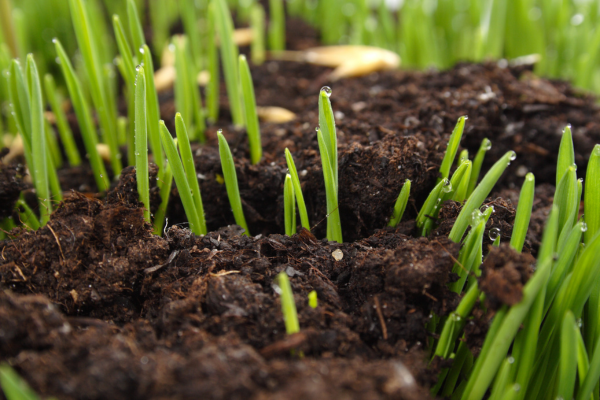
One of the most valuable steps homeowners can take during August is simply evaluating the lawn.
Walk the property and observe:
- Thin sections
- Bare spots
- Drainage issues
- Compacted areas
- Weed activity
- Areas receiving heavy traffic
These observations help determine whether overseeding may be appropriate and what preparation should occur before fall.
Why Overseeding Is Part Of Long-Term Lawn Care
Overseeding should not be viewed as a one-time solution.
Instead, it is one component of an overall lawn care strategy that also includes:
- Proper mowing
- Appropriate watering
- Weed management
- Healthy soil conditions
- Seasonal maintenance
Together, these practices help maintain stronger lawns over time.
Overseeding Ohio Lawns
Understanding overseeding Ohio lawn timing can help homeowners make better decisions about improving lawn density and long-term turf health. If your lawn has developed thin areas or could benefit from seasonal lawn repair, Doskoch Lawn Care & Landscaping Services can provide professional overseeding and lawn care solutions tailored to Northeast Ohio properties. Call us at 216-516-2668!
10 Frequently Asked Questions (FAQs)
1. What Is Overseeding?
Overseeding is the process of spreading new grass seed over an existing lawn to increase turf density, fill thin areas, and improve the lawn’s overall appearance without removing the existing grass.
2. When Is The Best Time To Overseed An Ohio Lawn?
For most Ohio lawns with cool-season grasses, fall is generally the best time to overseed because cooler temperatures, warm soil, and reduced weed pressure create favorable growing conditions.
3. Why Should I Start Planning Overseeding In August?
August is an ideal time to evaluate your lawn, identify thin or damaged areas, check for soil compaction and drainage issues, and prepare for overseeding during the upcoming fall season.
4. What Are The Signs That My Lawn Needs Overseeding?
Common signs include thin grass, bare spots, uneven growth, aging turf, and increased weed growth caused by sparse grass coverage.
5. Why Is Timing So Important For Overseeding?
Proper timing gives new grass seed the best chance to germinate and establish healthy roots before winter. Overseeding during extreme summer heat can reduce success.
6. Should I Aerate Before Overseeding?
Aeration is often beneficial because it improves seed-to-soil contact, increases airflow and water movement, and creates better conditions for root development.
7. What Types Of Grass Are Commonly Used For Overseeding In Ohio?
Many Ohio lawns contain cool-season grasses such as Kentucky bluegrass, perennial ryegrass, turf-type tall fescue, and fine fescue.
8. How Should I Water After Overseeding?
Newly seeded areas should be kept consistently moist during germination without becoming saturated. Once the grass becomes established, watering can transition to deeper, less frequent irrigation.
9. What Mistakes Should I Avoid When Overseeding?
Common mistakes include overseeding during hot weather, skipping soil preparation, ignoring soil compaction, allowing seed to dry out, choosing the wrong grass variety, and neglecting lawn care after seeding.
10. What Are The Benefits Of Overseeding An Ohio Lawn?
Overseeding can improve lawn density, fill bare spots, create a more uniform appearance, reduce open areas where weeds establish, and contribute to healthier turf over time.

Nic Doskoch is the owner of Doskoch Lawn Care & Landscaping Services LLC, founded in 2018 and based in Avon, Ohio. Serving Northeast Ohio, Nic and his team specialize in a full range of landscaping and property maintenance services, including lawn care, landscape design, hardscaping, mulching, sod installation, and snow plowing. Known for quality craftsmanship and exceptional customer service, Nic has built a trusted reputation by transforming outdoor spaces with attention to detail and a commitment to client satisfaction.

