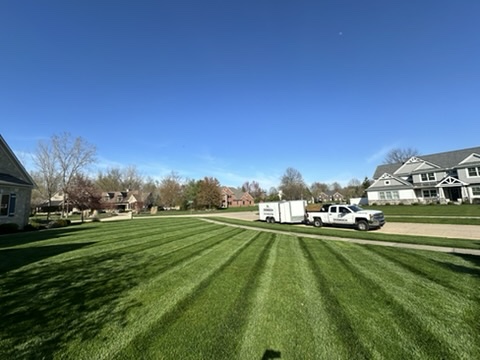

Maintaining a healthy lawn in Northeast Ohio requires more than just turning on the mower when the grass looks tall. In communities like Bay Village, Westlake, Avon Lake, and surrounding areas, seasonal weather patterns, clay-heavy soils, and cool-season grass types all influence how often your lawn should be cut.
One of the most common questions homeowners ask is: Should I mow weekly or bi-weekly? The answer depends on grass growth rate, weather conditions, mowing height, and your overall lawn care goals. Understanding the differences between weekly and bi-weekly mowing schedules can help you make the best decision for your property.
Understanding Grass Types In Northeast Ohio
Most residential lawns in Northeast Ohio are planted with cool-season grasses such as:
- Kentucky bluegrass
- Perennial ryegrass
- Turf-type tall fescue
- Fine fescue
Cool-season grasses grow most actively in spring and fall when temperatures are moderate. Growth slows during hot summer periods and becomes dormant during winter.
Because growth rates change throughout the year, mowing frequency often needs to be adjusted seasonally.
Why Mowing Frequency Matters
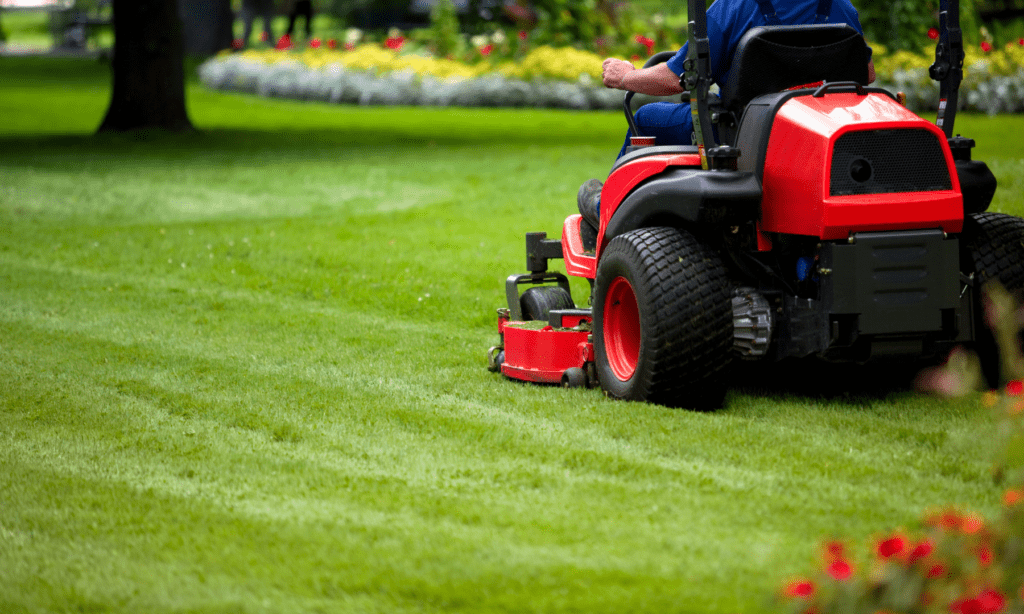
Mowing is not just about appearance. It directly affects turf health. Grass blades are responsible for photosynthesis, which fuels root development. Cutting too much at once can stress the plant and weaken the root system.
A general guideline for healthy mowing is the “one-third rule.” This means you should not remove more than one-third of the grass blade height in a single mowing. Removing more than that can:
- Shock the grass
- Reduce root growth
- Increase vulnerability to disease
- Create uneven color
Mowing frequency should support this rule based on how quickly your lawn is growing.
Weekly Mowing: When It Makes Sense
During peak growing seasons — typically late spring and early fall in Northeast Ohio — weekly mowing is often beneficial.
Benefits Of Weekly Mowing
1. Maintains Consistent Height
When grass grows quickly, weekly mowing helps maintain a stable height without removing excessive blade length.
2. Promotes Thicker Turf
Frequent mowing encourages lateral growth, helping grass spread and fill in thin areas naturally.
3. Improves Appearance
Regular mowing creates a clean, even look and enhances striping patterns.
4. Prevents Clumping
If grass grows too tall between cuts, clippings may clump and smother sections of the lawn. Weekly mowing reduces this risk.
5. Supports Weed Suppression
Dense, consistently maintained turf can help limit weed intrusion by reducing available space and sunlight at soil level.
Bi-Weekly Mowing: When It May Be Appropriate
Bi-weekly mowing can be suitable during slower growth periods, particularly in:
- Mid-to-late summer when heat slows cool-season grass growth
- Early spring before rapid growth begins
- Late fall as growth tapers off
If your lawn is not growing rapidly and you can still follow the one-third rule, bi-weekly mowing may be sufficient.
Seasonal Growth Patterns In Northeast Ohio
Spring
Spring often brings rapid growth due to warming soil and increased rainfall. Weekly mowing is commonly needed during this time to keep up with growth.
Summer
During hot, dry stretches, cool-season grasses slow their growth. If rainfall is limited and growth decreases, mowing every two weeks may be adequate. However, lawns receiving irrigation may still require weekly service.
Fall
Fall is another active growth period. Cooler temperatures and improved moisture levels often trigger renewed growth. Weekly mowing frequently resumes during this time.
Winter
Grass becomes dormant. Mowing stops once growth ceases.
The Risks Of Mowing Too Infrequently
Allowing grass to grow too tall between mowings can create several problems:
Scalping
If you wait too long and must remove a large portion of the blade, the lawn may appear uneven or patchy.
Increased Disease Risk
Long, dense grass can retain moisture longer, potentially increasing fungal issues during humid conditions.
Weaker Roots
Sudden heavy cutting can temporarily reduce the plant’s ability to produce energy through photosynthesis.
Uneven Lawn Appearance
Tall grass tends to bend and lay over, creating inconsistent cutting results.
Clay Soil And Compaction Considerations
Northeast Ohio lawns often contain clay-heavy soil. Clay retains moisture but can compact easily.
If soil is compacted:
- Grass roots may grow shallow
- Growth may be uneven
- Certain areas may grow slower
In compacted zones, mowing frequency alone will not solve thinning issues. Aeration can help improve airflow and root expansion, supporting more uniform growth.
Mulching Vs Bagging Clippings
When mowing weekly, mulching clippings back into the lawn can return nutrients to the soil, provided clippings are not excessive.
If grass has grown too long between cuts, bagging may be necessary to prevent clumping.
Regular weekly mowing typically produces smaller clippings that decompose more easily.
Signs Your Lawn Needs Weekly Mowing
You may benefit from weekly mowing if:
- Grass grows more than one-third of its height within seven days
- Clippings appear long or heavy
- The lawn looks uneven before the next scheduled cut
- Growth is rapid in spring or fall
Signs Bi-Weekly May Be Enough
Bi-weekly mowing may be sufficient if:
- Growth has slowed significantly
- Weather is hot and dry
- The lawn remains within recommended height between cuts
- Clippings are minimal
Professional Lawn Mowing Services In Northeast Ohio
Professional mowing services understand how regional climate and soil conditions affect growth. A consistent service provider can:
- Monitor seasonal growth changes
- Adjust mowing height appropriately
- Maintain sharp blades for clean cuts
- Identify early signs of stress or disease
- Provide additional services such as aeration or overseeding
Doskoch Lawn Care& Landscaping Services provides mowing and lawn care services tailored to Northeast Ohio properties. By evaluating your lawn’s condition, sun exposure, soil structure, and growth rate, a customized schedule can be developed that supports long-term turf health.
Weekly Vs Bi-Weekly Mowing: What’s Best For Your Lawn?

For most Northeast Ohio lawns:
- Weekly mowing is often ideal during peak spring and fall growth.
- Bi-weekly mowing may work during slower summer periods if growth allows adherence to the one-third rule.
Rather than choosing one schedule year-round, many lawns benefit from seasonal adjustments.
A healthy mowing strategy supports:
- Stronger roots
- Denser turf
- Improved drought tolerance
- Better overall appearance
Weekly Vs Bi-Weekly Mowing
If you’re unsure which schedule best fits your property, Doskoch Lawn Care & Landscaping Services can help evaluate your lawn and recommend a mowing plan designed for Northeast Ohio conditions. Visit our website to learn more about professional lawn care services and seasonal maintenance programs.
Common FAQs About Mowing
1. How Do I Know If I Should Mow Weekly Or Bi-Weekly In Northeast Ohio?
The right schedule depends on how fast your grass is growing, weather conditions, and whether you can follow the one-third rule. During peak growth in spring and fall, weekly mowing is often best. During slower summer growth, bi-weekly mowing may be sufficient.
2. What Is The One-Third Rule In Lawn Mowing?
The one-third rule means you should not remove more than one-third of the grass blade height in a single mowing. Cutting more than that can stress the grass and weaken the root system.
3. Why Does Grass Grow Faster In Spring And Fall?
Cool-season grasses common in Northeast Ohio grow most actively when temperatures are moderate and moisture is available, which typically occurs in spring and fall.
4. Is Bi-Weekly Mowing Ever Recommended?
Yes. Bi-weekly mowing may be appropriate during slower growth periods, such as mid-to-late summer, early spring before rapid growth begins, or late fall when growth tapers off.
5. What Problems Can Occur If I Wait Too Long Between Mowing?
Mowing too infrequently can lead to scalping, uneven appearance, clumping clippings, increased disease risk, and temporary stress on the grass due to removing too much blade at once.
6. How Does Clay Soil Affect My Mowing Schedule?
Clay-heavy soil can compact easily, which may lead to uneven growth or shallow roots. While mowing frequency won’t correct compaction, aeration can improve airflow and support healthier growth.
7. Should I Mulch Or Bag Grass Clippings?
If mowing weekly and clippings are small, mulching can return nutrients to the soil. If grass has grown too tall and clippings are heavy, bagging may help prevent clumping.
8. What Are Signs My Lawn Needs Weekly Mowing?
If grass grows more than one-third of its height in seven days, clippings appear long or heavy, or the lawn looks uneven before the next cut, weekly mowing may be necessary.
9. When Should Mowing Stop For The Season?
Mowing typically stops when grass becomes dormant and active growth ceases, which occurs in winter.
10. How Can A Professional Lawn Care Company Help?
A professional service can monitor seasonal growth, adjust mowing height, maintain sharp blades, identify early stress or disease, and recommend services such as aeration or overseeding for long-term lawn health.

Nic Doskoch is the owner of Doskoch Lawn Care & Landscaping Services LLC, founded in 2018 and based in Avon, Ohio. Serving Northeast Ohio, Nic and his team specialize in a full range of landscaping and property maintenance services, including lawn care, landscape design, hardscaping, mulching, sod installation, and snow plowing. Known for quality craftsmanship and exceptional customer service, Nic has built a trusted reputation by transforming outdoor spaces with attention to detail and a commitment to client satisfaction.