

Mulching plays an important role in maintaining healthy landscape beds, especially in Ohio, where seasonal temperature changes and soil conditions can impact plant growth. Knowing the best time to mulch helps ensure that your landscape gets the full benefit of moisture retention, temperature regulation, and weed control.
Timing and proper application both matter. Applying mulch at the right time of year and at the correct depth helps protect plant roots, improve soil conditions, and maintain a clean, finished appearance in your yard.
Key Takeaways
- The best time to mulch in Ohio is typically mid to late spring after soil begins to warm
- Fall mulching can help protect plant roots during colder months
- A mulch depth of about 2–3 inches is commonly recommended
- Applying mulch too early can slow soil warming
- Proper placement improves moisture retention and reduces weed growth
Why the Best Time to Mulch Matters
Understanding the best time to mulch is important because soil conditions in Ohio change quickly throughout the year. Spring often brings freeze-thaw cycles, excess moisture, and compacted soil.
Applying mulch at the right time helps:
- Maintain consistent soil temperatures
- Retain moisture as temperatures rise
- Reduce weed growth before it starts
- Support early plant development
Waiting for the right conditions ensures mulch works with the natural growing cycle instead of against it.
Best Time to Mulch Spring
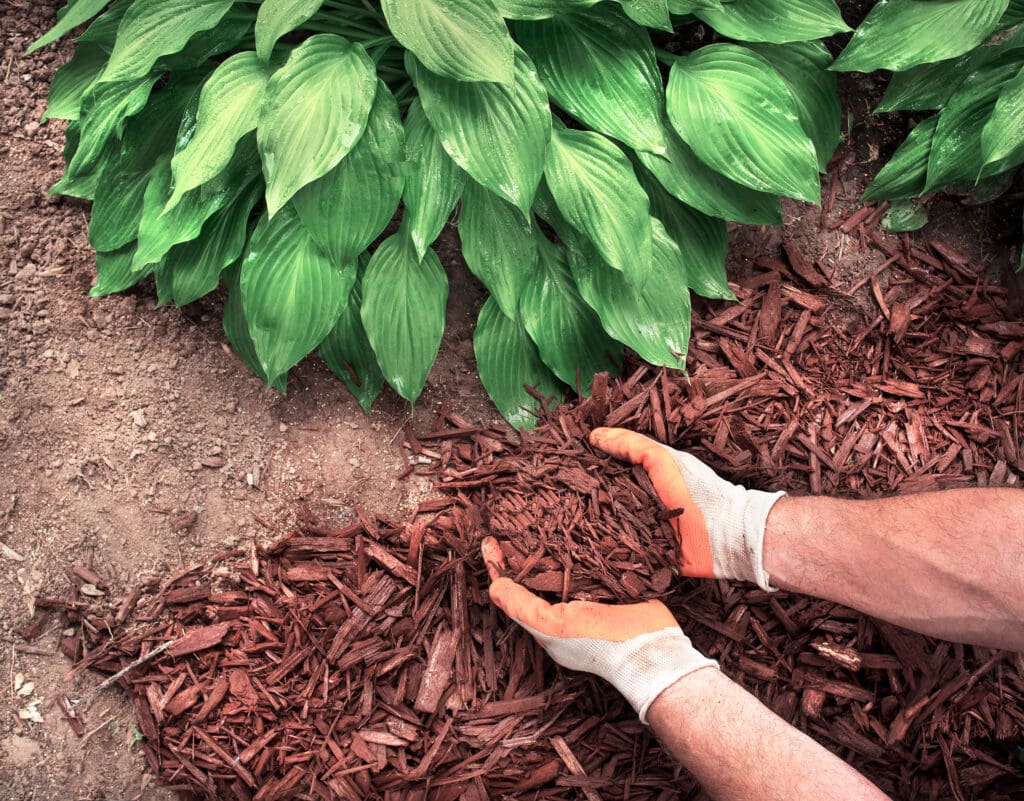
For most homeowners, the best time to mulch in Ohio is during mid to late spring. This is when the ground has thawed and soil temperatures begin to stabilize.
Signs it may be the right time include:
- The soil is no longer frozen
- The ground is not overly saturated
- Plants are beginning to show early growth
Mulching during this period helps lock in moisture while allowing soil to warm naturally, creating better conditions for plant roots.
Can You Mulch Too Early in Ohio?
Applying mulch too early in the season can cause issues. When mulch is placed over cold, damp soil, it can slow down the warming process.
This may:
- Delay plant growth
- Trap excess moisture
- Create less favorable soil conditions
Because Ohio weather can vary in early spring, waiting until temperatures are more consistent helps avoid these problems.
Best Time to Mulch Fall
While spring is the most common time, fall is also considered a good time to mulch in Ohio.
Fall mulching can help:
- Protect roots from temperature fluctuations
- Reduce soil erosion during rain and snow
- Maintain moisture levels heading into winter
The best time to mulch in fall is after temperatures begin to cool but before the ground freezes.
How Much Mulch You Really Need
Knowing how much mulch to apply is just as important as knowing the best time to mulch.
In most cases:
- A layer of about 2–3 inches is sufficient
- Too little mulch may not provide full coverage
- Too much mulch can restrict airflow and hold excess moisture
Mulch should also be kept a few inches away from plant stems and tree trunks to prevent buildup around the base.
How to Estimate Mulch Coverage
Before purchasing mulch, it helps to estimate how much is needed for your space.
Basic steps include:
- Measure the length and width of each planting bed
- Calculate total square footage
- Determine desired depth
- Convert that depth into volume
Planning ahead helps ensure even coverage without applying too much or too little material.
Choosing the Right Type of Mulch
Different types of mulch can be used depending on your landscape and preferences.
Common options include:
- Shredded mulch for better coverage
- Bark mulch for decorative areas
- Hardwood mulch for general use
The choice of material works together with proper timing to support overall landscape health.
Common Mulching Mistakes to Avoid
Even when you know the best time to mulch, mistakes in application can reduce its effectiveness.
Avoid:
- Applying mulch too early in spring
- Using excessive depth
- Piling mulch directly against trunks
- Skipping bed preparation before applying
Taking time to apply mulch correctly improves both appearance and long-term performance.
Checklist for Proper Mulching
Use this checklist to guide your mulching process:
- Wait until soil has thawed and begun to warm
- Remove debris and weeds from beds
- Define clean edges around planting areas
- Apply mulch evenly at the correct depth
- Keep mulch away from plant bases
- Check mulch levels periodically
How Mulching Supports Landscape Health
Applying mulch at the best time provides consistent benefits throughout the season.
Mulch helps:
- Regulate soil temperature
- Retain moisture during dry periods
- Reduce weed growth
- Improve overall soil conditions over time
These benefits make mulching a key part of maintaining a healthy and well-managed landscape.
When Professional Help May Be Useful
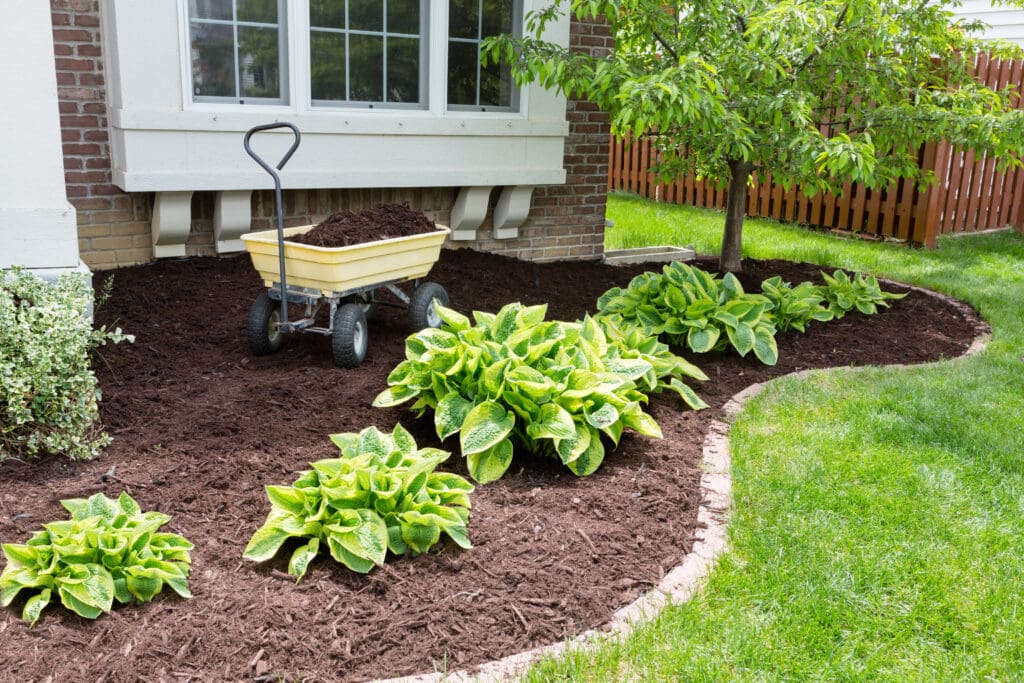
For larger properties or more detailed landscaping, professional assistance can help ensure mulch is applied evenly and at the right time.
This can be helpful when:
- Landscape beds are extensive
- Soil conditions vary across the property
- Consistent application is difficult to manage
Best Time to Mulch in Ohio for Better Results
Choosing the best time to mulch helps protect your landscape, improve plant health, and maintain a clean outdoor space. When combined with proper depth and application, mulching supports long-term growth and appearance throughout the year.
Professional Mulching and Landscaping Support
Doskoch Lawn Care & Landscaping Services provides landscaping solutions designed to support healthy, well-maintained outdoor spaces. From proper mulch application to ongoing landscape care, their team helps homeowners maintain clean, functional, and visually appealing yards.
Call 440-482-9699 or visit our website to schedule an appointment and learn more about available services.
FAQs About the Best Time to Mulch
1. When is the best time to mulch in Ohio?
The best time to mulch in Ohio is typically mid to late spring, after the ground has thawed and soil temperatures begin to warm consistently. This allows plants to start growing naturally while still benefiting from moisture retention and weed suppression. Waiting until the soil is no longer cold or overly saturated helps ensure mulch supports healthy root development instead of slowing it down.
2. Can mulch be applied too early?
Yes, applying mulch too early in the season can trap cold moisture in the soil and delay warming. This may slow plant growth and create conditions that are less favorable for roots. It’s generally better to wait until temperatures are more stable and the soil has had time to dry slightly after winter.
3. Is fall a good time to mulch?
Fall can also be a good time to mulch, especially to help protect plant roots before winter. Applying mulch after temperatures begin to cool helps insulate the soil, reduce temperature swings, and maintain moisture levels during colder months.
4. How deep should mulch be applied?
A mulch layer of about 2–3 inches is commonly used for most landscape beds. This depth helps retain moisture and suppress weeds without restricting airflow. Applying too little may not provide enough coverage, while applying too much can create moisture buildup.
5. Can too much mulch cause problems?
Yes, excessive mulch can limit airflow to the soil and trap too much moisture around plant roots. This can create conditions that may lead to root stress over time. Keeping mulch at an appropriate depth helps maintain balance in the soil.
6. Should mulch touch plant stems?
Mulch should be kept a few inches away from plant stems and tree trunks. Direct contact can hold moisture against the base of the plant, which may lead to issues over time. Leaving space allows for better airflow and healthier growth.
7. How often should mulch be replaced?
Mulch naturally breaks down over time, so it may need to be refreshed periodically to maintain proper coverage. Checking mulch levels throughout the year helps ensure it continues to provide the intended benefits.
8. What type of mulch is best?
The best type of mulch depends on your landscape needs and preferences. Options like hardwood, bark, or shredded mulch can all be effective when applied correctly. The key is choosing a material that suits your planting areas and maintenance goals.
9. Does mulch help prevent weeds?
Yes, mulch helps reduce weed growth by blocking sunlight from reaching the soil. When applied evenly and at the correct depth, it creates a barrier that makes it more difficult for weeds to grow.
10. How do I know how much mulch I need?
To determine how much mulch you need, measure the total area of your landscape beds and calculate coverage based on your desired depth. Planning ahead helps ensure even application and avoids using too much or too little material.

Nic Doskoch is the owner of Doskoch Lawn Care & Landscaping Services LLC, founded in 2018 and based in Bay Village, Ohio. Serving Northeast Ohio, Nic and his team specialize in a full range of landscaping and property maintenance services, including lawn care, landscape design, hardscaping, mulching, sod installation, and snow plowing. Known for quality craftsmanship and exceptional customer service, Nic has built a trusted reputation by transforming outdoor spaces with attention to detail and a commitment to client satisfaction.

