
When homeowners think about fall yard work, raking leaves is often the first task that comes to mind. Leaf removal is important, but a complete seasonal cleanup can involve much more than clearing leaves from the middle of the lawn. Landscape beds, branches, plant debris, edges, and other parts of the property may also need attention before winter. A thorough fall yard cleanup Ohio homeowners plan can help organize the landscape for colder weather while addressing debris that has accumulated throughout the growing season. Doskoch Lawn Care & Landscaping Services includes spring and fall cleanup services as part of its property-maintenance offerings.
October is an especially noticeable transition period in Northeast Ohio. Leaves begin accumulating, plants change with the season, and summer growth gives way to colder conditions. Understanding what belongs in a fall cleanup can help homeowners look beyond basic leaf raking.
Leaf Removal Is Still an Important Starting Point

Leaves are a major part of fall cleanup because thick accumulations can cover grass and change conditions at the turf surface.
When leaves become wet, they can settle into dense layers that reduce the sunlight and airflow reaching the grass. Instead of waiting until every tree is bare, homeowners can monitor how quickly leaves accumulate and clear heavy coverage when needed.
Doskoch’s seasonal lawn care tips for Northeast Ohio also identify fallen leaves and debris as important fall maintenance concerns.
However, stopping after the lawn has been cleared can leave several other areas of the landscape unfinished.
Remove Twigs, Branches, and Seasonal Debris
A complete fall yard cleanup Ohio property owners consider should also address debris beyond leaves.
Twigs, small branches, seed pods, and other plant material can accumulate across lawns and landscape beds. Wind and autumn weather can move this debris into corners, along fences, beneath shrubs, and around landscape features.
Removing these materials makes the property easier to inspect and keeps unwanted debris from remaining throughout winter.
Larger or potentially hazardous tree concerns require appropriate evaluation, but routine seasonal cleanup can address ordinary loose debris found around the property.
Clean Out Landscape Beds
Landscape beds can collect just as much fall debris as lawns.
Leaves may become trapped beneath shrubs or gather around perennial plants. Weeds, dead plant material, and summer debris may also remain in beds if they were not addressed earlier in the season.
Doskoch’s guide to preparing landscape beds for fall discusses weeding, edging, mulch evaluation, debris removal, and plant inspection as important seasonal tasks.
Including beds in a fall yard cleanup Ohio plan creates a more complete approach than concentrating exclusively on open lawn areas.
Address Weeds Before Winter
Fall cleanup is also an opportunity to identify weeds that remain in planting beds and other maintained areas.
Some weeds can remain noticeable late into the growing season. Removing them improves the appearance of beds and reduces the amount of unwanted vegetation left in place heading toward winter.
Weeding should be approached carefully around desirable plants. The goal is to remove unwanted growth without unnecessarily disturbing established landscape material.
This is one reason seasonal cleanup and landscape-bed maintenance often work well together: once fallen leaves and debris are removed, weeds and other maintenance concerns become easier to see.
Redefine Landscape Bed Edges
Bed edges can lose definition during the growing season as grass spreads and regular yard activity changes the boundary between lawn and planting areas.
Edging restores a clearer separation between these spaces. It can also help keep mulch contained and make future mowing around beds easier.
Doskoch’s article about fall bed edging and cleanup explains how edging and seasonal cleanup can be coordinated as part of fall property maintenance.
For homeowners planning fall yard cleanup Ohio services, edging can be a useful finishing task after leaves, weeds, and debris have been removed.
Evaluate Mulch in Landscape Beds
Mulch can shift, thin, or wash away during the growing season.
Once leaves and debris are cleared, homeowners have a better view of existing mulch conditions. Bare soil, uneven coverage, and washed-out areas become easier to identify.
Not every landscape bed automatically needs new mulch in fall. Existing conditions should determine whether a touch-up is appropriate.
Where mulching is needed, proper placement matters. Excessive mulch should not be piled directly against tree trunks or shrub stems. The objective is to maintain landscape beds appropriately rather than simply adding material because the season has changed.
Remove Clearly Dead or Damaged Plant Material
Fall also makes certain plant-maintenance concerns easier to notice.
Dead leaves, broken stems, spent annual material, and loose plant debris may remain after summer. Removing material that is clearly dead or damaged can improve the appearance of landscape beds and reduce clutter before winter.
However, homeowners should distinguish general cleanup from indiscriminate pruning. Different plants have different pruning requirements, and fall is not automatically the correct time for major pruning of every tree, shrub, or perennial.
A fall yard cleanup Ohio homeowners undertake should therefore focus on appropriate seasonal maintenance rather than treating every plant the same way.
Check Areas Where Leaves Tend to Collect
Leaves rarely distribute themselves evenly across a property.
Wind can push them into corners, against fences, beneath shrubs, around buildings, and along landscape-bed edges. These concentrated piles can be overlooked when homeowners focus only on the most visible parts of the lawn.
Walking the entire property during cleanup can reveal areas that need additional attention.
This also provides an opportunity to notice branches, weeds, worn bed edges, or other maintenance concerns that may have been hidden beneath accumulated leaves.
Do Not Forget Hard Surfaces
Fall debris does not remain exclusively on lawns and planting beds.
Leaves and small debris can accumulate on patios, walkways, driveways, and other outdoor surfaces. Clearing maintained areas can make the entire property look more orderly and prevent debris from being repeatedly blown back into cleaned lawn areas.
The appropriate cleanup method depends on the surface and surrounding landscape. The goal is simply to include these spaces in the overall property inspection rather than viewing fall cleanup as lawn-only work.
Use Fall Cleanup to Inspect the Property
One benefit of a comprehensive cleanup is increased visibility.
Once leaves, weeds, branches, and plant debris are removed, homeowners can see lawn and landscape conditions more clearly. Thin turf, eroded areas, exposed soil, drainage concerns, or damaged landscape features may become more noticeable.
Finding a concern during cleanup does not automatically identify its cause or mean immediate work is required. Instead, it gives homeowners useful information for future maintenance and landscape planning.
This makes fall yard cleanup Ohio maintenance both a cleanup task and an opportunity to understand the current condition of the property.
Why Multiple Fall Cleanups May Make Sense
Trees do not all lose their leaves at the same time. Weather can also redistribute leaves after one portion of a property has already been cleaned.
For that reason, fall cleanup does not always need to be treated as a single end-of-season event. Doskoch’s current property-maintenance plans, for example, include multiple fall cleanups as part of scheduled seasonal care.
The appropriate frequency for an individual property depends on tree coverage, weather, landscape layout, and how quickly debris accumulates.
The important point is to respond to actual property conditions rather than assuming one cleanup date works for every Northeast Ohio landscape.
Fall Cleanup Supports Ongoing Landscape Maintenance
A complete fall yard cleanup Ohio homeowners schedule fits into the broader cycle of landscape maintenance.
Throughout the growing season, lawns are mowed, beds are maintained, weeds emerge, plants grow, and storms deposit debris. Fall provides an opportunity to address what remains before winter changes the landscape again.
Leaf removal, debris clearing, bed cleanup, weeding, edging, and appropriate seasonal maintenance each serve a different purpose. Together, they create a more complete cleanup than raking leaves alone.
What Should Be Included in Your Fall Cleanup?
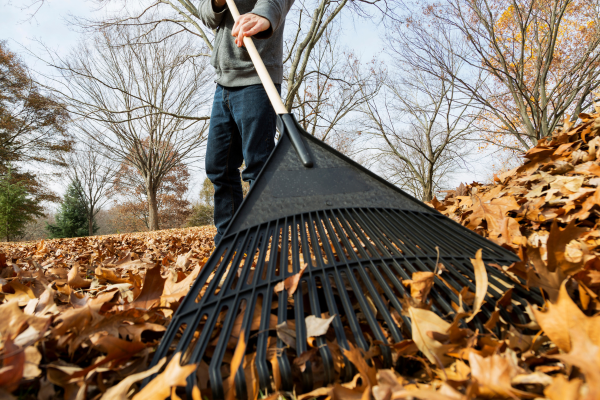
The exact needs of each property vary, but homeowners can evaluate several key areas: lawns, landscape beds, edges, shrubs, hard surfaces, and places where wind concentrates debris.
A useful fall yard cleanup Ohio checklist may include leaf removal, loose debris removal, bed cleanouts, weeding, edging, evaluating mulch, removing appropriate dead plant material, and inspecting the property for concerns that become visible after cleanup.
This approach avoids treating fall maintenance as a single task. Instead, it recognizes that lawns and landscapes contain several connected areas that may require different kinds of attention before winter.
For help preparing your Northeast Ohio property for the changing season, Doskoch Lawn Care & Landscaping Services offers confirmed fall cleanup and landscape maintenance services, including leaf and debris cleanup and bed maintenance. Contact Doskoch Lawn Care & Landscaping Services or call 216-516-2668 to discuss your fall property-maintenance needs.
Frequently Asked Questions
1. What is included in a complete fall yard cleanup?
A complete fall yard cleanup may include leaf removal, loose debris removal, landscape bed cleanup, weeding, edging, checking mulch conditions, removing appropriate dead plant material, and clearing debris from hard surfaces. The exact work depends on the property, tree coverage, landscape layout, and seasonal conditions.
2. Why is fall cleanup more than just raking leaves?
Fall cleanup addresses several parts of the property, not only the lawn. Leaves may collect in landscape beds, around shrubs, along fences, and on walkways, while weeds, twigs, branches, and other seasonal debris may also need attention. A broader cleanup helps homeowners prepare the entire landscape for colder weather.
3. How often should leaves be removed during fall?
Leaf removal frequency depends on how quickly leaves accumulate, the number and type of trees on the property, and weather conditions. Homeowners do not necessarily need to remove leaves every day, but they should avoid allowing thick, wet, matted layers to remain on the lawn for extended periods.
4. Should landscape beds be cleaned during fall?
Yes, landscape beds can benefit from seasonal cleanup when leaves, weeds, and other debris have accumulated. Clearing beds can make their condition easier to evaluate and help reveal issues such as worn edges, exposed soil, or areas where mulch has shifted during the growing season.
5. Why is fall a good time to remove weeds from landscape beds?
Fall can be a useful time to remove weeds that remain visible late in the growing season. Clearing unwanted growth improves the appearance of planting beds and prevents weeds from remaining mixed with fallen leaves and other debris. Care should be taken around established plants during cleanup.
6. Does every landscape bed need new mulch in fall?
No, not every landscape bed automatically needs fresh mulch in fall. Homeowners should first evaluate existing mulch conditions. If coverage is still adequate, adding more may not be necessary. Areas with thin or uneven coverage can be assessed based on the needs of the specific bed.
7. Should shrubs and plants be pruned during fall cleanup?
Not every plant should be heavily pruned in fall. Some dead or damaged material may be appropriate to remove, but pruning requirements vary by plant species and condition. A fall yard cleanup Ohio homeowners schedule should focus on suitable seasonal maintenance rather than assuming every shrub or perennial needs cutting back.
8. Why should patios, walkways, and driveways be included in fall cleanup?
Leaves and small debris often collect on hard surfaces and can be blown back into lawns or landscape beds after the rest of the property has been cleaned. Including patios, walkways, and driveways in seasonal cleanup helps keep the entire outdoor area more orderly.
9. Can fall cleanup help identify other yard problems?
Yes, removing leaves, weeds, and debris can make underlying lawn and landscape conditions easier to see. Homeowners may notice thin turf, exposed soil, drainage concerns, damaged edges, or other maintenance needs once the property is clear. Cleanup does not diagnose these issues, but it can make them easier to identify.
10. When should homeowners schedule fall yard cleanup in Ohio?
There is no single date that works for every property. A fall yard cleanup Ohio homeowners plan should be based on leaf drop, weather, tree coverage, and debris accumulation. Some properties may benefit from more than one cleanup as different trees shed leaves throughout the season.

Nic Doskoch is the owner of Doskoch Lawn Care & Landscaping Services LLC, founded in 2018 and based in Avon, Ohio. Serving Northeast Ohio, Nic and his team specialize in a full range of landscaping and property maintenance services, including lawn care, landscape design, hardscaping, mulching, sod installation, and snow plowing. Known for quality craftsmanship and exceptional customer service, Nic has built a trusted reputation by transforming outdoor spaces with attention to detail and a commitment to client satisfaction.

