

July is one of the most important months for garden bed maintenance in Northeast Ohio. By this point in the growing season, landscape plants are active, mulch has started to settle, and weeds can appear quickly after warm weather and summer rain. For homeowners, keeping garden beds neat in July requires more than pulling a few weeds when they become noticeable. It takes a consistent approach that supports healthy plants while reducing the conditions that allow weeds to spread.
Garden beds are often one of the most visible parts of a property. They frame the home, define walkways, highlight patios, and add structure to the yard. When weeds take over, they can make even a well-designed landscape look neglected. More importantly, weeds compete with ornamental plants for water, sunlight, nutrients, and space.
In Northeast Ohio, weed control can be especially challenging because of changing weather, clay-heavy soils, and seasonal rainfall. A garden bed that looks clean in early summer can quickly become crowded with unwanted growth by mid-July. Understanding how weeds spread and how to manage them properly can help homeowners keep their landscaping looking its best throughout the season.
Why Weeds Are So Active In July
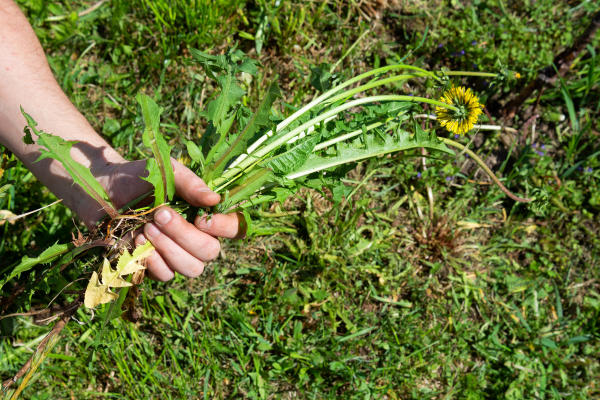
July brings warm soil, long daylight hours, and periodic rainfall. These conditions can encourage rapid weed growth in garden beds. While established shrubs, perennials, and ornamental plants benefit from summer growth, weeds also take advantage of the same conditions.
Weeds often appear more aggressively in July because:
- Soil temperatures are warm
- Rain can help weed seeds germinate
- Mulch may have thinned or shifted
- Open soil is exposed in planting beds
- Landscape plants may create shaded, moist areas where certain weeds thrive
Once weeds become established, they can spread through seeds, roots, or creeping stems. Some weeds are easy to remove when young but become much harder to control once their roots deepen or they begin producing seeds.
Start With Regular Inspection
The first step in keeping garden beds looking their best is regular inspection. Weeds are much easier to manage when they are small. A quick weekly check can help you spot new growth before it becomes a larger issue.
When inspecting garden beds, look closely around:
- The edges of mulch beds
- The base of shrubs and perennials
- Walkways, patios, and edging
- Areas where mulch has washed away
- Spaces between plants
Edges are especially important because weeds often move into beds from lawn areas or cracks near hardscapes. Catching weeds early helps reduce the amount of work needed later.
Pull Weeds Before They Go To Seed
One of the most important weed control habits is removing weeds before they produce seeds. Once weeds release seeds into the bed, the problem can continue for weeks or even seasons.
Hand-pulling works well for many garden bed weeds, especially when the soil is moist. Pulling after rain or watering can make roots easier to remove. Try to remove the entire root system whenever possible. If only the top growth is removed, some weeds may regrow.
After pulling weeds, dispose of them properly rather than leaving them in the bed. This helps reduce the chance of reseeding or regrowth.
Maintain A Proper Mulch Layer
Mulch is one of the most useful tools for weed control in garden beds. It helps block sunlight from reaching weed seeds, which can reduce germination. Mulch also helps regulate soil temperature, retain moisture, and improve the overall appearance of the landscape.
A mulch layer of about 2 to 3 inches is generally effective for most garden beds. If mulch becomes too thin, weed seeds may receive enough sunlight to sprout. If mulch is piled too deeply, it can restrict airflow and hold too much moisture around plant roots.
In July, check mulch depth and condition. Summer rain and wind can move mulch out of place, especially on slopes or near downspouts. Refresh or redistribute mulch where needed to maintain even coverage.
Avoid piling mulch directly against plant stems or tree trunks. Keeping a small gap around plants helps prevent excess moisture buildup against bark or stems.
Keep Garden Bed Edges Clean
Clean edges make garden beds look more polished and help reduce weed spread. When grass or weeds creep into bed edges, they can quickly become difficult to manage.
A well-defined edge creates a clear boundary between lawn and planting areas. This helps prevent turfgrass from spreading into mulch beds and makes mowing and trimming easier.
In July, inspect bed edges regularly. If grass is creeping into the bed, remove it early before roots spread. Keeping edges neat is one of the simplest ways to improve curb appeal and reduce weed pressure.
Avoid Disturbing The Soil Too Much
Many weed seeds remain dormant in the soil until they are brought closer to the surface. Excessive digging or turning soil in garden beds can expose buried seeds to light and air, encouraging germination.
When removing weeds, try to disturb the soil as little as possible. Use careful hand-pulling or targeted tools rather than aggressively turning large areas of soil. If you must disturb the soil, re-cover the area with mulch afterward.
This is especially important in established beds where ornamental plants are already growing well.
Water Carefully
Watering practices can influence weed growth. Frequent shallow watering can encourage weed seeds near the surface to germinate. Deep, targeted watering supports the roots of landscape plants while reducing unnecessary moisture in open areas.
When possible, water at the base of plants rather than spraying the entire bed. This helps deliver moisture where it is needed most. Watering early in the morning is also helpful because it allows foliage and soil surfaces to dry during the day.
Overly wet beds can encourage both weed growth and plant health problems. Proper watering supports the plants you want while making conditions less favorable for weeds.
Use Targeted Weed Control Carefully
Some garden beds may need more than hand-pulling and mulch maintenance. When using weed control products, it is important to apply them carefully and only where appropriate.
Always follow product label directions. Avoid applying products during extreme heat or windy conditions, and be careful around desirable plants. Many ornamental plants can be sensitive to misapplied weed control products.
Targeted treatment is usually better than broad application in garden beds. This reduces the chance of harming plants and keeps the focus on specific problem areas.
Avoid Common Weed Control Mistakes
Many homeowners unintentionally make weed problems worse by using the wrong approach. Common mistakes include:
- Letting weeds grow too long before removing them
- Leaving pulled weeds in the bed
- Applying mulch too thinly
- Piling mulch too deeply around plants
- Disturbing soil too aggressively
- Using weed control products too close to desirable plants
- Ignoring bed edges
Avoiding these mistakes can make garden bed maintenance more effective and less time-consuming.
When Professional Landscape Maintenance May Help
Some garden beds require more attention than homeowners have time to provide, especially during the busy summer season. Large beds, mature landscapes, persistent weeds, and storm-affected areas can all benefit from professional maintenance.
Professional landscape care can help with ongoing bed cleanup, edging, mulch maintenance, plant care, and seasonal upkeep. A consistent approach helps garden beds stay neat and supports the overall appearance of the property.
Weed Control In Northeast Ohio Garden Beds
Keeping garden beds weed-free in July takes regular attention, proper mulch care, clean edges, careful watering, and early removal. In Northeast Ohio, summer heat, rain, and clay-heavy soil can make weeds more active, but a thoughtful maintenance routine can help keep beds attractive and manageable.
If your garden beds need consistent care this summer, Doskoch Lawn Care & Landscaping Services can help keep your landscape clean, healthy, and well-maintained. Visit us to learn more.
FAQs
1. Why are weeds so active in Northeast Ohio garden beds during July?
Weeds are especially active in July because warm soil, longer daylight hours, and summer rainfall create ideal growing conditions. If mulch has shifted or soil is exposed, weed seeds can germinate quickly.
2. How often should I check my garden beds for weeds?
A weekly inspection is a good habit during the summer. Checking garden beds regularly helps you catch weeds while they are small and easier to remove.
3. When is the best time to pull weeds from garden beds?
The best time to pull weeds is when the soil is moist, such as after rain or watering. Moist soil makes it easier to remove the entire root system.
4. Why should weeds be removed before they go to seed?
Once weeds produce and release seeds, the problem can continue for weeks or even future seasons. Removing weeds early helps prevent them from spreading throughout the bed.
5. How much mulch should I use for weed control?
A mulch layer of about 2 to 3 inches is generally effective for most garden beds. This helps block sunlight from reaching weed seeds while also helping soil retain moisture.
6. Can too much mulch cause problems?
Yes. Mulch that is piled too deeply can trap excess moisture, limit airflow, and create problems around plant roots. Avoid piling mulch directly against plant stems or tree trunks.
7. Why are clean garden bed edges important for weed control?
Clean edges create a clear boundary between the lawn and planting areas. This helps prevent grass and weeds from creeping into garden beds and makes the landscape look more polished.
8. Can digging in garden beds make weed problems worse?
Yes. Excessive soil disturbance can bring buried weed seeds closer to the surface, where light and air may encourage them to germinate. It is best to disturb the soil as little as possible when removing weeds.
9. How does watering affect weed growth?
Frequent shallow watering can encourage weed seeds near the soil surface to sprout. Deep, targeted watering at the base of plants supports desirable plants while reducing unnecessary moisture in open areas.
10. When should I consider professional weed control or landscape maintenance?
Professional maintenance may help if your garden beds are large, weeds keep returning, or you do not have time for consistent upkeep. A landscape professional can help with weeding, edging, mulch care, plant care, and seasonal cleanup.

Nic Doskoch is the owner of Doskoch Lawn Care & Landscaping Services LLC, founded in 2018 and based in Bay Village, Ohio. Serving Northeast Ohio, Nic and his team specialize in a full range of landscaping and property maintenance services, including lawn care, landscape design, hardscaping, mulching, sod installation, and snow plowing. Known for quality craftsmanship and exceptional customer service, Nic has built a trusted reputation by transforming outdoor spaces with attention to detail and a commitment to client satisfaction.

