

As summer begins to wind down in Northeast Ohio, many homeowners start thinking about cooler temperatures, falling leaves, and preparing their landscapes for the months ahead. While lawn care often remains a priority during late summer, weeds growing in landscape beds are sometimes overlooked until spring. However, waiting too long to address unwanted weeds may allow them to continue growing, spreading, and competing with desirable plants before winter arrives.
Proper fall weed control Ohio homeowners perform during late summer and early fall is an important part of seasonal landscape maintenance. Removing weeds before winter helps keep landscape beds cleaner, reduces competition for moisture and nutrients, and can contribute to a healthier-looking landscape when spring returns.
If you’ve ever wondered, “Should I still worry about weeds in fall?” the answer is often yes. Many weeds remain active well into the cooler months, making late summer and early fall an excellent time to evaluate landscape beds and remove unwanted growth before winter.
Why Weeds Continue Growing Into Fall
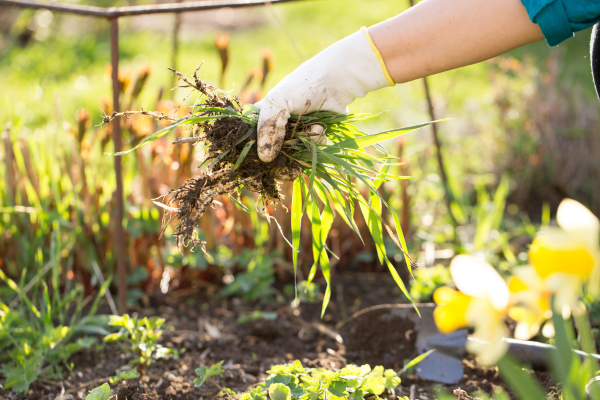
Many homeowners assume weeds stop growing once temperatures begin to cool. While growth may slow compared to midsummer, numerous weed species continue developing during late summer and early fall.
As temperatures become milder, many weeds remain active by:
- Continuing root development
- Producing seeds
- Competing for water
- Competing for nutrients
- Spreading into landscape beds
Because weeds remain active later in the growing season, delaying maintenance until spring may allow them to become more established.
Why Timing Matters For Fall Weed Control
One of the biggest advantages of fall weed control Ohio landscapes benefit from is preventing weeds from carrying momentum into the next growing season.
Addressing weeds before winter may help:
- Reduce weed populations in landscape beds
- Limit seed production
- Improve the appearance of planting beds
- Protect desirable ornamental plants from unnecessary competition
- Simplify spring landscape maintenance
Rather than waiting until weeds emerge again in spring, homeowners can begin reducing existing weed growth before winter arrives.
Should I Still Worry About Weeds In Fall?
Yes, many landscape professionals recommend continuing weed management into the fall because weeds do not simply disappear once summer ends.
Some weeds remain active until freezing temperatures arrive, while others establish themselves during cooler weather.
Ignoring fall weeds may allow them to:
- Continue growing
- Produce additional seeds
- Spread into neighboring beds
- Compete with shrubs and perennials
Even when weeds appear smaller during late summer, they can still affect the overall health and appearance of landscape beds.
Refresh Landscape Bed Edges
Clean landscape edges contribute to a more organized appearance while making weed management easier.
Over time, grass may begin creeping into planting beds, creating additional maintenance challenges.
Edging landscape beds helps:
- Define planting areas
- Limit grass encroachment
- Improve curb appeal
- Make mulching easier
Combined with regular weeding, clean edges help maintain attractive planting beds throughout the fall.
Mulch Supports Weed Management
Mulch plays an important role in landscape bed maintenance.
A properly maintained mulch layer may help:
- Reduce weed growth
- Retain soil moisture
- Moderate soil temperature
- Improve overall appearance
If mulch has thinned during summer due to weather or normal decomposition, a light mulch touch-up may help prepare landscape beds for fall.
Avoid placing mulch directly against tree trunks or shrub stems.
Remove Dead Plant Material
Along with weeds, late summer is a good time to remove:
- Dead leaves
- Broken stems
- Spent annuals
- Fallen branches
- Other landscape debris
Cleaning landscape beds improves their appearance while allowing homeowners to identify remaining weed growth more easily.
Monitor Areas That Frequently Develop Weeds
Certain parts of the landscape naturally experience more weed growth than others.
These areas may include:
- Bed edges
- Thin mulch locations
- Bare soil
- Sunny open spaces
- Areas disturbed by heavy rainfall
Monitoring these locations throughout late summer helps homeowners address problems before they become larger.
Supporting A Better-Looking Landscape In Spring
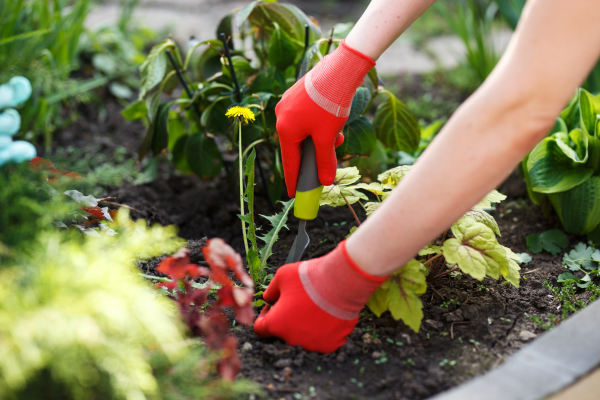
Although no maintenance practice can eliminate every weed, addressing weed growth before winter may help reduce the amount of cleanup needed once warmer weather returns.
Landscape beds that enter winter in good condition are generally easier to maintain during the following growing season.
Routine maintenance throughout late summer and fall helps homeowners stay ahead of weed growth while preserving the overall appearance of their landscape.
Fall Weed Control In Ohio
Taking time to inspect landscape beds, remove unwanted growth, refresh mulch, and maintain clean edges can help make seasonal landscape maintenance more manageable while contributing to a healthier-looking landscape next spring. If your property could benefit from professional weeding, mulch maintenance, or landscape bed care, contact Doskoch Lawn Care & Landscaping Services at 216-516-2668 to learn more about preparing your Northeast Ohio landscape for the seasons ahead.
Frequently Asked Questions
1. Should I still remove weeds if winter is only a few months away?
Yes, removing weeds before winter is generally worthwhile because many weeds remain active during late summer and fall. Eliminating them before they mature or spread seeds may reduce future weed growth and help keep landscape beds cleaner when the next growing season begins.
2. Why is fall weed control important for landscape beds?
Fall weed control Ohio homeowners perform can help reduce competition between weeds and ornamental plants for water, nutrients, and sunlight. Managing weeds before winter also supports cleaner planting beds and may make spring landscape maintenance more manageable.
3. Which areas of my yard are most likely to develop weeds in the fall?
Weeds often appear in areas where mulch has thinned, bare soil is exposed, grass borders landscape beds, or heavy rainfall has disturbed the soil. Regular inspections of these locations can help homeowners identify weed growth before it becomes more widespread.
4. Can weeds continue growing after summer ends?
Yes, many weed species continue growing into the fall, especially while temperatures remain above freezing. Although growth may slow compared to midsummer, weeds can still establish roots, compete with desirable plants, and in some cases produce seeds before winter arrives.
5. How does mulch help with weed control?
Mulch can help suppress weed growth by limiting the amount of sunlight reaching weed seeds while also helping conserve soil moisture. Maintaining an even mulch layer throughout landscape beds is often an important part of an overall landscape maintenance routine.
6. Is pulling weeds by hand enough for most landscape beds?
Hand-pulling can be effective for many common weeds, especially when they are removed early and the entire root system is extracted. Regular inspections and prompt removal often help prevent weeds from spreading throughout landscape beds during the growing season.
7. Should I remove dead plants and debris while weeding?
Yes, cleaning out dead leaves, broken stems, spent annuals, and other debris while removing weeds can improve the appearance of landscape beds and make it easier to identify additional weed growth. A clean landscape bed is also easier to maintain throughout the fall season.
8. How often should landscape beds be inspected for weeds in late summer and fall?
Landscape beds generally benefit from periodic inspections throughout late summer and early fall. Checking beds regularly allows homeowners to remove small weeds before they become established and to monitor mulch, edging, and overall bed condition as the seasons change.
9. Can fall weed control improve the appearance of my landscape next spring?
While every landscape is different, removing weeds before winter may reduce the amount of unwanted growth that needs attention when warmer weather returns. Maintaining clean landscape beds in the fall often contributes to a tidier appearance and easier seasonal maintenance the following spring.
10. What other landscape maintenance should be completed along with fall weeding?
Fall weeding is often most effective when combined with other seasonal tasks such as refreshing mulch, redefining landscape bed edges, removing storm debris, inspecting plant health, and cleaning planting beds. Performing these maintenance activities together helps prepare the landscape for the colder months ahead.

Nic Doskoch is the owner of Doskoch Lawn Care & Landscaping Services LLC, founded in 2018 and based in Avon, Ohio. Serving Northeast Ohio, Nic and his team specialize in a full range of landscaping and property maintenance services, including lawn care, landscape design, hardscaping, mulching, sod installation, and snow plowing. Known for quality craftsmanship and exceptional customer service, Nic has built a trusted reputation by transforming outdoor spaces with attention to detail and a commitment to client satisfaction.

