
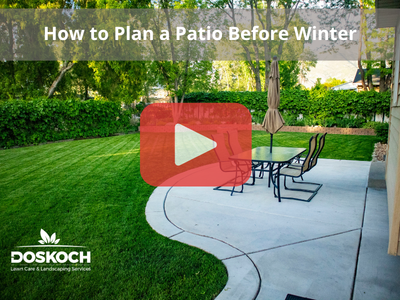
A patio can become one of the most enjoyable features of a home’s outdoor space. Whether it serves as a place to relax, entertain guests, or simply enjoy the backyard, a well-planned patio can improve both the function and appearance of a property. However, creating a successful patio involves much more than selecting pavers or deciding where to place outdoor furniture. Careful planning is an essential first step, especially before the colder months arrive.
September is an ideal time for homeowners to begin paver patio planning Ohio projects. By evaluating the property’s layout, considering how the patio will be used, and identifying any site challenges before winter, homeowners can make informed decisions and prepare for future improvements. Planning ahead also provides time to develop a design that fits the landscape without making rushed decisions.
If you are considering adding a paver patio to your Northeast Ohio home, understanding what goes into the planning process can help you create an outdoor space that meets your needs for years to come.
Why Start Planning Before Winter?
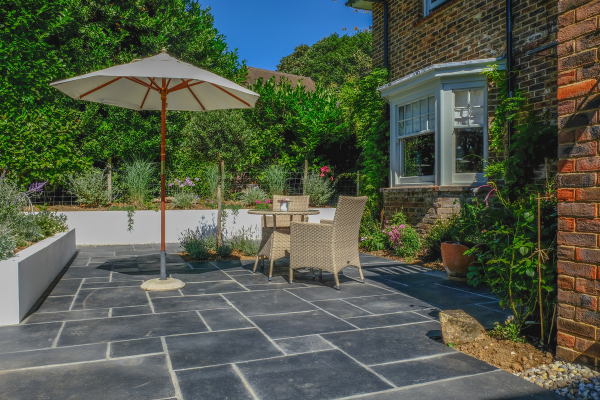
Although winter weather eventually slows many outdoor projects, the fall season is an excellent time to begin planning. Homeowners have spent the summer using their yards and often have a better understanding of what works well and what could be improved.
Planning before winter allows you to:
- Evaluate how your outdoor space is currently used.
- Identify areas that receive the most traffic.
- Consider future landscaping goals.
- Address grading or drainage concerns.
- Develop a design before the next busy landscaping season.
Rather than waiting until spring to begin thinking about a patio, planning during the fall gives homeowners additional time to explore options and prepare for the project.
Determine How You Want to Use the Patio
One of the first steps in paver patio planning Ohio homeowners should complete is deciding how the patio will be used.
Different households have different priorities. Some homeowners want a quiet place to relax outdoors, while others prefer an area for dining or entertaining.
Questions to consider include:
- Will the patio primarily be used for seating?
- Will it include an outdoor dining area?
- How many people should it comfortably accommodate?
- Will it connect to other landscape features?
- Will it be used throughout much of the warmer months?
Understanding the intended purpose helps guide decisions about size, shape, and location.
Choose the Right Location
Location is one of the most important decisions in patio planning.
Several factors can influence where a patio should be installed, including:
- Proximity to the home
- Existing landscaping
- Sun exposure
- Shade throughout the day
- Views of the yard
- Accessibility from entrances
A patio should feel like a natural extension of the home’s outdoor environment while fitting comfortably within the property’s existing layout.
Think About Patio Size
Selecting the appropriate size is another important part of planning.
A patio that is too small may feel crowded, while one that is unnecessarily large may reduce valuable lawn or landscape space.
When determining patio size, consider:
- Furniture placement
- Walking space
- Future landscaping
- Existing trees
- Outdoor traffic patterns
Leaving enough room for comfortable movement often improves the functionality of the finished space.
Evaluate Existing Drainage
Drainage should always be considered before installing a patio.
Water naturally flows across every property, and poor drainage can create challenges if it is not addressed during the planning process.
During your evaluation, observe:
- Areas where water pools
- Sloped sections of the yard
- Downspout discharge locations
- Soil erosion
- Existing grading
Understanding how water moves across the property allows drainage considerations to be incorporated into the overall design.
Consider the Property’s Grade
Many Northeast Ohio homes have slight elevation changes that may influence patio construction.
Some yards include:
- Gentle slopes
- Hillsides
- Uneven terrain
- Low-lying areas
These conditions may affect the design and preparation required before a patio is installed.
Evaluating grading early helps avoid unexpected challenges later in the project.
Plan Connections to Other Outdoor Features
A patio rarely exists by itself.
Consider how it will connect to:
- Walkways
- Landscape beds
- Lawn areas
- Existing hardscaping
- Outdoor gathering spaces
Creating smooth transitions between landscape features often improves both appearance and usability.
Consider Sun and Shade
Sun exposure changes throughout the day and throughout the year.
Before finalizing a patio location, observe:
- Morning sunlight
- Afternoon sun
- Existing shade from trees
- Nearby structures
- Seasonal changes
These observations help homeowners choose a location that matches how they intend to use the patio.
Select Materials That Complement the Home
Paver patios are available in many styles, colors, textures, and patterns.
When planning a patio, consider how the selected materials will complement:
- The home’s exterior
- Existing walkways
- Landscape features
- Driveway materials
- Overall property appearance
Choosing materials that work well together helps create a more unified landscape.
Understand Local Weather Conditions

Northeast Ohio experiences changing weather throughout the year, including rain, snow, freezing temperatures, and freeze-thaw cycles.
These seasonal conditions should be considered during paver patio planning Ohio projects because site preparation, grading, drainage, and construction techniques all contribute to long-term performance.
Proper planning helps ensure the patio fits the property’s specific conditions.
Why Professional Planning Matters
Every property presents different opportunities and challenges.
Factors such as:
- Property size
- Soil conditions
- Existing landscaping
- Elevation
- Drainage
- Home layout
all influence patio design.
Working with a professional allows homeowners to evaluate these factors and develop a patio layout that works well within the property’s overall landscape.
A thoughtful planning process considers both appearance and functionality while helping integrate the patio with surrounding outdoor features.
Paver Patio Planning in Ohio
A well-planned patio can become a functional outdoor gathering space that complements the rest of the property for years to come. If you are considering a new paver patio, Doskoch Lawn Care & Landscaping Services can help you plan a patio design that fits your Northeast Ohio property and landscaping goals. Call 216-516-2668 to learn more about professional paver patio planning and installation.
Frequently Asked Questions
1. When should I start planning a paver patio in Ohio?
September is often a good time to begin paver patio planning Ohio homeowners are considering because it allows time to evaluate the property’s layout, drainage, and intended use before winter. Planning ahead also helps homeowners make thoughtful design decisions before the next landscaping season begins.
2. What should I consider before choosing a patio location?
The location should support how the patio will be used while working with the property’s existing layout. Factors such as accessibility, sun exposure, nearby landscaping, drainage, and proximity to the home can all influence where a patio will function best.
3. How do I determine the right size for a paver patio?
The right patio size depends on how the space will be used. Homeowners should consider furniture placement, walking room, outdoor dining needs, and future landscape features. Planning for comfortable movement around tables and seating areas can help create a more functional outdoor space.
4. Why is drainage important when planning a patio?
Proper drainage helps manage how water moves across the property and may reduce issues such as standing water, erosion, or water collecting around the patio. Evaluating drainage before installation allows it to be considered as part of the overall patio design.
5. Can a patio be added to a sloped yard?
Yes, patios can often be incorporated into sloped properties, although the design may require additional planning. Elevation changes, grading, and other site conditions should be evaluated to determine the most appropriate layout for the available space.
6. How can a patio fit into the rest of my landscape?
A patio generally works best when it connects naturally with other landscape features such as walkways, planting beds, lawns, or outdoor gathering areas. Planning these elements together can create a more cohesive landscape and improve how the outdoor space functions.
7. Should I think about future landscaping while planning a patio?
Yes, considering future landscaping during the planning stage can help create a more unified outdoor design. Homeowners who may eventually add landscape beds, trees, shrubs, or walkways can often benefit from incorporating those possibilities into the initial patio plan.
8. How does sun exposure affect patio planning?
Sun exposure can influence how comfortable a patio feels throughout the day. Observing where sunlight and shade fall during different times can help homeowners choose a location that better matches how they expect to use the outdoor space.
9. What materials are commonly used for paver patios?
Paver patios are commonly built using materials such as concrete pavers or natural stone. Material selection often depends on the desired appearance, maintenance preferences, and how the patio will complement the home’s architecture and surrounding landscape.
10. Why is professional patio planning helpful?
Professional planning can help homeowners evaluate important site conditions such as grading, drainage, traffic flow, and overall property layout. A well-planned design helps ensure the patio integrates with the surrounding landscape and supports the intended use of the outdoor space.

Nic Doskoch is the owner of Doskoch Lawn Care & Landscaping Services LLC, founded in 2018 and based in Avon, Ohio. Serving Northeast Ohio, Nic and his team specialize in a full range of landscaping and property maintenance services, including lawn care, landscape design, hardscaping, mulching, sod installation, and snow plowing. Known for quality craftsmanship and exceptional customer service, Nic has built a trusted reputation by transforming outdoor spaces with attention to detail and a commitment to client satisfaction.