
June is one of the most popular times in Northeast Ohio to enjoy outdoor living spaces. As temperatures warm up and homeowners begin hosting gatherings, the patio becomes a central feature of the yard. Whether it’s a casual evening with family or a larger get-together with friends, having the right patio size plays a major role in comfort, functionality, and overall enjoyment.
For homeowners in areas like Westlake, Bay Village, and Avon Lake, patio planning is not just about aesthetics—it’s about creating a space that works well for entertaining while fitting your property and lifestyle.
One of the most common questions is: how big should a patio be? The answer depends on how you plan to use the space, how many people you expect to host, and how the patio integrates with your yard.
Start With How You Plan To Use The Patio
Before thinking about dimensions, consider how the patio will actually be used. Not all patios serve the same purpose, and the intended use has a direct impact on size.
Ask yourself:
- Will the patio be used mainly for dining, lounging, or both?
- Do you plan to host small gatherings or larger groups?
- Will you include features like a grill or seating areas?
A patio designed only for a small table and chairs requires far less space than one intended for multiple seating zones.
Understanding Space Requirements For Furniture
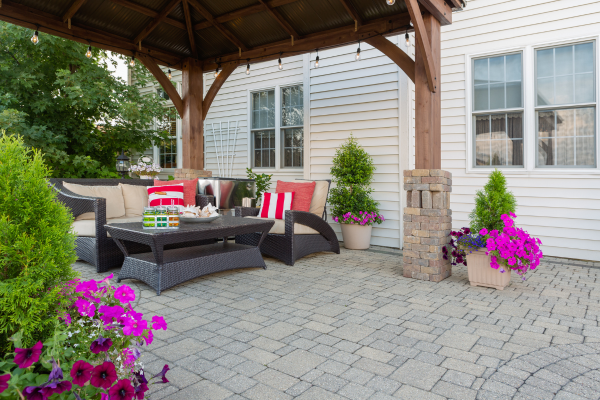
Furniture layout is one of the most important factors when determining patio size. Each element requires not only its physical footprint but also space for movement around it.
For example:
- A standard outdoor dining table with chairs typically needs additional clearance on all sides so chairs can be pulled out comfortably.
- Lounge seating requires room for walking paths so guests can move easily through the space.
- Grilling areas should have enough space to operate safely without crowding nearby seating.
A common mistake is underestimating how much space furniture and movement actually require. A patio that feels spacious without furniture can quickly feel cramped once everything is placed.
Allow Space For Movement And Flow
Entertaining is not just about seating—it’s about how people move through the space. Guests will naturally circulate between seating areas, food stations, and entry points.
A well-planned patio should include:
- Clear walkways between furniture pieces
- Easy access to doors leading into the home
- Enough room for multiple people to move comfortably at the same time
If guests have to squeeze past chairs or navigate tight corners, the space may feel crowded even if the patio is technically large enough.
Small Patio Layouts For Limited Spaces
Not every property can accommodate a large patio, especially in established neighborhoods where yard size may be limited. That does not mean entertaining is not possible—it simply requires more efficient planning.
Smaller patios can still function well if designed thoughtfully:
- Use multi-purpose furniture, such as benches that provide seating without taking up extra space
- Keep layouts simple to avoid overcrowding
- Focus on one primary function, such as dining or lounging, rather than trying to include everything
Even a compact patio can feel comfortable if space is used efficiently.
Medium-Sized Patios For Balanced Entertaining
For many homeowners, a medium-sized patio provides the best balance between functionality and available yard space. This size typically allows for:
- A dining area
- A small seating or conversation area
- Enough room for guests to move comfortably
This type of layout works well for typical gatherings where people may be sitting, standing, and moving around at the same time.
Larger Patios For Frequent Entertaining
Homeowners who regularly host larger gatherings may benefit from a more spacious patio. A larger footprint allows for multiple zones, such as:
- Dining area
- Lounge seating area
- Space for a grill or outdoor cooking setup
Separating these areas can improve flow and prevent overcrowding in one section.
However, it’s important that the patio size still feels proportional to the yard. An oversized patio can dominate the space and reduce the amount of usable lawn or landscaping.
Think In Zones Instead Of One Large Space
One effective approach to patio design is to divide the area into functional zones rather than treating it as a single open space.
Common zones include:
- Dining area
- Relaxation or seating area
- Access paths to the home or yard
Zoning helps organize the space and makes it more usable, especially during gatherings. It also allows the patio to feel more structured and intentional.
Consider Your Yard Size And Layout
Patio size should always be considered in relation to the overall property. In Northeast Ohio, many homes have established landscaping, mature trees, and defined yard layouts that should be preserved.
A patio that is too large can:
- Reduce green space
- Limit flexibility for other outdoor uses
- Disrupt the balance of the yard
A well-sized patio complements the existing landscape rather than overwhelming it.
Sun Exposure And Comfort
June brings longer days and stronger sunlight, which can affect how comfortable your patio feels.
When planning size and placement, consider:
- How much direct sun the area receives
- Whether there is natural shade from trees
- How seating will be positioned throughout the day
A larger patio does not always mean a better experience if parts of it are exposed to excessive heat without relief.
Planning For Future Needs
When deciding on patio size, it’s helpful to think beyond current needs. Consider how your use of the space might change over time.
For example:
- You may host more gatherings in the future
- Furniture arrangements may change
- Outdoor features may be added later
Allowing some flexibility in the design can prevent the need for major changes later on.
Avoid Common Patio Sizing Mistakes
There are a few common mistakes homeowners make when planning patio size:
- Making the patio too small to accommodate furniture and movement
- Trying to fit too many features into a limited space
- Ignoring how the patio connects to the home and yard
- Not planning for traffic flow
Avoiding these issues helps ensure the patio remains functional and comfortable.
How Climate Affects Patio Use In Northeast Ohio
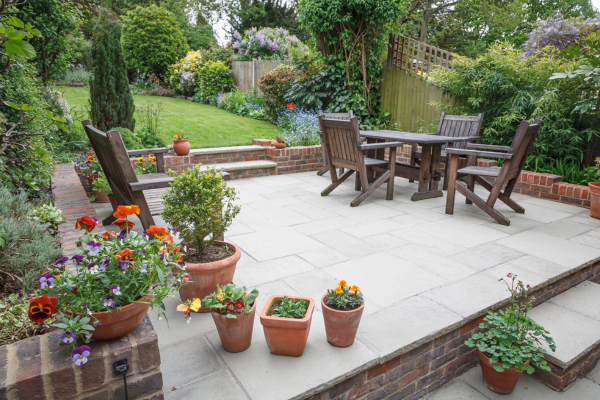
In Northeast Ohio, outdoor spaces are used most actively from late spring through early fall. June is a key time when patios see frequent use.
Because of seasonal weather:
- Patios should be designed for efficient use during peak months
- Materials and layout should support durability through changing conditions
- Drainage should be considered to prevent water issues after rain
A well-planned patio supports consistent use throughout the outdoor season.
Choosing The Right Patio Size
If you’re planning a patio and want guidance on creating a layout that fits your space and lifestyle, Doskoch Lawn Care & Landscaping Services can help you create one that supports comfortable outdoor living throughout the summer.
Common FAQs About Patios
1. How Do I Determine The Right Patio Size For Entertaining?
The right patio size depends on how you plan to use the space, how many people you expect to host, and how the patio fits within your yard layout.
2. Should My Patio Be Designed For Dining, Lounging, Or Both?
This depends on your lifestyle. Some patios are designed for a single purpose, while others include both dining and seating areas for more flexibility when entertaining.
3. Why Is Furniture Layout Important When Planning Patio Size?
Furniture requires not only space for placement but also room for movement. Without proper spacing, the patio can feel cramped once furniture is added.
4. How Much Space Should Be Left For Movement On A Patio?
A well-planned patio should include clear walkways, easy access to the home, and enough space for multiple people to move comfortably without obstruction.
5. Can A Small Patio Still Work For Entertaining?
Yes. Smaller patios can function well if designed efficiently, using simple layouts and multi-purpose furniture while focusing on one main use like dining or lounging.
6. What Is The Benefit Of A Medium-Sized Patio?
A medium-sized patio typically provides enough space for a dining area, a small seating area, and comfortable movement, making it suitable for most gatherings.
7. When Is A Larger Patio Necessary?
Larger patios are useful for homeowners who frequently host bigger gatherings and need multiple zones such as dining, lounging, and cooking areas.
8. What Does It Mean To Design A Patio In Zones?
Zoning involves dividing the patio into functional areas like dining, relaxation, and walkways, which improves organization and flow during gatherings.
9. How Does Sun Exposure Affect Patio Planning?
Sun exposure affects comfort. Planning for shade and seating placement helps ensure the patio remains usable during warmer parts of the day.
10. What Are Common Mistakes To Avoid When Planning Patio Size?
Common mistakes include making the patio too small, overcrowding it with features, ignoring traffic flow, and not considering how it fits with the overall yard.

Nic Doskoch is the owner of Doskoch Lawn Care & Landscaping Services LLC, founded in 2018 and based in Avon, Ohio. Serving Northeast Ohio, Nic and his team specialize in a full range of landscaping and property maintenance services, including lawn care, landscape design, hardscaping, mulching, sod installation, and snow plowing. Known for quality craftsmanship and exceptional customer service, Nic has built a trusted reputation by transforming outdoor spaces with attention to detail and a commitment to client satisfaction.

