Outdoor spaces have become an important extension of the home. Whether it’s relaxing outside on a summer evening, creating safer walkways, or making a backyard easier to enjoy with family and friends, homeowners often look for ways to maximize the functionality of their property. One of the most effective ways to accomplish this is through hardscaping Northeast Ohio.
Hardscaping adds permanent, non-living features to a landscape, such as patios, walkways, retaining walls, and other stone or paver elements. Unlike lawns and planting beds, hardscape features provide stable, usable surfaces that can improve accessibility, organize outdoor spaces, and enhance the overall layout of a property.
For many Northeast Ohio homeowners, creating a more functional yard is not about making it larger—it’s about making better use of the available space. A thoughtful custom hardscape design can transform areas that are difficult to use into attractive, practical outdoor living spaces that support everyday activities throughout much of the year.
Why Functional Outdoor Space Matters
Every property has areas that receive more use than others. Without proper planning, homeowners may find themselves walking across muddy grass, avoiding steep slopes, or struggling to use portions of their yard.
Functional outdoor spaces can help homeowners:
- Improve accessibility
- Reduce wear on the lawn
- Organize outdoor activities
- Increase comfort
- Simplify maintenance
- Improve curb appeal
Creating usable spaces allows homeowners to enjoy more of their property while reducing many of the challenges associated with uneven or underutilized landscapes.
Patios Create Comfortable Gathering Areas
One of the most popular hardscaping projects is the installation of a patio.
A patio provides a stable surface that can be used for:
- Outdoor dining
- Seating areas
- Entertaining guests
- Relaxing outdoors
- Grilling
Unlike grass, patios remain defined spaces that are less affected by regular foot traffic.
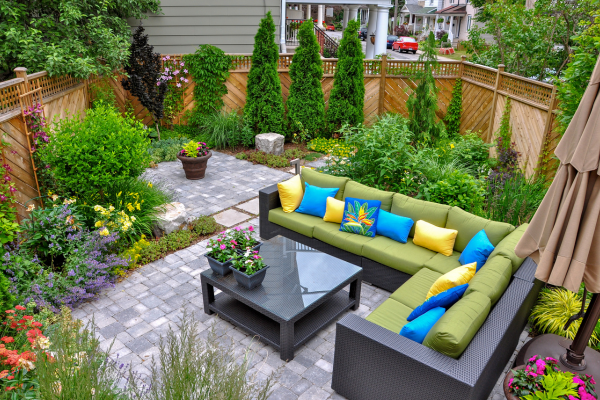
A well-designed patio also serves as the foundation for an inviting outdoor living space, helping connect the home with the surrounding landscape.
Walkways Improve Safety And Accessibility
Walking across uneven lawns or worn paths can become inconvenient, especially after rain.
Walkways create designated routes that help people move comfortably throughout the property.
Benefits of walkways include:
- Easier access to entrances
- Improved safety
- Reduced lawn wear
- Better drainage control
- Cleaner movement during wet weather
Connecting patios, driveways, gardens, and entrances with walkways creates a more organized landscape.
Hardscaping Helps Organize Your Yard
Many yards contain several different activity areas.
These may include:
- Lawn space
- Garden beds
- Patios
- Outdoor seating
- Play areas
- Landscape beds
Without clear separation, the landscape may feel cluttered or difficult to navigate.
Hardscaping provides visual structure that helps define each area while improving the overall flow of the property.
Turn Sloped Areas Into Functional Spaces
Sloped yards often limit how homeowners use their property.
Steep grades can make mowing difficult and reduce the amount of level space available.
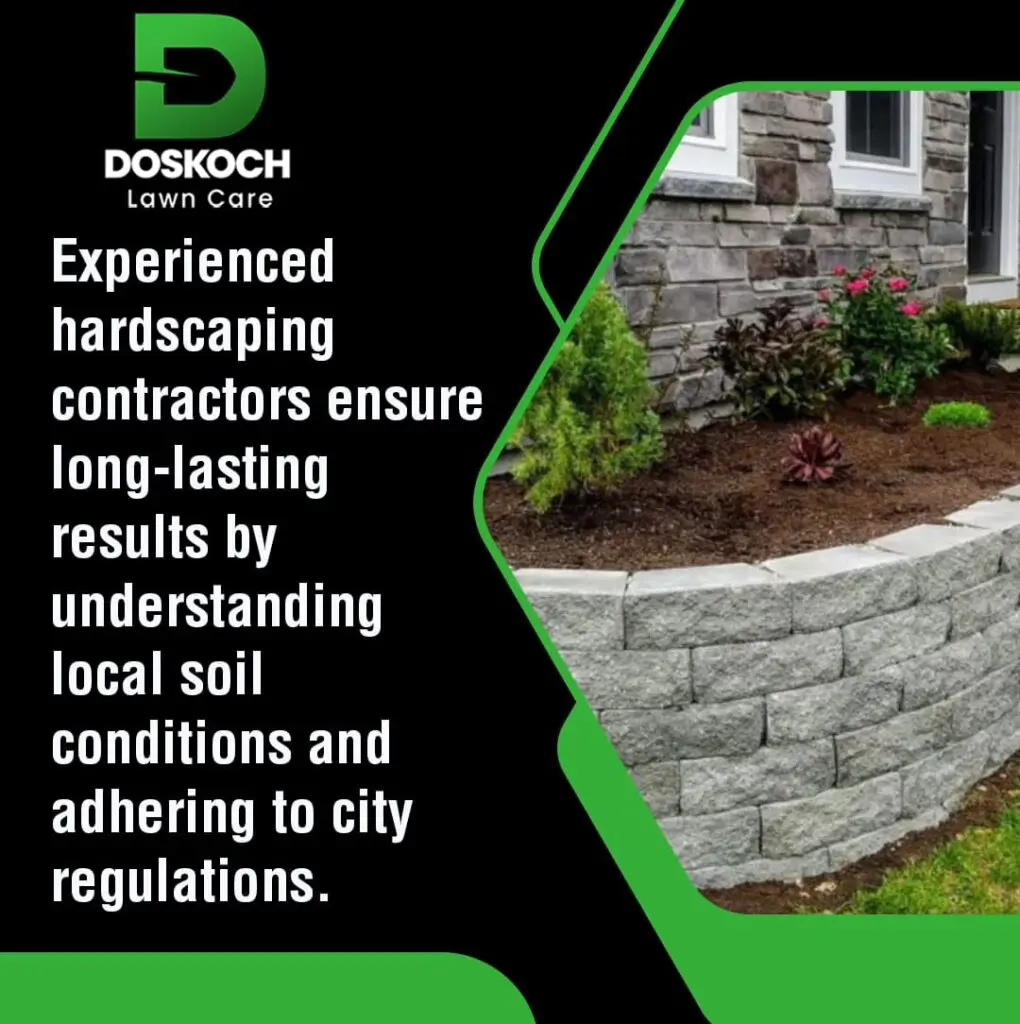
Depending on the site’s layout, retaining walls and other hardscape features may help create flatter areas that can support patios, planting beds, or walkways.
Addressing elevation changes through thoughtful custom hardscape design allows more of the yard to become usable.
Create Better Connections Around The Property
Many homeowners naturally move between:
- Front entrance
- Backyard
- Garage
- Patio
- Garden
- Driveway
Without defined pathways, repeated foot traffic can create worn areas in the lawn.
Walkways help connect these locations while encouraging more efficient movement throughout the landscape.
Make Outdoor Spaces Easier To Maintain
Grass requires regular mowing, watering, edging, and seasonal care.
Hardscape surfaces generally require different maintenance routines than lawns and planting beds.
While patios and walkways still benefit from periodic cleaning and inspection, they eliminate the need for mowing in those areas and help reduce soil disturbance caused by foot traffic.
Improve Drainage Planning
Proper drainage is an important consideration for nearly every landscape improvement.
During the planning process, hardscaping projects may incorporate grading and drainage considerations that help direct water more effectively across the property.
Managing water movement can help reduce erosion, standing water, and other landscape challenges.
Every property has unique drainage conditions that should be evaluated individually.
Extend Outdoor Living Opportunities
Creating an inviting outdoor living space encourages homeowners to spend more time outdoors.
Depending on the available space, patios may support:
- Outdoor furniture
- Dining tables
- Conversation areas
- Decorative landscaping
These spaces allow homeowners to enjoy their yard for relaxation or gatherings while maintaining a clean, organized appearance.
Increase Curb Appeal
Hardscaping often enhances both the appearance and functionality of a home.
Features such as attractive walkways, well-designed patios, and stone borders provide visual interest while complementing the home’s architecture.
Because hardscape elements remain visible throughout much of the year, they continue contributing to curb appeal even after seasonal plants have gone dormant.
Blend Hardscaping With Landscaping
Hardscaping and landscaping work best when planned together.
Patios, walkways, and retaining walls can complement:
- Landscape beds
- Trees
- Shrubs
- Decorative mulch
- Lawn areas
This balance creates a landscape that feels both functional and visually appealing.
Rather than competing with plantings, hardscape features often highlight them.
Consider Property Traffic Patterns
Before beginning a hardscaping project, it helps to think about how the property is used every day.
Ask questions such as:
- Where do people naturally walk?
- Which areas receive the most traffic?
- Which spaces are rarely used?
- Where does water collect?
- Which areas feel disconnected?
Answering these questions can guide the layout of patios and walkways while improving overall functionality.
Working With A Professional Hardscaping Contractor
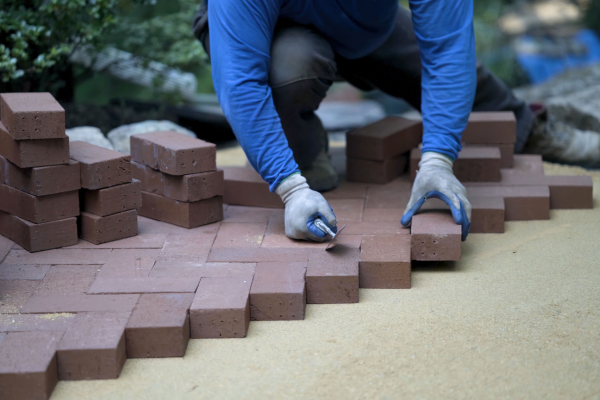
Every property presents unique opportunities and challenges.
Factors such as:
- Property size
- Existing landscaping
- Soil conditions
- Elevation changes
- Drainage
- Home layout
all influence the design of patios, walkways, and other hardscape features.
A professional evaluation helps determine which improvements best match the property’s layout and the homeowner’s goals.
Creating More Usable Outdoor Space
Thoughtful planning, proper drainage considerations, and designs tailored to the property’s unique features all contribute to long-lasting landscape improvements. If you’re ready to enhance your property with professionally designed patios, walkways, or other hardscape features, contact Doskoch Lawn Care & Landscaping Services at 440-482-9699 to learn more about creating an outdoor space that fits your Northeast Ohio home.
Frequently Asked Questions
1. What is considered hardscaping?
Hardscaping refers to the permanent, non-living features in a landscape, such as patios, walkways, retaining walls, stone steps, and similar structures. These elements help define outdoor spaces, improve accessibility, and create functional areas that complement lawns, gardens, and other landscape features.
2. How can hardscaping create more usable space in a small yard?
Hardscaping Northeast Ohio projects can make a small yard feel more functional by creating designated areas for walking, seating, or entertaining. Features such as patios and walkways help organize the landscape, allowing homeowners to make better use of available space without expanding the property’s footprint.
3. What is the difference between landscaping and hardscaping?
Landscaping generally includes living elements such as grass, trees, shrubs, flowers, and garden beds, while hardscaping focuses on permanent features made from materials like stone, brick, or concrete pavers. Many outdoor projects combine both to create a balanced and functional landscape design.
4. Why should I include walkways in a hardscape design?
Walkways provide safe, designated paths that connect different areas of a property. They can reduce wear on the lawn, improve accessibility during wet weather, and create a more organized layout that makes moving around the yard easier throughout the year.
5. Can a patio increase the functionality of an outdoor living space?
Yes, a patio can serve as a central gathering area for dining, relaxing, or spending time outdoors. By providing a stable surface for furniture and everyday activities, patios often become the foundation of a comfortable outdoor living space that integrates well with the surrounding landscape.
6. How do I know if my yard would benefit from a custom hardscape design?
A custom hardscape design may be worth considering if your property has underused areas, uneven terrain, worn walking paths, or outdoor spaces that feel disconnected. Evaluating how your family uses the yard can help identify opportunities to improve both functionality and appearance.
7. Can hardscaping help with sloped or uneven yards?
Hardscaping can often improve sloped or uneven properties by incorporating features such as retaining walls, steps, or terraced areas where appropriate. The right solution depends on the property’s elevation, drainage, and overall layout, so each project should be evaluated individually.
8. What should I consider before starting a hardscaping project?
Before beginning a hardscaping project, it is helpful to consider drainage, existing landscaping, traffic patterns, available space, and how the outdoor area will be used. Planning these details early can help ensure the finished design works well with the property’s natural features.
9. What materials are commonly used for hardscaping in Northeast Ohio?
Hardscaping Northeast Ohio projects commonly use materials such as concrete pavers, natural stone, brick, and retaining wall blocks. Material selection often depends on the desired appearance, intended use, site conditions, and how the new features will complement the existing landscape.
10. When is a good time to plan a hardscaping project?
Late summer is often a practical time to evaluate outdoor spaces because homeowners have spent months using their yards and can more easily identify areas that could be improved. Planning ahead also provides time to develop a design that fits the property’s layout and long-term goals before future landscape projects begin.

Nic Doskoch is the owner of Doskoch Lawn Care & Landscaping Services LLC, founded in 2018 and based in Bay Village, Ohio. Serving Northeast Ohio, Nic and his team specialize in a full range of landscaping and property maintenance services, including lawn care, landscape design, hardscaping, mulching, sod installation, and snow plowing. Known for quality craftsmanship and exceptional customer service, Nic has built a trusted reputation by transforming outdoor spaces with attention to detail and a commitment to client satisfaction.