
Northeast Ohio properties come in many shapes and elevations. While some yards are relatively flat, others include hillsides, sloped lawns, uneven terrain, or areas where soil naturally shifts over time. These conditions can create challenges for homeowners, especially after periods of heavy rain or seasonal freeze-thaw cycles. When erosion, drainage issues, or unstable slopes begin affecting the safety, appearance, or usability of a property, a retaining wall may become an important part of the landscape.
A properly designed retaining wall Northeast Ohio homeowners install is more than a decorative hardscape feature. It helps stabilize soil, manage changes in elevation, reduce erosion, and create usable outdoor spaces. Understanding the warning signs can help homeowners recognize when a retaining wall may be beneficial and when it may be time to consult a retaining wall contractor.
If you have noticed shifting soil, steep slopes, or recurring drainage concerns, learning how retaining walls work can help you make informed decisions about protecting your landscape.
What Is A Retaining Wall?
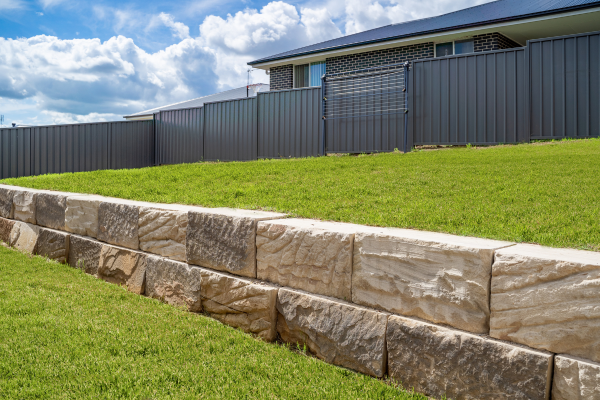
A retaining wall is a hardscape structure built to hold soil in place where there is a change in elevation. Instead of allowing soil to move downhill naturally, the wall helps stabilize the slope and manage the pressure created by the retained earth.
Retaining walls are commonly used to:
- Stabilize hillsides
- Reduce soil erosion
- Create level planting areas
- Improve drainage management
- Increase usable outdoor space
- Support landscaping on sloped properties
When incorporated into hardscaping Northeast Ohio projects, retaining walls can improve both the function and appearance of a yard.
Why Northeast Ohio Properties Often Need Retaining Walls
Several regional conditions make retaining walls more common throughout Northeast Ohio.
These include:
- Rolling terrain
- Clay-heavy soils
- Seasonal freeze-thaw cycles
- Heavy spring and summer rainfall
- Soil movement over time
Clay soil tends to hold moisture longer than sandy soil. During periods of heavy rain, saturated soil may become unstable, especially on sloped properties. Over time, this can contribute to erosion and shifting ground.
A retaining wall helps manage these conditions by providing structural support where changes in elevation occur.
Sign #1: Soil Erosion On Slopes
One of the clearest signs that a retaining wall may be needed is visible soil erosion.
Erosion occurs when rainwater gradually carries soil downhill.
You may notice:
- Exposed plant roots
- Bare soil patches
- Small channels forming in the ground
- Mulch repeatedly washing away
- Landscape beds losing soil after storms
If erosion continues season after season, it can eventually affect both landscaping and property stability.
A retaining wall helps hold soil in place while reducing the amount of runoff moving across the slope.
Sign #2: Steep Or Difficult-To-Maintain Slopes
Some properties include hillsides that are difficult to mow, landscape, or safely access.
Steep slopes may create challenges such as:
- Limited planting options
- Difficult lawn maintenance
- Uneven growing conditions
- Increased runoff during rainstorms
A retaining wall can divide a steep slope into more manageable levels, creating flatter areas that are easier to maintain.
Terraced landscapes also provide additional opportunities for planting beds and other landscape features.
Sign #3: Water Pooling Or Drainage Problems
Poor drainage often accompanies grading issues.
If water regularly collects near slopes or flows rapidly downhill after storms, grading improvements and retaining walls may be considered together.
Signs include:
- Standing water
- Soil washing into lower areas
- Wet spots remaining after rain
- Water moving through planting beds
While retaining walls are not drainage systems by themselves, they are often designed alongside drainage considerations to help manage water movement more effectively.
Proper drainage planning is an important part of retaining wall construction.
Sign #4: Shifting Or Settling Soil
Ground movement may become noticeable over time.
Watch for:
- Soil pulling away from sidewalks
- Uneven planting beds
- Small depressions
- Areas where landscaping repeatedly shifts
These conditions may indicate that soil movement is occurring.
A retaining wall may help stabilize affected sections of the property by reducing continued movement.
Sign #5: Mulch Constantly Washing Away
Landscape mulch helps retain moisture, suppress weeds, and improve curb appeal.
However, on sloped properties, mulch may repeatedly wash downhill after heavy rain.
If mulch must be replaced frequently because runoff continues moving it out of planting beds, erosion may be contributing to the problem.
A retaining wall can help reduce this movement by creating more stable planting areas.
Sign #6: Exposed Tree Or Shrub Roots
As erosion removes soil, plant roots may become exposed.
Exposed roots can:
- Reduce plant stability
- Increase moisture loss
- Leave plants vulnerable to damage
- Affect long-term plant health
If multiple trees or shrubs show exposed roots on a slope, soil movement may be occurring gradually over time.
Stabilizing the slope can help reduce additional soil loss.
Sign #7: Limited Usable Yard Space
Many sloped yards provide less functional outdoor space.
Homeowners may find that steep hillsides cannot easily be used for:
- Seating areas
- Planting beds
- Outdoor gathering spaces
- General recreation
Retaining walls can create level sections within the landscape, allowing portions of the yard to become more usable while maintaining stability.
Sign #8: Existing Retaining Wall Damage
Some properties already have retaining walls.
Over time, these structures may show signs that retaining wall repair should be considered.
Common warning signs include:
- Leaning walls
- Cracks
- Bulging sections
- Loose blocks
- Soil escaping through joints
- Drainage problems behind the wall
These conditions should not be ignored because retaining walls are structural landscape features designed to support soil.
Understanding The Importance Of Proper Drainage
Drainage is one of the most important considerations when building a retaining wall.
Water naturally builds pressure behind retaining structures.
Without appropriate drainage planning, excess moisture may increase stress on the wall over time.
Professional retaining wall installation typically considers:
- Water movement
- Soil conditions
- Site grading
- Drainage needs
Proper planning helps the wall function effectively within the overall landscape.
The Importance Of Professional Site Evaluation
Every property is unique.
Factors such as:
- Soil type
- Slope angle
- Drainage
- Existing landscaping
- Water flow
- Property layout
all influence whether a retaining wall is appropriate.
A professional retaining wall contractor can evaluate site conditions and recommend solutions based on the property’s specific needs.
Rather than focusing only on the wall itself, the evaluation considers how the retaining wall fits into the overall landscape.
Retaining Walls In Northeast Ohio
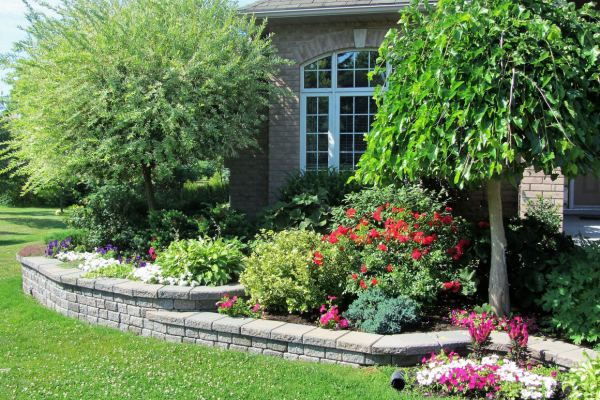
A well-designed retaining wall can help stabilize sloped areas, support proper drainage, and create more usable outdoor spaces while complementing other hardscaping Northeast Ohio features. If you are experiencing erosion or believe your property could benefit from a retaining wall or retaining wall repair, Doskoch Lawn Care & Landscaping Services can evaluate your landscape and discuss hardscaping solutions tailored to your Northeast Ohio property. Call 440-482-9699 to learn more about professional retaining wall and hardscaping services.
Frequently Asked Questions
1. What are the most common signs that a retaining wall may be needed?
Visible soil erosion, steep slopes, washed-out mulch, exposed roots, and recurring drainage problems are some of the most common signs that a retaining wall may be beneficial. These conditions can indicate that soil is moving over time and that the landscape may need additional support. A property evaluation can help determine whether a retaining wall or another solution is appropriate.
2. Can a retaining wall help stop soil erosion?
A retaining wall can often help reduce soil erosion by holding soil in place on sloped areas. When combined with proper grading and drainage, it may limit the movement of soil caused by rainfall and runoff. The effectiveness of a retaining wall depends on factors such as the property’s slope, soil conditions, and overall landscape design.
3. How do I know if my slope is too steep to manage without a retaining wall?
A slope that is difficult to mow, frequently erodes, or experiences repeated soil movement may require additional stabilization. If landscaping struggles to remain in place or runoff consistently causes damage, consulting a retaining wall contractor can help determine whether a retaining wall or another grading solution is appropriate for the site.
4. Can a retaining wall improve drainage problems?
A retaining wall may help manage certain drainage challenges when it is designed as part of a comprehensive landscape plan. Proper drainage features are often incorporated into retaining wall construction to help control water movement and reduce pressure behind the wall. Drainage needs vary from one property to another, so each site should be evaluated individually.
5. What causes retaining walls to fail or become damaged?
Retaining walls may develop problems due to poor drainage, shifting soil, age, freeze-thaw cycles, or structural wear over time. Warning signs can include leaning, cracking, bulging sections, or loose blocks. Identifying these issues early may allow for retaining wall repair before more extensive damage occurs.
6. Is retaining wall repair always necessary if a wall has small cracks?
Not every crack automatically means a retaining wall requires major repairs, but cracks should not be ignored. Small cosmetic imperfections may be harmless, while larger or expanding cracks can indicate structural movement. A professional inspection can help determine whether monitoring, maintenance, or retaining wall repair is the most appropriate course of action.
7. Can a retaining wall create more usable space in my yard?
Yes, retaining walls can often make sloped properties more functional by creating level areas for landscaping or outdoor living features. While the amount of usable space depends on the property’s layout, retaining walls are commonly used in hardscaping projects to improve both accessibility and landscape organization.
8. When is the best time of year to install a retaining wall in Northeast Ohio?
Many retaining wall projects can be completed during much of the landscaping season, depending on weather and site conditions. Late summer and early fall are often good times to evaluate erosion, grading, and slope concerns because they become more visible after months of rainfall and outdoor use. Scheduling may vary based on project complexity and local conditions.
9. How does a retaining wall fit into a hardscaping project?
A retaining wall often serves both structural and aesthetic purposes within a hardscaping Northeast Ohio project. It may complement patios, walkways, steps, landscape beds, and other outdoor features while helping manage changes in elevation. Integrating these elements into a cohesive design can improve both the function and appearance of a landscape.
10. Should I contact a retaining wall contractor if erosion is getting worse?
If erosion continues to worsen despite routine landscape maintenance, it is generally a good idea to have the property evaluated. A retaining wall contractor can assess factors such as slope, drainage, soil movement, and grading to determine whether a retaining wall or another landscape solution may be appropriate for the specific conditions.

Nic Doskoch is the owner of Doskoch Lawn Care & Landscaping Services LLC, founded in 2018 and based in Bay Village, Ohio. Serving Northeast Ohio, Nic and his team specialize in a full range of landscaping and property maintenance services, including lawn care, landscape design, hardscaping, mulching, sod installation, and snow plowing. Known for quality craftsmanship and exceptional customer service, Nic has built a trusted reputation by transforming outdoor spaces with attention to detail and a commitment to client satisfaction.