
As August draws to a close in Northeast Ohio, homeowners often begin thinking about the changing seasons. While summer flowers may still be blooming and lawns remain green, fall is just around the corner. This makes late summer the perfect time to prepare landscape beds before cooler temperatures arrive.
Proper fall landscape bed preparation is about more than making your yard look neat. It helps create healthier growing conditions, protects plants heading into autumn, and makes seasonal maintenance more manageable. Simple tasks such as weeding, edging, refreshing mulch, and removing debris can improve the appearance of your landscape while supporting plant health through the changing seasons.
Rather than waiting until leaves begin falling or temperatures drop, August provides an excellent opportunity to evaluate your landscape beds and complete important maintenance before fall arrives.
Why August Is The Right Time To Prepare
Late summer serves as a transition period for landscapes throughout Northeast Ohio. Plants are still actively growing, but the intense heat of midsummer often begins to moderate. At the same time, homeowners can clearly identify areas that need attention before autumn weather arrives.
Preparing landscape beds during August offers several advantages:
- Beds are easier to inspect before leaves begin falling.
- Weeds are easier to identify and remove.
- Mulch levels can be evaluated after a summer of storms and sun exposure.
- Garden bed edges remain visible for reshaping.
- Cleanup now helps reduce maintenance later in the fall.
Completing these tasks before colder weather allows homeowners to enter the fall season with cleaner, healthier landscape beds.
Start With A Complete Inspection
Every successful landscape maintenance plan begins with a careful inspection.
Walk around your property and examine each landscape bed individually. Look for areas that appear overgrown, uneven, or neglected.
Pay attention to:
- Weed growth
- Bare mulch
- Exposed soil
- Damaged plants
- Washed-out areas
- Encroaching grass
- Fallen branches or debris
Taking time to evaluate the entire landscape helps prioritize which areas need the most attention.
Remove Weeds Before They Spread
One of the most important parts of fall landscape bed preparation is removing weeds.
By late summer, many weeds have had months to grow. If left alone, they may continue spreading seeds that create additional problems during future growing seasons.
Removing weeds before they mature helps reduce future weed pressure.
When weeding:
- Remove the entire root whenever possible.
- Pull weeds before they flower or produce seeds.
- Dispose of removed weeds rather than leaving them in the bed.
- Work carefully around desirable plants.
Regular weeding also improves the appearance of landscape beds almost immediately.
Clean Out Dead Plant Material
During summer, some annuals, perennials, or smaller plants may develop dead foliage, damaged stems, or spent blooms.
Cleaning up dead plant material helps landscape beds look maintained while improving air circulation around healthy plants.
Tasks may include:
- Removing dead leaves
- Trimming broken stems
- Cleaning up fallen plant debris
- Removing damaged annuals that have completed their season
Only remove plant material that is clearly dead or damaged. Major pruning should always be performed according to the needs of specific plant species.
Redefine Landscape Bed Edges
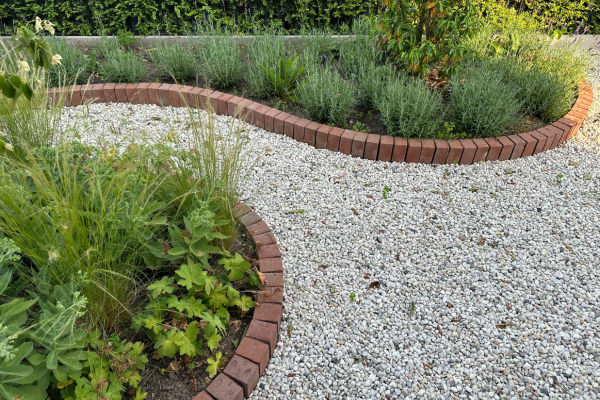
Clean edges are one of the easiest ways to improve curb appeal.
Over the course of summer, grass often begins creeping into planting beds. Bed edges may also become less defined after mowing, rain, and regular yard activity.
Reshaping landscape edges helps:
- Create cleaner visual lines
- Keep mulch contained
- Prevent turf from invading beds
- Make future mowing easier
Even without adding new plants, freshly edged beds give the landscape a more organized appearance.
Evaluate Existing Mulch
Mulch naturally breaks down over time. Summer storms, wind, sunlight, and routine maintenance can also cause mulch to shift or thin.
Walk through each planting bed and look for:
- Exposed soil
- Thin mulch coverage
- Uneven mulch depth
- Washed-out areas
- Weed growth through mulch
A consistent mulch layer helps protect plant roots while improving the overall appearance of the landscape.
Refresh Mulch Where Needed
If mulch has become thin or uneven, a light touch-up may be beneficial before fall.
Mulch provides several important functions:
- Helps retain soil moisture
- Moderates soil temperature
- Suppresses weeds
- Protects plant roots
- Gives beds a finished appearance
Generally, maintaining approximately two to three inches of mulch is sufficient for most landscape beds.
Avoid piling mulch directly against tree trunks or shrub stems, as excessive mulch around the base of plants may create moisture-related problems.
Remove Summer Debris
Summer storms often leave behind small branches, leaves, seed pods, and other debris.
Cleaning these materials from landscape beds improves both appearance and plant health.
Pay particular attention to:
- Branches under shrubs
- Leaves trapped beneath groundcovers
- Debris collecting around ornamental grasses
- Twigs accumulating along bed edges
A clean planting bed is easier to maintain as fall progresses.
Monitor Drainage Problems
August thunderstorms provide valuable information about how water moves across your property.
Look for areas where:
- Water pools
- Mulch washes away
- Soil erodes
- Plants remain overly wet
Identifying drainage concerns before fall helps homeowners understand which areas may benefit from future improvements.
Good drainage supports healthier roots and reduces unnecessary stress on landscape plants.
Check For Soil Compaction
Many Northeast Ohio properties contain clay-heavy soil that can become compacted over time.
Compacted soil limits:
- Air movement
- Water infiltration
- Root growth
- Nutrient availability
Signs of compaction include:
- Hard soil
- Poor drainage
- Thin plant growth
- Water running off rather than soaking in
Recognizing compacted areas now allows homeowners to plan future landscape improvements.
Evaluate Plant Health
Late summer provides an excellent opportunity to observe how plants performed throughout the growing season.
Ask yourself:
- Which plants thrived?
- Which struggled?
- Were certain plants affected by too much sun?
- Did some remain consistently wet?
- Did any areas become overcrowded?
These observations can help guide future landscape decisions.
Healthy plants entering fall are generally better prepared for seasonal changes.
Remove Grass Growing Into Beds
Grass creeping into planting beds can compete with ornamental plants for moisture and nutrients. Regular removal helps preserve the appearance and function of landscape beds. Maintaining clearly separated lawn and planting areas also simplifies mowing and trimming throughout the remainder of the season.
Inspect Trees And Shrubs
Late summer storms occasionally damage branches or create safety concerns.
Inspect larger landscape plants for:
- Broken limbs
- Dead branches
- Storm damage
- Leaning growth
- Areas requiring cleanup
Removing damaged material helps maintain the appearance of the landscape while reducing unnecessary hazards.
Prepare Beds For Fall Leaves
Although significant leaf drop usually occurs later, preparing beds now makes autumn maintenance easier.
Clean, freshly mulched beds allow fallen leaves to be removed more efficiently without disturbing weeds or accumulated debris.
Planning ahead reduces the amount of work required once leaves begin falling.
Common Mistakes To Avoid
Several mistakes can reduce the effectiveness of fall landscape bed preparation.
Avoid:
- Leaving weeds until fall
- Ignoring damaged mulch
- Allowing grass to spread into beds
- Skipping drainage inspections
- Piling mulch too deeply
- Leaving storm debris in planting areas
Addressing these issues during August helps create healthier landscape beds for the months ahead.
Why Consistent Maintenance Matters
Landscape beds benefit from regular attention throughout the growing season. Small maintenance tasks completed consistently often prevent larger problems later.
Routine care supports:
- Cleaner appearance
- Healthier plants
- Better weed control
- Easier seasonal maintenance
- Improved curb appeal
Rather than waiting until beds become overgrown, ongoing maintenance keeps the landscape looking its best year-round.
Preparing For The Changing Season
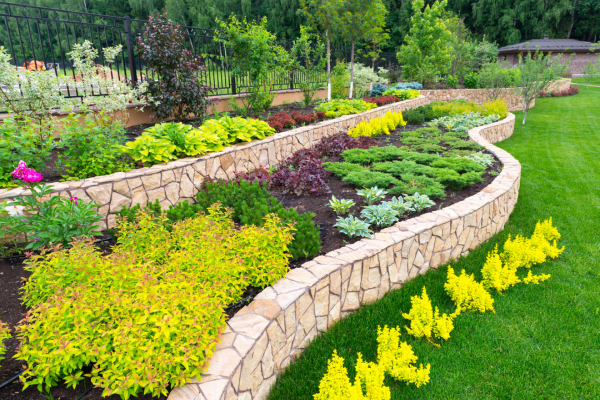
Late summer is the perfect time to transition your landscape from active summer growth toward fall maintenance.
By focusing on:
- Weeding
- Edging
- Mulch touch-ups
- Debris removal
- Drainage observation
- Plant inspection
Homeowners can help create healthier growing conditions while improving the overall appearance of their property. These simple steps make fall maintenance more manageable and help protect landscape beds as cooler weather approaches.
Fall Landscape Bed Preparation
If your landscape beds need professional attention before fall arrives, Doskoch Lawn Care & Landscaping Services can help with weeding, mulching, edging, and seasonal landscape maintenance. Call 440-482-9699 to learn more about preparing your Northeast Ohio landscape for the seasons ahead.
10 Frequently Asked Questions (FAQs)
1. Why Should I Prepare My Landscape Beds Before Fall?
Preparing landscape beds before fall helps improve their appearance, supports plant health, reduces weed growth, and makes seasonal maintenance easier as cooler weather approaches.
2. When Should I Start Fall Landscape Bed Preparation?
Late summer, especially August, is a good time to begin preparing landscape beds because plants are still active, weeds are easy to identify, and beds can be cleaned before leaves begin falling.
3. Why Is Weeding Important Before Fall?
Removing weeds before fall helps prevent them from producing seeds that can create additional weed problems in future growing seasons.
4. Why Should I Refresh Mulch Before Autumn?
Refreshing mulch helps retain soil moisture, regulate soil temperature, suppress weeds, protect plant roots, and improve the overall appearance of landscape beds.
5. How Much Mulch Should Be Applied To Landscape Beds?
A mulch layer of approximately two to three inches is generally sufficient for most landscape beds. Avoid piling mulch directly against tree trunks or shrub stems.
6. Why Should Landscape Bed Edges Be Maintained?
Clean, well-defined edges improve curb appeal, help prevent grass from spreading into planting beds, keep mulch contained, and make mowing easier.
7. What Should I Remove From Landscape Beds Before Fall?
Remove weeds, dead leaves, damaged plant material, fallen branches, twigs, and other debris to keep landscape beds clean and healthy before colder weather arrives.
8. Why Should I Inspect Drainage During Late Summer?
Summer storms can reveal areas where water pools, mulch washes away, or soil erodes. Identifying drainage issues before fall helps homeowners plan future improvements.
9. How Can I Tell If My Landscape Beds Have Compacted Soil?
Signs of soil compaction include hard soil, poor drainage, thin plant growth, and water running off instead of soaking into the ground.
10. Why Is Consistent Landscape Bed Maintenance Important?
Regular maintenance helps control weeds, improve curb appeal, support healthier plants, simplify seasonal cleanup, and keep landscape beds looking their best throughout the year.

Nic Doskoch is the owner of Doskoch Lawn Care & Landscaping Services LLC, founded in 2018 and based in Bay Village, Ohio. Serving Northeast Ohio, Nic and his team specialize in a full range of landscaping and property maintenance services, including lawn care, landscape design, hardscaping, mulching, sod installation, and snow plowing. Known for quality craftsmanship and exceptional customer service, Nic has built a trusted reputation by transforming outdoor spaces with attention to detail and a commitment to client satisfaction.