

June is one of the most important months for lawn care in Northeast Ohio. As temperatures rise and grass begins to slow its growth compared to spring, weeds often become more aggressive and noticeable. Homeowners want to take action quickly—but summer is also when lawns are more vulnerable to stress. That means weed control has to be done carefully to avoid damaging healthy turf.
If you live in Cleveland, Westlake, or Bay Village, your lawn is most likely made up of cool-season grasses. These grasses perform best in spring and fall but can struggle in the heat of early summer. At the same time, many weeds thrive in warmer conditions, creating a situation where weeds can outcompete grass if the lawn is not properly maintained.
The key to controlling weeds in June is not just eliminating them, but doing so in a way that supports lawn health instead of weakening it.
Why Weed Control Is Different In June
June sits at a transition point between spring growth and summer stress. During this time:
- Grass is still actively growing but beginning to slow
- Soil temperatures are warm enough for weed seeds to germinate
- Rainfall patterns may become inconsistent
- Heat stress can begin to affect turf
Because of these factors, aggressive weed control methods that might work in spring can be too harsh in June. The goal shifts toward managing weeds while protecting the lawn from stress.
Focus On Lawn Strength First
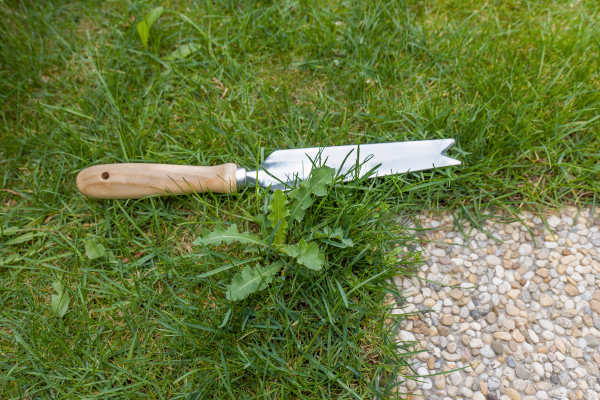
The most effective way to control weeds is to create conditions where grass can outcompete them. A dense, healthy lawn leaves little room for weeds to establish.
In June, this means focusing on:
- Proper mowing height
- Consistent watering
- Avoiding unnecessary stress
Weeds often appear where grass is thin or weak. Strengthening the lawn reduces future weed pressure.
Mow Higher To Reduce Weed Growth
One of the simplest adjustments you can make in June is raising your mowing height.
Cool-season grasses in Northeast Ohio generally perform best when maintained between about 2.5 and 4 inches. In early summer, it is often better to stay closer to the higher end of that range.
Taller grass helps in several ways:
- It shades the soil, limiting sunlight that weed seeds need to germinate
- It helps the lawn retain moisture during warmer days
- It encourages deeper root growth
Cutting grass too short exposes soil and creates ideal conditions for weeds to spread.
Follow The One-Third Rule
The one-third rule is especially important in June. You should never remove more than one-third of the grass blade in a single mowing.
Cutting too much at once can:
- Stress the grass
- Reduce its ability to recover
- Create openings for weeds
If your lawn grows quickly after rain, increase mowing frequency rather than cutting it shorter.
Water Deeply And Consistently
Watering is one of the most important factors in summer weed control.
The goal is to encourage deep root growth, which helps grass compete more effectively with weeds.
Best practices include:
- Watering early in the morning
- Watering deeply rather than frequently
- Avoiding evening watering that can leave grass wet overnight
Shallow watering encourages shallow roots, which makes grass more vulnerable to drought and weed competition.
Be Careful With Herbicides In June
One of the biggest mistakes homeowners make is applying weed control products during hot weather without considering lawn stress.
In June:
- Avoid applying herbicides during high heat
- Do not treat the entire lawn unless necessary
- Focus on spot treatments instead
Applying herbicides when temperatures are too high can damage grass, causing discoloration or weakening the lawn.
Always follow product instructions carefully and avoid applying during the hottest part of the day.
Use Spot Treatments Instead Of Blanket Applications
Targeting specific weeds is a safer and more effective approach in early summer.
Spot treatment allows you to:
- Minimize stress on healthy grass
- Reduce chemical use
- Focus on problem areas
This is especially useful for broadleaf weeds like dandelions and clover that appear in isolated patches.
Hand-Pulling Can Be Effective
For smaller areas, manual removal is one of the safest weed control methods.
June is a good time for hand-pulling because:
- Soil is often still soft from spring moisture
- Weeds are visible before they fully mature
When pulling weeds:
- Remove the entire root whenever possible
- Pull after watering or rainfall for easier removal
- Dispose of weeds so they do not reseed
This method works well for weeds that grow individually rather than spreading rapidly.
Prevent Weeds From Spreading in Landscape Beds
Weeds often spread from garden beds into lawns.
Applying mulch in beds helps reduce this problem by:
- Blocking sunlight from reaching weed seeds
- Retaining moisture in the soil
- Improving the appearance of the landscape
A mulch layer of about 2 to 3 inches is generally effective. Keeping beds maintained reduces the number of weeds that can spread into turf areas.
Avoid Over-Fertilizing In Summer
Fertilizing at the wrong time or using too much product in June can stress your lawn.
Excess nutrients during hot weather can:
- Encourage rapid top growth instead of root development
- Increase susceptibility to disease
- Weaken the lawn during heat stress
If fertilization is needed, it should be done carefully and according to recommended guidelines for cool-season grasses.
Address Soil Compaction
In areas with heavy foot traffic, soil can become compacted. This is common in Northeast Ohio due to clay-heavy soil conditions.
Compacted soil makes it harder for grass roots to grow, which can lead to thinning turf and increased weed growth.
While major aeration is typically done in fall or spring, recognizing compacted areas in June helps you plan for future improvements.
Understand That Weeds Often Signal Bigger Issues
Weeds are not always the main problem. They often indicate underlying conditions such as:
- Poor soil health
- Drainage issues
- Thin or stressed turf
For example:
- Weeds in consistently wet areas may indicate drainage problems
- Weeds in dry, thin areas may indicate poor root development
Addressing these conditions improves lawn health and reduces future weed problems.
Monitor Your Lawn Regularly
June is a time when conditions can change quickly. Regularly checking your lawn helps you catch issues early.
Look for:
- New weed growth
- Areas where grass is thinning
- Signs of stress such as discoloration
Early action is usually easier and less disruptive than waiting until weeds spread.
Avoid Common Summer Weed Control Mistakes
Several common mistakes can make weed problems worse in June:
- Mowing too short
- Applying herbicides during extreme heat
- Overwatering or underwatering
- Ignoring soil conditions
- Treating the entire lawn unnecessarily
Avoiding these mistakes helps protect your lawn while still managing weeds effectively.
Plan Ahead For Long-Term Control
While June is focused on managing existing weeds, long-term control involves planning beyond summer.
- Fall is ideal for overseeding to thicken turf
- Spring is the best time for preventing certain weeds before they emerge
A year-round approach leads to better results than reacting only during peak weed season.
When Professional Lawn Care May Help
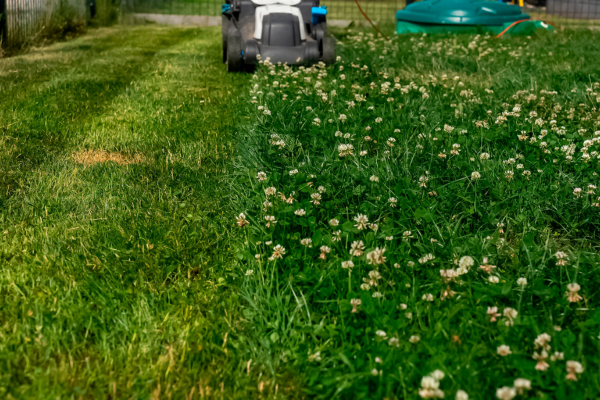
If weeds continue to spread or your lawn struggles to recover, professional lawn care can provide a more structured approach.
A professional service can:
- Identify weed types accurately
- Apply treatments at appropriate times
- Improve soil conditions
- Develop a seasonal care plan
Doskoch Landscaping works with homeowners throughout Northeast Ohio to create lawn care programs that support healthy growth while managing weeds effectively.
Doskoch Controls Weeds In June
If you need help managing weeds or maintaining your lawn this summer, Doskoch Lawn Care & Landscaping Services offers services tailored to Northeast Ohio conditions. Visit their services to learn more about seasonal lawn care solutions.
Common FAQs About Weed Control
1. Why Is Weed Control More Difficult In June?
Weed control is more challenging in June because lawns begin to experience heat stress while weeds continue to grow aggressively. This makes it important to control weeds without further stressing the grass.
2. What Type Of Grass Is Most Common In Northeast Ohio Lawns?
Most lawns in Northeast Ohio are made up of cool-season grasses, which grow best in spring and fall but can struggle during early summer heat.
3. What Is The Best Way To Prevent Weeds In Summer?
The best approach is to maintain a thick, healthy lawn. Proper mowing height, consistent watering, and avoiding stress help grass outcompete weeds naturally.
4. How Tall Should I Mow My Lawn In June?
Cool-season grasses should generally be maintained between about 2.5 and 4 inches. Keeping grass slightly taller in June helps shade the soil and reduce weed growth.
5. What Is The One-Third Rule In Mowing?
The one-third rule means you should never remove more than one-third of the grass blade in a single mowing to avoid stressing the lawn and creating space for weeds.
6. How Should I Water My Lawn To Help Control Weeds?
Water deeply and less frequently, preferably in the early morning. This encourages deeper roots and helps grass compete better with weeds.
7. Should I Use Herbicides In June?
Herbicides should be used carefully in June. Avoid applying them during high heat and focus on spot treatments instead of treating the entire lawn.
8. Is Hand-Pulling Weeds Effective In Summer?
Yes, hand-pulling can be effective for small infestations, especially when soil is moist. Removing the entire root helps prevent regrowth.
9. Why Are Weeds Growing In Certain Areas Of My Lawn?
Weeds often indicate underlying issues such as poor soil health, compaction, drainage problems, or thin grass coverage.
10. When Should I Focus On Long-Term Weed Prevention?
Long-term weed prevention should include planning beyond summer. Fall is ideal for overseeding, while spring is best for preventing weeds before they emerge.

Nic Doskoch is the owner of Doskoch Lawn Care & Landscaping Services LLC, founded in 2018 and based in Bay Village, Ohio. Serving Northeast Ohio, Nic and his team specialize in a full range of landscaping and property maintenance services, including lawn care, landscape design, hardscaping, mulching, sod installation, and snow plowing. Known for quality craftsmanship and exceptional customer service, Nic has built a trusted reputation by transforming outdoor spaces with attention to detail and a commitment to client satisfaction.

