
Planning a new outdoor space can feel exciting, but it can also feel overwhelming if you are not sure where to begin. Whether you want to refresh your front yard, improve your backyard layout, update planting beds, or make your property feel more organized, a landscape design consultation is often the first step toward creating a clear plan.
For homeowners in Northeast Ohio, July is a useful time to evaluate outdoor spaces. Plants are fully leafed out, lawns are active, garden beds are easy to assess, and outdoor living areas are being used regularly. This makes it easier to see what is working, what feels unfinished, and what may need improvement..
What Is A Landscape Design Consultation?
A landscape design consultation is a focused conversation and property review with a landscaping professional. The purpose is to understand your outdoor space and discuss what changes may be appropriate.
During the consultation, the professional may review:
- Existing lawn and planting areas
- Current landscape layout
- Drainage or grading concerns
- Sun and shade conditions
- Outdoor living needs
- Maintenance preferences
- Style goals
The consultation helps turn broad ideas into a more organized plan. Instead of guessing what might work, homeowners can talk through options based on the actual conditions of the property.
Why A Consultation Matters Before Starting A Project
Many landscaping issues begin when changes are made without a full understanding of the site. A plant may be placed in the wrong light conditions. A bed may be too small for mature plant growth. A patio area may not connect well with the yard. Drainage may be overlooked.
A consultation helps prevent these common planning mistakes by looking at the entire property before decisions are made.
For Northeast Ohio homeowners, this is especially important because local yards often include:
- Clay-heavy soil
- Seasonal drainage challenges
- Mature trees
- Established neighborhoods
- Freeze-thaw weather patterns
- Varying sun and shade exposure
A good design should work with these conditions rather than ignore them.
Discussing Your Goals And Priorities
One of the first parts of a landscape design consultation is discussing what you want from the space. Some homeowners have a clear vision, while others only know that the yard does not feel finished or functional.
You may be asked about:
- How you use the yard
- Which areas bother you most
- Whether you want more color, structure, privacy, or usability
- How much maintenance you prefer
- Whether you need better flow between outdoor areas
- Whether you want to update older landscape beds
This conversation helps identify priorities. Not every improvement needs to happen at once, but understanding the full picture helps create a stronger plan.
Reviewing Existing Landscape Conditions
A major part of the consultation is looking at what already exists. This includes both the strengths and challenges of your property.
The review may include:
- Plant health
- Bed shape and size
- Lawn condition
- Tree placement
- Hardscape locations
- Drainage patterns
- Soil conditions
- Existing mulch or edging
This step is important because some existing features may be worth preserving, while others may need adjustment or replacement. A landscape plan should not start from scratch unless that is truly needed. Often, the best results come from improving what is already there.
Considering Soil And Drainage
Northeast Ohio landscapes often deal with clay-heavy soil, which can hold moisture and compact easily. Drainage patterns also vary from property to property.
During the consultation, drainage concerns may be discussed if there are signs such as:
- Standing water after rain
- Erosion in beds or lawn areas
- Wet areas near downspouts
- Plants struggling in consistently damp soil
- Soil that feels hard or compacted
Drainage and soil conditions should be considered before choosing plants or planning new beds. If water collects in the wrong place, landscaping may struggle even if the design looks attractive.
Talking About Plant Selection
Plant selection is one of the most visible parts of landscape design, but it should come after site conditions are understood.
A consultation may include discussion of plants that fit:
- Sun or shade exposure
- Soil moisture
- Available space
- Desired color
- Seasonal interest
- Maintenance preferences
In Northeast Ohio, plant choices should be suited to local growing conditions and the specific location in the yard. A well-planned design considers how plants will look now and how they may grow over time.
Evaluating Garden Bed Shape And Layout
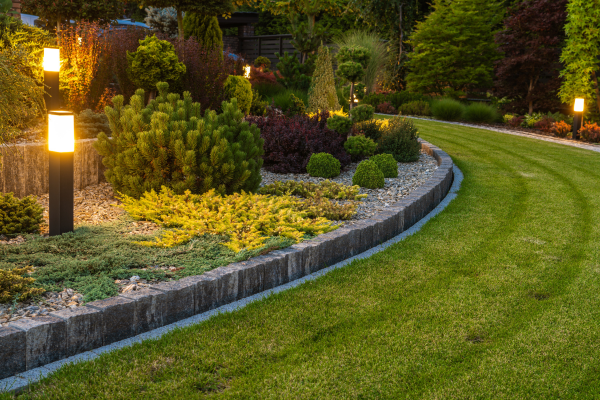
The shape of landscape beds has a major effect on curb appeal. Beds that are too narrow, uneven, or disconnected can make a yard feel unfinished. Beds that are properly shaped help frame the home and guide the eye through the property.
During the consultation, existing bed lines may be reviewed for:
- Proportion
- Flow
- Ease of maintenance
- Connection to walkways, patios, or entrances
- Room for plant growth
Sometimes improving bed shape can make a noticeable difference even before new plants are added.
Discussing Mulch, Edging, And Finishing Details
A landscape design is not only about plants. Finishing details such as mulch, edging, and clean bed lines contribute to the final appearance.
During a consultation, you may discuss:
- Whether existing mulch should be refreshed
- Whether bed edges need improvement
- Which mulch color fits the home
- How to create cleaner transitions between lawn and beds
These details help make a landscape look intentional and maintained.
Understanding Maintenance Preferences
A beautiful landscape should also match the homeowner’s maintenance expectations. Some landscapes require frequent trimming, watering, and seasonal attention. Others can be designed for a more manageable routine.
During the consultation, it is helpful to discuss how much maintenance you are comfortable with. This can guide plant selection, bed size, mulch use, and design style.
A landscape that looks good on installation day but does not match your maintenance goals may become difficult to manage over time.
Landscape Design Consultations
A landscape design consultation Ohio homeowners schedule is an opportunity to make informed decisions about their outdoor space. It helps identify what is working, what needs improvement, and what changes make sense for the property.
By reviewing site conditions, discussing goals, considering plants and layout, and planning for maintenance, a consultation creates a clear starting point for a better landscape. If you are ready to improve your yard this July, Doskoch Lawn Care & Landscaping’s Services can help you plan and maintain a landscape that fits your home and outdoor needs.
10 FAQs
1. What Is A Landscape Design Consultation?
A landscape design consultation is a professional review of your property that helps identify goals, evaluate site conditions, and create a plan for improving your outdoor space.
2. Why Is A Landscape Design Consultation Important?
A consultation helps homeowners avoid common mistakes by considering factors such as drainage, sun exposure, plant selection, maintenance needs, and overall landscape layout before work begins.
3. What Will Be Discussed During A Landscape Design Consultation?
Topics often include existing landscape conditions, lawn and garden bed layout, drainage concerns, sun and shade patterns, plant options, maintenance preferences, and outdoor living goals.
4. What Should I Prepare Before A Consultation?
It can be helpful to identify areas you want to improve, note any drainage or weed issues, think about your preferred style, and consider how you use your outdoor space.
5. How Does Sun And Shade Affect Landscape Design?
Sun exposure influences plant selection and placement. Plants should be matched to the amount of sunlight they receive to support healthy growth and long-term success.
6. Why Are Soil And Drainage Evaluated During A Consultation?
Soil and drainage conditions affect plant health and landscape performance. Issues such as standing water, erosion, or compacted soil may need to be addressed before planting.
7. Will Plant Selection Be Discussed During The Consultation?
Yes. Plant choices are typically discussed based on factors such as sunlight, soil conditions, available space, maintenance preferences, and seasonal interest.
8. Can A Landscape Design Consultation Help Improve Curb Appeal?
Yes. A consultation may identify opportunities to improve bed layout, plant placement, edging, mulch, and overall landscape organization to create a more attractive appearance.
9. Why Is July A Good Time For A Landscape Design Consultation?
July allows homeowners to see how their yard functions during active use, including areas that need shade, drainage improvements, bed updates, or better traffic flow.
10. What Happens After A Landscape Design Consultation?
After the consultation, recommendations can be organized into a plan that addresses the property’s needs, priorities, and long-term landscape goals.

Nic Doskoch is the owner of Doskoch Lawn Care & Landscaping Services LLC, founded in 2018 and based in Bay Village, Ohio. Serving Northeast Ohio, Nic and his team specialize in a full range of landscaping and property maintenance services, including lawn care, landscape design, hardscaping, mulching, sod installation, and snow plowing. Known for quality craftsmanship and exceptional customer service, Nic has built a trusted reputation by transforming outdoor spaces with attention to detail and a commitment to client satisfaction.