
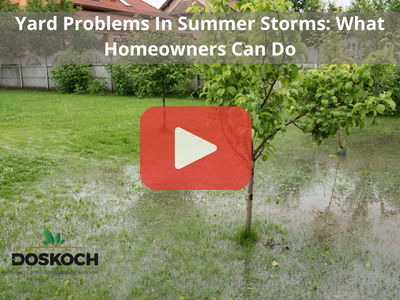
June marks the beginning of summer storm season in Northeast Ohio. As temperatures rise, thunderstorms become more frequent, often bringing heavy rain, strong winds, and sudden downpours. While these storms are a normal part of the season, they can cause a range of problems for residential properties, especially in yards, landscaping, and drainage.
Homeowners in areas like Cleveland, Westlake, and Bay Village often deal with clay-heavy soil, established landscapes, and older drainage systems. These conditions can make yards more vulnerable to water-related issues during storms.
Understanding what can go wrong and what you can do about it can help you protect your property and maintain a healthier landscape throughout the summer.
Why Summer Storms Cause Yard Problems
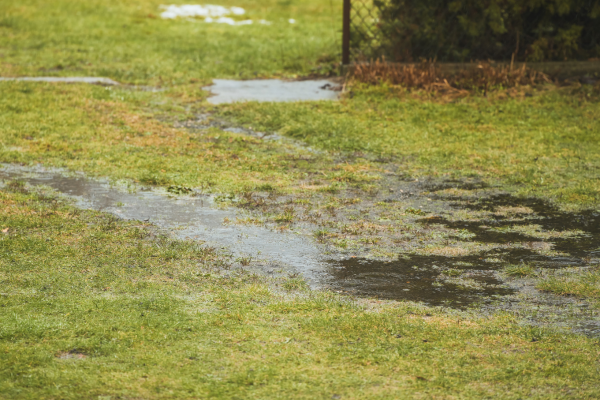
Summer storms in Northeast Ohio are often intense but short in duration. This means large amounts of rain can fall in a short period of time. When the ground cannot absorb water quickly enough, it leads to runoff, pooling, and potential damage.
Several factors contribute to yard problems during storms:
- Compacted soil that limits water absorption
- Poor grading that directs water toward the home
- Blocked or insufficient drainage systems
- Heavy clay soil that drains slowly
- Dense landscaping that traps moisture
These conditions can turn a heavy rainstorm into a noticeable problem for your yard.
Common Yard Problems During Summer Storms
Standing Water And Poor Drainage
One of the most common issues is standing water. After a storm, you may notice puddles forming in low areas of your yard. While small puddles may disappear within a few hours, persistent standing water can indicate a drainage problem.
Poor drainage can lead to:
- Soil saturation
- Stress on grass roots
- Increased risk of lawn disease
- Muddy or unusable yard areas
Soil Erosion
Heavy rainfall can wash away soil, especially on sloped areas or near downspouts. Erosion can expose plant roots, damage lawn areas, and create uneven ground.
Over time, erosion can also affect the stability of landscape beds and hardscape edges.
Washed-Out Mulch And Landscape Beds
Mulch is often displaced during strong storms, particularly if it is applied too thinly or on slopes. Water flow can carry mulch away from planting beds, leaving soil exposed and plants more vulnerable.
This can also result in debris collecting in unwanted areas of the yard.
Lawn Damage And Thinning Grass
Excess water can weaken grass, especially in areas where drainage is poor. Saturated soil reduces oxygen availability for roots, which can lead to thinning or stressed turf.
Repeated storm damage may make it harder for grass to recover during the summer months.
Downspout Overflow And Water Pooling
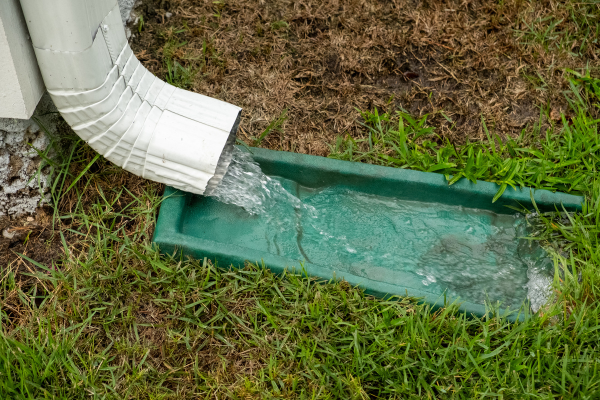
If gutters and downspouts are not functioning properly, water may overflow and collect near the foundation or in nearby yard areas. This can contribute to both drainage issues and soil erosion.
Even a properly functioning gutter system can struggle if water is not directed far enough away from the home.
Compacted Soil And Runoff
In many Northeast Ohio yards, clay soil becomes compacted over time. Compacted soil does not absorb water efficiently, causing rainwater to run off instead of soaking in.
This increases the likelihood of puddling and erosion.
What Homeowners Can Do To Reduce Yard Problems
Improve Drainage Where Needed
If certain areas of your yard consistently hold water, improving drainage should be a priority. While solutions vary depending on the property, some general approaches include:
- Identifying low spots where water collects
- Observing how water flows during a storm
- Ensuring water moves away from the home
Addressing drainage issues early can prevent ongoing problems throughout the summer.
Maintain Proper Grading
Grading refers to the slope of your yard. Ideally, water should flow away from your home’s foundation rather than toward it.
Over time, soil can settle or shift, changing how water moves across the property. Checking for areas where water collects near the house is important after heavy storms.
Keep Gutters And Downspouts Clear
Gutters and downspouts play a key role in directing water away from your home. During summer storms, even small blockages can cause overflow.
Make sure:
- Gutters are free of debris
- Downspouts are clear and functioning
- Water is directed away from the foundation
Proper maintenance helps reduce the amount of water entering your yard during storms.
Use Mulch Effectively
Mulch helps protect soil and reduce erosion, but it needs to be applied correctly.
For best results:
- Maintain a consistent layer of about 2–3 inches
- Avoid over-mulching, which can cause runoff
- Replenish mulch if it has been displaced by storms
Well-maintained mulch helps stabilize soil and protect plant roots.
Address Soil Compaction
Compacted soil is a common issue in Northeast Ohio and contributes to poor drainage.
While major soil improvements are often done in spring or fall, recognizing compacted areas in June allows you to plan for future aeration.
In the meantime:
- Avoid heavy foot traffic on saturated soil
- Monitor areas that frequently hold water
Improving soil structure over time helps reduce runoff and pooling.
Protect Landscape Beds
Planting beds can be vulnerable to storm damage, especially if they are located on slopes or near water flow paths.
To help protect beds:
- Ensure edges are well-defined
- Keep mulch evenly distributed
- Monitor for signs of erosion after storms
Consistent maintenance helps keep beds intact and functional.
Monitor Problem Areas After Storms
One of the best ways to understand your yard is to observe it during and after rainfall.
Pay attention to:
- Where water collects
- How quickly puddles drain
- Areas where soil is displaced
These observations can help you identify patterns and determine where improvements are needed.
Avoid Working On Saturated Soil
After a heavy storm, it may be tempting to fix issues immediately. However, working on wet soil can cause more harm than good.
Walking or using equipment on saturated soil can:
- Increase compaction
- Damage grass
- Disturb soil structure
It’s best to wait until the ground has had time to dry before making adjustments.
Long-Term Considerations For Storm Management
Plan For Seasonal Weather Patterns
Summer storms are not one-time events. Planning for repeated rainfall throughout the season helps create a more resilient yard.
This includes:
- Maintaining drainage systems
- Keeping soil healthy
- Monitoring areas prone to issues
Balance Hardscape And Green Space
Patios, walkways, and other hard surfaces can affect how water moves across your yard. While these features are important, they should be balanced with areas that allow water to absorb into the ground.
A well-designed yard considers both usability and water management.
Maintain Healthy Turf
A healthy lawn plays a role in managing stormwater. Dense grass helps absorb rainfall and reduce runoff.
To support lawn health:
- Mow at the proper height
- Water appropriately
- Address thinning areas when needed
Strong turf can better withstand periods of heavy rain.
Common Mistakes To Avoid
Homeowners sometimes unintentionally make storm-related problems worse. Avoid these common mistakes:
- Ignoring minor drainage issues until they become larger problems
- Allowing mulch to wash away without replacing it
- Letting gutters and downspouts become clogged
- Walking on or working with saturated soil
- Overlooking areas where water consistently collects
Addressing small issues early helps prevent more significant damage.
When To Consider Professional Help
Some yard problems require more than routine maintenance. If you notice persistent issues such as ongoing drainage problems, repeated erosion, or areas that never fully dry out, professional evaluation may be helpful.
A landscaping professional can assess your property and recommend solutions based on how water moves through your yard.
Yard Problems During Summer Storms
If you’re dealing with recurring yard problems after storms or want help improving your outdoor space, Doskoch Lawn Care & Landscaping Services can provide guidance and solutions tailored to Northeast Ohio conditions. Call 216-516-2668 today!
Frequently Asked Questions (FAQs)
1. Why Do Summer Storms Cause Yard Problems In Northeast Ohio?
Summer storms often bring heavy rain in a short period of time. When the ground cannot absorb water quickly enough, it leads to runoff, pooling, and potential damage to lawns and landscaping.
2. What Causes Standing Water In My Yard After A Storm?
Standing water is usually caused by poor drainage, compacted soil, low spots in the yard, or improper grading that prevents water from flowing away.
3. How Does Clay Soil Affect Drainage During Storms?
Clay-heavy soil drains slowly and compacts easily, which limits water absorption and increases the likelihood of runoff and puddling.
4. What Problems Can Soil Erosion Cause In My Yard?
Soil erosion can expose plant roots, damage lawn areas, create uneven ground, and affect the stability of landscape beds and hardscape edges.
5. Why Does Mulch Wash Away During Heavy Rain?
Mulch can be displaced when it is applied too thinly or placed on slopes where water flow is stronger. Heavy rainfall can carry it away from planting beds.
6. How Can I Tell If My Yard Has A Drainage Problem?
Signs include persistent standing water, slow-draining puddles, soil displacement, and areas that remain wet long after a storm.
7. What Role Do Gutters And Downspouts Play In Yard Drainage?
Gutters and downspouts direct water away from your home. If they are clogged or not functioning properly, water can overflow and pool near the foundation.
8. Why Should I Avoid Working On My Yard After Heavy Rain?
Working on saturated soil can increase compaction, damage grass, and disturb soil structure, making drainage issues worse.
9. How Can I Help Protect My Yard From Storm Damage?
You can improve drainage, maintain proper grading, keep gutters clear, use mulch correctly, and monitor problem areas after storms.
10. When Should I Consider Professional Help For Yard Issues?
If you experience ongoing drainage problems, repeated erosion, or areas that never fully dry out, it may be helpful to have a professional assess your property.

Nic Doskoch is the owner of Doskoch Lawn Care & Landscaping Services LLC, founded in 2018 and based in Avon, Ohio. Serving Northeast Ohio, Nic and his team specialize in a full range of landscaping and property maintenance services, including lawn care, landscape design, hardscaping, mulching, sod installation, and snow plowing. Known for quality craftsmanship and exceptional customer service, Nic has built a trusted reputation by transforming outdoor spaces with attention to detail and a commitment to client satisfaction.

