

A patchy lawn in May is one of the most common frustrations homeowners notice as spring turns into early summer. After months of cold weather, heavy moisture, and uneven recovery, the lawn that looked dormant in winter can suddenly reveal thin growth, weak sections, and bare spots in lawn areas that stand out more clearly once neighboring grass begins to green up.
What makes this frustrating is that a patchy lawn often feels like it appeared all at once. In reality, the issue usually starts much earlier. Winter conditions, soil stress, uneven moisture, and weak turf going into the colder months can all affect how the lawn responds when active growth returns.
The good news is that a patchy lawn in May does not always mean the entire lawn is in poor condition. In many cases, it means certain areas are recovering more slowly than others. Understanding what causes those weak spots — and what patchy lawn treatment should focus on first — helps homeowners take a more effective approach instead of guessing or waiting too long.
Why a Patchy Lawn Becomes More Noticeable in May
A patchy lawn is often easier to see in May because this is the point in the season when healthy grass begins growing more actively. Areas that are recovering well start filling in, while weaker sections remain thin, discolored, or bare. That contrast makes lawn problems much more obvious.
This is also the time of year when homeowners begin mowing more regularly, spending more time outside, and paying closer attention to the yard overall. What may have looked like normal winter dormancy in March can look uneven and unhealthy in May once the rest of the lawn begins to wake up.
In other words, May does not always create the problem. It often exposes a problem that developed earlier.
What Causes a Patchy Lawn After Winter
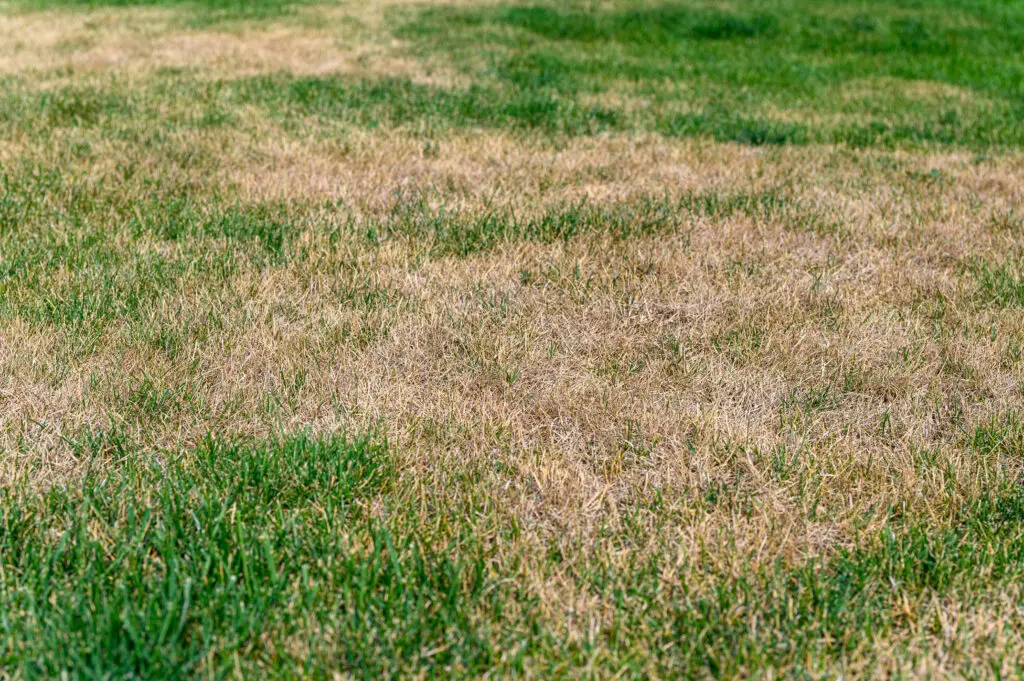
A patchy lawn usually has more than one contributing cause. Instead of looking for a single reason, it helps to think of lawn recovery as a combination of turf health, soil condition, moisture balance, and seasonal stress.
Common causes include:
- Soil compaction from winter moisture and foot traffic
- Uneven lawn density going into the colder season
- Excess moisture that weakens certain areas
- Thin turf that leaves soil more exposed
- Areas that receive heavier wear than the rest of the yard
When these conditions affect parts of the lawn differently, spring recovery becomes uneven. Some sections green up and thicken quickly, while others lag behind.
Why Bare Spots in Lawn Areas Develop
Bare spots in lawn sections are usually the most noticeable part of a patchy lawn. These areas can appear where grass did not survive winter well, where soil is too compacted to support recovery, or where the lawn was already weak before colder weather arrived.
Bare spots in lawn areas tend to form where turf has a harder time competing. This may happen in high-traffic sections, places with poor drainage, or spots where the grass cover was never dense enough to begin with. Once grass thins out completely, those areas become more vulnerable to slower recovery and further stress.
What matters most is not just seeing the spot, but understanding why it stayed bare while nearby grass improved. That is what helps guide the right patchy lawn treatment instead of treating every weak area the same way.
How Soil Conditions Affect Lawn Recovery
Soil condition plays a major role in whether a lawn recovers evenly. Grass may be present across the yard, but if soil conditions differ from one section to another, growth will not be consistent.
Compacted soil can make recovery harder because it limits:
- Airflow around roots
- Water movement through the ground
- Root expansion
- Access to nutrients already present in the soil
When the soil is dense or poorly balanced, grass often struggles to thicken even if the surface looks like it should recover. This is one reason a patchy lawn can remain uneven even after several weeks of warmer weather.
If one area holds too much moisture and another dries out too quickly, the difference in soil condition can show up as visible inconsistency in color, density, and growth speed.
Why May Is the Right Time to Address the Problem
May is an important time for patchy lawn treatment because the lawn is active enough to respond, but the season is still early enough to correct weak areas before they become more noticeable.
By this point, homeowners can usually identify:
- Where the lawn is recovering normally
- Where bare spots in lawn areas are not improving
- Which sections are growing unevenly
- Where soil or moisture conditions may be affecting turf performance
Acting in May helps prevent a small problem from turning into a more visible and frustrating one later in the season. Waiting too long often means weak sections remain exposed while stronger grass continues to grow around them, making patchiness stand out even more.
Patchy Lawn Treatment: What to Focus on First
Patchy lawn treatment works best when it focuses on the underlying condition of the lawn instead of only the appearance of the surface. The goal is not just to make the yard look better quickly, but to help it recover more evenly.
A strong starting point includes:
- Identifying thin, weak, or bare sections
- Checking whether the soil is compacted
- Removing debris or dead material that blocks new growth
- Improving conditions that support healthier turf
This approach matters because surface-level improvement alone does not solve the cause of a patchy lawn. If bare spots in lawn areas are left untreated below the surface, they often continue to struggle even if the rest of the yard looks greener.
How to Fix Bare Spots in Lawn Areas
Bare spots in lawn sections should be addressed as early as possible once it becomes clear they are not filling in on their own. These areas need an environment that supports new growth and stronger establishment.
Basic improvement steps include:
- Clearing out dead grass and loose debris
- Loosening the top layer of compacted soil
- Making sure moisture reaches the area consistently
- Supporting better contact between seed and soil where needed
What makes this process effective is consistency. Bare spots in lawn areas do not improve just because warmer weather arrives. They improve when the conditions around them allow turf to establish more evenly.
How Mowing and Watering Habits Affect a Patchy Lawn
Lawn care habits in spring can either support recovery or make patchiness more obvious. Small routine issues often become more visible in May when the lawn is trying to grow actively.
For example, cutting grass too short can weaken otherwise healthy sections and expose soil, making uneven areas more noticeable. Inconsistent watering can also slow down recovery in already-stressed parts of the yard.
To support patchy lawn treatment:
- Avoid removing too much grass height at once
- Maintain steady watering rather than irregular soaking
- Reduce repeated stress on weak areas
- Watch for sections that respond differently than the rest of the lawn
The key is to help the lawn recover as evenly as possible rather than pushing rapid top growth that may not reflect stronger root development underneath.
Common Mistakes That Make Patchy Lawns Worse
Homeowners often try to fix a patchy lawn by responding only to what is visible. That usually leads to short-term adjustments without addressing why the lawn became uneven in the first place.
Common mistakes include:
- Ignoring bare spots in lawn areas until summer
- Focusing only on greener color instead of turf density
- Overcutting grass to make the lawn look even
- Overlooking compacted soil
- Treating all weak sections as if they have the same cause
A better approach is to view the lawn as a system. Some sections may need soil improvement, others may need recovery time, and others may need more direct patchy lawn treatment to support new growth.
Quick Checklist for a Patchy Lawn in May
Use this checklist to guide your next steps:
- Identify all thin, weak, and bare areas
- Check whether the soil feels compacted
- Remove debris and dead material from problem spots
- Avoid mowing too short during active spring growth
- Maintain consistent watering across the lawn
- Monitor whether weak areas are improving over time
Why Early Action Helps Fix a Patchy Lawn Faster
A patchy lawn is easier to improve when weak areas are addressed early. Once late spring turns into hotter summer conditions, stressed sections may have a harder time recovering and can become even more noticeable.
Early patchy lawn treatment helps by:
- Supporting more even spring growth
- Improving weak sections before stress increases
- Reducing the contrast between healthy and unhealthy turf
- Helping bare spots in lawn areas recover under better conditions
Fast improvement does not mean rushing. It means acting at the right time, while the lawn still has a better chance to respond.
When Professional Help May Be Useful
Some lawns recover with basic seasonal care, while others continue showing patchy growth because conditions vary across the property. Professional assistance may be useful when the same weak areas return year after year or when the cause is difficult to identify.
This may be helpful when:
- Bare spots in lawn areas continue to reappear
- Soil conditions are inconsistent across the yard
- Larger sections remain thin despite regular care
- A patchy lawn affects multiple areas with different causes
A more detailed evaluation can help determine whether the problem is related to compaction, turf density, seasonal stress, or a combination of factors.
Restoring a Patchy Lawn in May
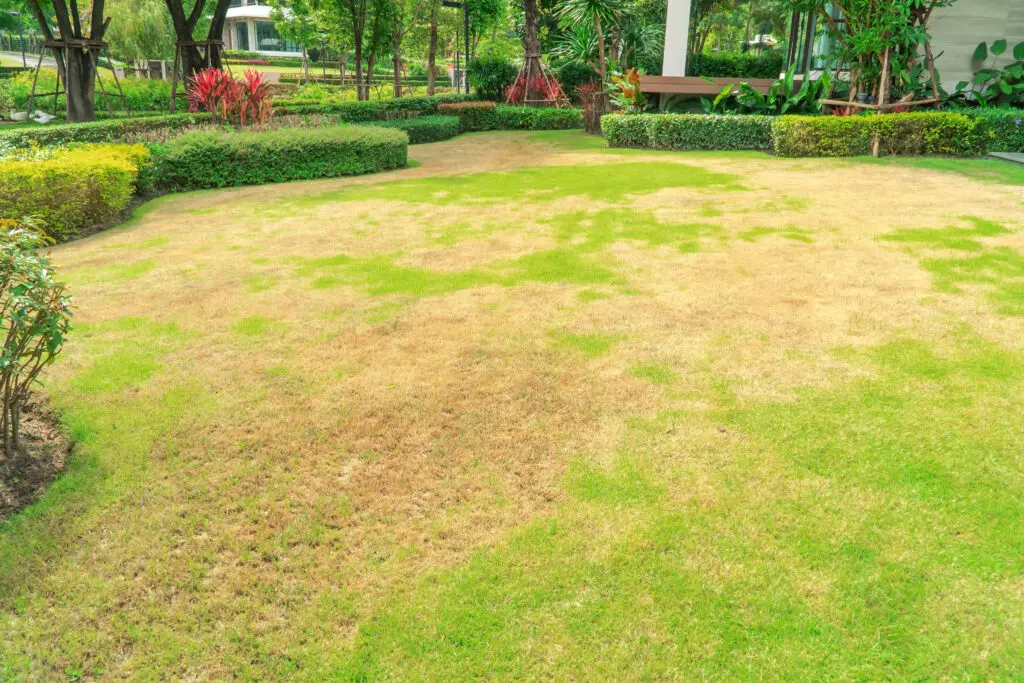
A patchy lawn in May usually reflects how the yard came through winter and how well different sections are responding to spring conditions. That is why the best patchy lawn treatment focuses on both surface appearance and the conditions underneath.
When homeowners address bare spots in lawn areas early, improve soil conditions, and support more consistent lawn care, recovery tends to become more balanced over time. The lawn may not improve all at once, but it can become healthier, fuller, and more even as the season progresses.
Professional Lawn Care and Patchy Lawn Treatment Support
A patchy lawn often needs more than a quick visual fix. Doskoch Lawn Care & Landscaping Services provides landscaping solutions designed to support lawn health, improve turf consistency, and address issues like bare spots in lawn areas and uneven spring recovery.
If your yard is showing signs of a patchy lawn or you need help with patchy lawn treatment, working with an experienced team can help you take the right steps based on your lawn’s current condition.
Call us today at 440-482-9699 or visit our website to schedule an appointment and learn more about available services.
FAQs About Patchy Lawns
1. Why does my lawn look patchy in May?
A patchy lawn in May is often the result of uneven spring recovery after winter. Soil compaction, moisture imbalance, thin turf, and seasonal stress can all cause some areas to grow more slowly than others, making patchiness more noticeable once the rest of the lawn begins to green up.
2. What causes bare spots in lawn areas?
Bare spots in lawn areas can develop where grass was already weak, where soil is compacted, or where moisture conditions made it difficult for turf to recover. These sections often become more visible in spring when neighboring grass begins growing more actively.
3. Can a patchy lawn recover on its own?
Some areas may improve naturally as growth continues, but a patchy lawn often benefits from early attention. If weak sections remain thin or bare while the rest of the yard improves, patchy lawn treatment may be needed to support more even recovery.
4. What should patchy lawn treatment focus on first?
Patchy lawn treatment should begin by identifying the cause of the weak areas. Soil condition, moisture balance, lawn density, and surface debris can all affect recovery. Improving those conditions usually matters more than focusing only on appearance.
5. Why do some parts of the lawn grow faster than others?
Different sections of the yard may recover at different speeds because of variations in soil condition, drainage, sunlight, and traffic. That uneven response is one of the main reasons a patchy lawn becomes more obvious in May.
6. How do I fix bare spots in lawn sections?
Bare spots in lawn areas are usually improved by clearing debris, loosening compacted soil, maintaining consistent moisture, and supporting conditions that help new grass establish more evenly.
7. Can mowing habits make a patchy lawn worse?
Yes, mowing too short can make a patchy lawn more noticeable and place extra stress on weak areas. Maintaining a consistent mowing routine helps support stronger recovery during active spring growth.
8. Does soil condition affect patchy lawn treatment?
Yes, soil condition plays a major role in patchy lawn treatment. Compacted or uneven soil can limit airflow, water movement, and root growth, which makes it harder for turf to recover evenly.
9. When should I address bare spots in lawn areas?
Bare spots in lawn areas should be addressed as soon as it becomes clear they are not improving with regular spring growth. Early action helps support better recovery before hotter seasonal conditions add more stress.
10. When should I hire a professional for a patchy lawn?
Professional help may be useful if a patchy lawn affects multiple areas, if bare spots in lawn sections continue returning, or if the cause of uneven growth is difficult to identify.

Nic Doskoch is the owner of Doskoch Lawn Care & Landscaping Services LLC, founded in 2018 and based in Bay Village, Ohio. Serving Northeast Ohio, Nic and his team specialize in a full range of landscaping and property maintenance services, including lawn care, landscape design, hardscaping, mulching, sod installation, and snow plowing. Known for quality craftsmanship and exceptional customer service, Nic has built a trusted reputation by transforming outdoor spaces with attention to detail and a commitment to client satisfaction.

