

Crabgrass is one of the most common lawn challenges for homeowners in Ohio, especially as temperatures begin to rise in spring and summer. Once it appears, it can spread quickly and compete with healthy grass for space, sunlight, and nutrients.
Understanding when crabgrass starts growing — and how to approach crabgrass prevention early — helps you stay ahead of the problem instead of reacting to it later in the season.
Why Crabgrass Appears in Ohio Lawns
Crabgrass doesn’t just appear randomly. It tends to grow in areas where the lawn is already under stress or where there is space for it to take hold.
In Ohio, conditions that support crabgrass growth often include:
- Thin or patchy grass that leaves soil exposed
- Compacted soil that limits healthy root growth
- Inconsistent watering or drainage issues
- Seasonal stress from heat, cold, or foot traffic
When healthy grass struggles, crabgrass has more opportunity to establish itself. This is why improving overall lawn conditions is a key part of crabgrass control.
When Crabgrass Starts Growing
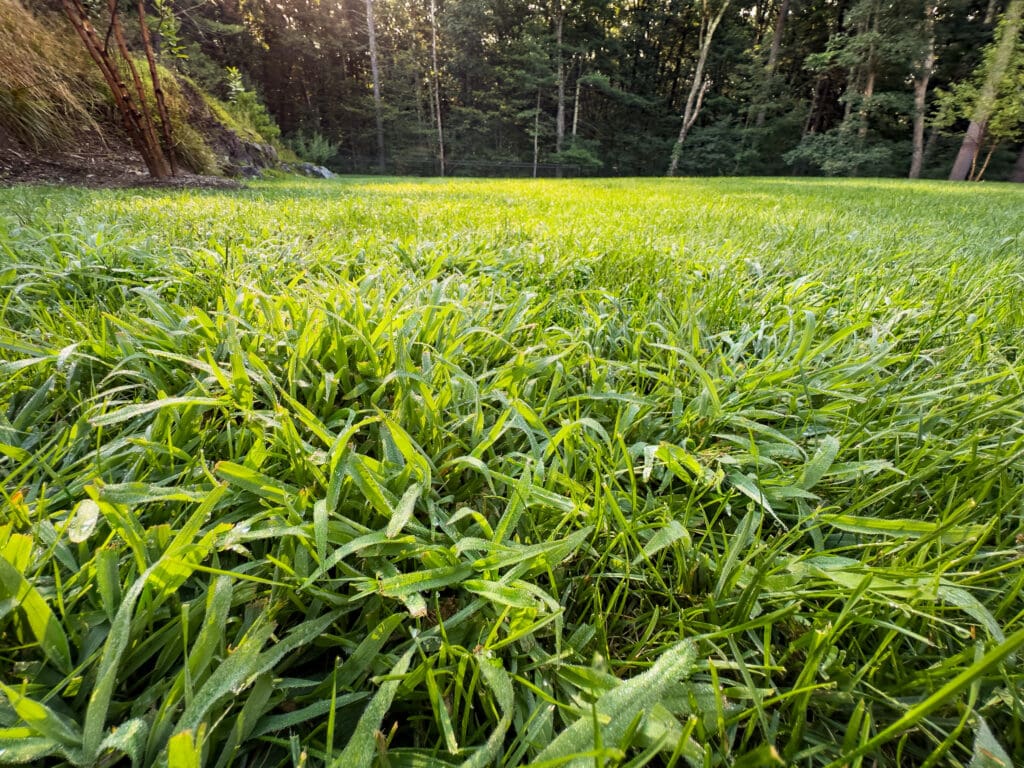
Crabgrass in Ohio typically begins to develop in the spring as soil temperatures rise. This usually happens before many homeowners notice visible changes in their lawn.
By the time crabgrass becomes easy to see, it has often already started to spread. That’s why timing is so important. Early crabgrass prevention focuses on preparing the lawn before growth begins, rather than waiting to react after it appears.
Crabgrass seeds remain dormant in the soil until conditions become favorable. Once temperatures increase and moisture is present, those seeds begin to germinate. This process can happen quickly, especially in areas where the lawn is already thin or exposed. Because this growth starts below the surface, it often goes unnoticed at first. Taking action early in the season helps reduce the likelihood of widespread growth later on.
Why Early Crabgrass Prevention Matters
Crabgrass prevention is most effective before seeds begin to germinate. Once crabgrass is established, it becomes much more difficult to manage.
Early prevention helps:
- Reduce the number of areas where crabgrass can grow
- Support stronger grass development
- Limit competition for nutrients and moisture
A lawn that is thick and healthy in early spring is naturally more resistant to weed growth later in the season.
Crabgrass Treatment for Active Growth
If crabgrass has already appeared, crabgrass treatment focuses on managing existing growth and improving the surrounding lawn conditions.
At this stage, the goal is not just removal, but also:
- Preventing further spread
- Strengthening nearby grass
- Reducing open areas where new growth can occur
Crabgrass treatment is most effective when combined with consistent lawn care practices that support long-term improvement.
Once crabgrass becomes visible, it often grows faster than surrounding grass, which allows it to spread into nearby areas. This is why simply removing visible patches may not be enough. Supporting the overall health of your lawn helps reduce the chances of it returning.
Focusing on the surrounding turf is just as important as addressing the crabgrass itself. Strengthening grass in nearby areas helps create a more balanced lawn where weeds are less likely to spread.
How to Stop Crabgrass from Spreading
Understanding how to stop crabgrass requires looking at the lawn as a whole. Crabgrass spreads most easily in areas where the turf is weak or inconsistent.
To improve crabgrass control:
- Maintain consistent mowing practices without cutting too short
- Address bare or thin areas as soon as they appear
- Support even watering and soil conditions
- Monitor lawn changes throughout the season
Small adjustments in routine care can make a noticeable difference over time.
Crabgrass tends to spread outward from existing patches, especially in areas where there is space for it to grow. Preventing that spread involves reducing those open areas and maintaining consistent conditions across the lawn.
Even small sections of weak turf can become starting points for crabgrass growth. Addressing these areas early helps limit how far it can spread over time.
Common Challenges with Crabgrass Control
Crabgrass control can be difficult when timing or lawn care practices are inconsistent. Many homeowners unintentionally create conditions that allow crabgrass to grow.
Common challenges include:
- Starting crabgrass prevention after growth has already begun
- Allowing grass to become thin or uneven
- Inconsistent mowing or watering
- Focusing only on removing crabgrass instead of improving lawn health
Addressing the root cause of the issue is often more effective than focusing only on visible growth.
Quick Checklist for Managing Crabgrass
- Begin crabgrass prevention early in the season
- Maintain a consistent lawn care routine
- Keep grass at a proper height
- Improve thin or damaged areas
- Monitor your lawn regularly for early signs
Why Lawn Health Plays a Key Role
A healthy lawn is one of the most effective ways to support crabgrass control. When grass is dense and well-maintained, it naturally competes with weeds for sunlight, water, and nutrients.
Over time, consistent lawn care helps:
- Reduce open areas where crabgrass can grow
- Improve overall soil conditions
- Support stronger root systems
This creates a more balanced environment where unwanted growth becomes less likely.
Lawn health is not just about appearance. Strong turf creates a natural barrier that makes it more difficult for crabgrass to establish itself. When grass grows evenly and consistently, it limits the amount of sunlight that reaches the soil, which reduces the opportunity for weed seeds to germinate.
Maintaining that balance throughout the season helps improve long-term results and reduces recurring issues year after year.
When Professional Help May Be Needed
For larger lawns or recurring crabgrass issues, professional assistance may help support effective crabgrass treatment and long-term lawn care.
This can be especially useful when:
- Crabgrass returns each season
- Lawn conditions vary across different areas
- Consistent maintenance is difficult to manage
Managing Crabgrass in Ohio Throughout the Season
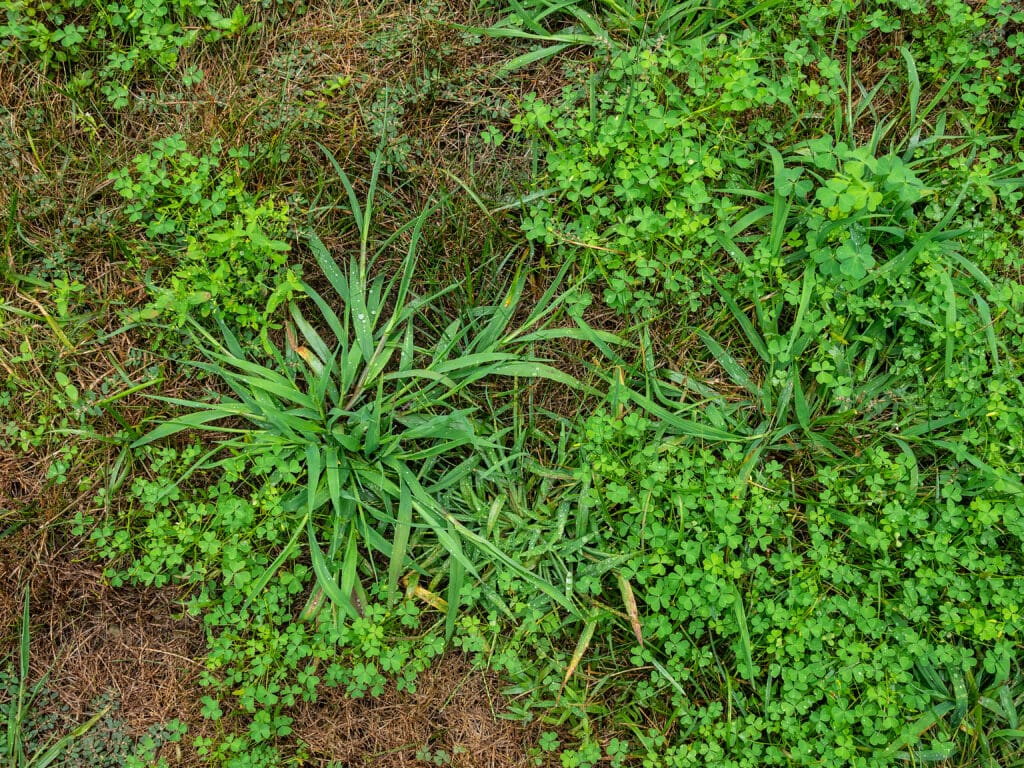
Crabgrass in Ohio is often tied to seasonal conditions and overall lawn health. Understanding when it starts and how to approach crabgrass prevention, treatment, and control helps you take a more proactive approach.
With proper timing and consistent care, it becomes easier to manage growth and maintain a healthier, more balanced lawn throughout the year.
Professional Lawn Care and Crabgrass Control Support
Managing crabgrass in Ohio requires proper timing, consistent lawn care, and attention to overall turf health. Doskoch Lawn Care & Landscaping Services provides landscaping solutions designed to support healthier lawns, improve growing conditions, and help manage issues like crabgrass throughout the season.
If you’re dealing with recurring crabgrass or want to improve your lawn’s condition, working with an experienced team can help ensure the right steps are taken at the right time.
Call us today at 216-516-2668 or visit our website to schedule an appointment and learn more about available services.
FAQs About Crabgrass in Ohio
1. When does crabgrass start growing in Ohio?
Crabgrass in Ohio typically begins to grow in the spring as soil temperatures start to rise. This often happens before visible changes appear in the lawn, which is why early monitoring is important. By the time crabgrass is noticeable, it may already be spreading.
2. What is the best way to approach crabgrass prevention?
Crabgrass prevention focuses on preparing the lawn before growth begins. Maintaining a thick, healthy lawn, improving soil conditions, and following consistent care practices help reduce the chances of crabgrass developing. Prevention is generally more effective than treating it later.
3. Can crabgrass be treated after it appears?
Yes, crabgrass treatment can help manage existing growth, but it becomes more challenging once it is established. Treatment at this stage focuses on controlling spread and improving surrounding lawn conditions to prevent further growth.
4. How do I stop crabgrass from spreading?
Understanding how to stop crabgrass involves maintaining a dense lawn and addressing weak areas quickly. Consistent mowing, proper watering, and monitoring changes in your lawn help reduce the conditions that allow crabgrass to spread.
5. Why does crabgrass grow in certain areas of my lawn?
Crabgrass tends to grow in areas where the lawn is thin, compacted, or stressed. These conditions create space and allow more sunlight to reach the soil, making it easier for crabgrass to establish itself.
6. Can mowing height affect crabgrass growth?
Yes, mowing height plays an important role. Cutting grass too short can weaken the lawn and expose soil, which creates conditions where crabgrass can grow more easily. Keeping grass at an appropriate height helps shade the soil and limit weed growth.
7. Is crabgrass a seasonal problem?
Crabgrass is typically a seasonal issue that appears during warmer months. However, it can return each year if lawn conditions continue to allow it to grow. Ongoing lawn care is important for long-term crabgrass control.
8. Can lawn health help reduce crabgrass?
Yes, a healthy lawn is one of the most effective ways to reduce crabgrass. Dense, well-maintained grass competes with weeds for sunlight, water, and nutrients, making it harder for crabgrass to spread.
9. What are common mistakes in crabgrass control?
Common mistakes include starting crabgrass prevention too late, inconsistent lawn care, and focusing only on removing visible growth instead of improving overall lawn health. A balanced approach leads to better results over time.
10. When should I hire a professional for crabgrass control?
Professional help may be useful if crabgrass continues to return each season, if lawn conditions vary across your property, or if maintaining consistent lawn care becomes difficult. Guidance can help ensure the right approach is used at the right time.
<script type=”application/ld+json”>
{
“@context”: “https://schema.org”,
“@type”: “FAQPage”,
“mainEntity”: [
{
“@type”: “Question”,
“name”: “When does crabgrass start growing in Ohio?”,
“acceptedAnswer”: {
“@type”: “Answer”,
“text”: “Crabgrass in Ohio typically begins to grow in the spring as soil temperatures start to rise. This often happens before visible changes appear in the lawn, which is why early monitoring is important. By the time crabgrass is noticeable, it may already be spreading.”
}
},
{
“@type”: “Question”,
“name”: “What is the best way to approach crabgrass prevention?”,
“acceptedAnswer”: {
“@type”: “Answer”,
“text”: “Crabgrass prevention focuses on preparing the lawn before growth begins. Maintaining a thick, healthy lawn, improving soil conditions, and following consistent care practices help reduce the chances of crabgrass developing. Prevention is generally more effective than treating it later.”
}
},
{
“@type”: “Question”,
“name”: “Can crabgrass be treated after it appears?”,
“acceptedAnswer”: {
“@type”: “Answer”,
“text”: “Yes, crabgrass treatment can help manage existing growth, but it becomes more challenging once it is established. Treatment at this stage focuses on controlling spread and improving surrounding lawn conditions to prevent further growth.”
}
},
{
“@type”: “Question”,
“name”: “How do I stop crabgrass from spreading?”,
“acceptedAnswer”: {
“@type”: “Answer”,
“text”: “Understanding how to stop crabgrass involves maintaining a dense lawn and addressing weak areas quickly. Consistent mowing, proper watering, and monitoring changes in your lawn help reduce the conditions that allow crabgrass to spread.”
}
},
{
“@type”: “Question”,
“name”: “Why does crabgrass grow in certain areas of my lawn?”,
“acceptedAnswer”: {
“@type”: “Answer”,
“text”: “Crabgrass tends to grow in areas where the lawn is thin, compacted, or stressed. These conditions create space and allow more sunlight to reach the soil, making it easier for crabgrass to establish itself.”
}
},
{
“@type”: “Question”,
“name”: “Can mowing height affect crabgrass growth?”,
“acceptedAnswer”: {
“@type”: “Answer”,
“text”: “Yes, mowing height plays an important role. Cutting grass too short can weaken the lawn and expose soil, which creates conditions where crabgrass can grow more easily. Keeping grass at an appropriate height helps shade the soil and limit weed growth.”
}
},
{
“@type”: “Question”,
“name”: “Is crabgrass a seasonal problem?”,
“acceptedAnswer”: {
“@type”: “Answer”,
“text”: “Crabgrass is typically a seasonal issue that appears during warmer months. However, it can return each year if lawn conditions continue to allow it to grow. Ongoing lawn care is important for long-term crabgrass control.”
}
},
{
“@type”: “Question”,
“name”: “Can lawn health help reduce crabgrass?”,
“acceptedAnswer”: {
“@type”: “Answer”,
“text”: “Yes, a healthy lawn is one of the most effective ways to reduce crabgrass. Dense, well-maintained grass competes with weeds for sunlight, water, and nutrients, making it harder for crabgrass to spread.”
}
},
{
“@type”: “Question”,
“name”: “What are common mistakes in crabgrass control?”,
“acceptedAnswer”: {
“@type”: “Answer”,
“text”: “Common mistakes include starting crabgrass prevention too late, inconsistent lawn care, and focusing only on removing visible growth instead of improving overall lawn health. A balanced approach leads to better results over time.”
}
},
{
“@type”: “Question”,
“name”: “When should I hire a professional for crabgrass control?”,
“acceptedAnswer”: {
“@type”: “Answer”,
“text”: “Professional help may be useful if crabgrass continues to return each season, if lawn conditions vary across your property, or if maintaining consistent lawn care becomes difficult. Guidance can help ensure the right approach is used at the right time.”
}
}
]
}
</script>

Nic Doskoch is the owner of Doskoch Lawn Care & Landscaping Services LLC, founded in 2018 and based in Avon, Ohio. Serving Northeast Ohio, Nic and his team specialize in a full range of landscaping and property maintenance services, including lawn care, landscape design, hardscaping, mulching, sod installation, and snow plowing. Known for quality craftsmanship and exceptional customer service, Nic has built a trusted reputation by transforming outdoor spaces with attention to detail and a commitment to client satisfaction.

